Asian Games in Japan: Athletes Complain About Container Housing, Korean Delegation Protests Strongly
Baca dalam 60 detik
- Delegasi Korea Selatan mengecam kondisi hunian kontainer di Asian Games Jepang, menyebutnya sebagai yang terburuk dalam sejarah partisipasi mereka.
- Keluhan meliputi kasur yang tidak muat untuk atlet bertubuh tinggi, kebocoran pipa, dan banjir akibat hujan rekor, sementara jumlah peserta membengkak menjadi 17.000 orang.
- Penyelenggara berjanji memperbaiki fasilitas, tetapi kekhawatiran tentang kesiapan tuan rumah menjelang pembukaan resmi pada Sabtu masih membayangi.
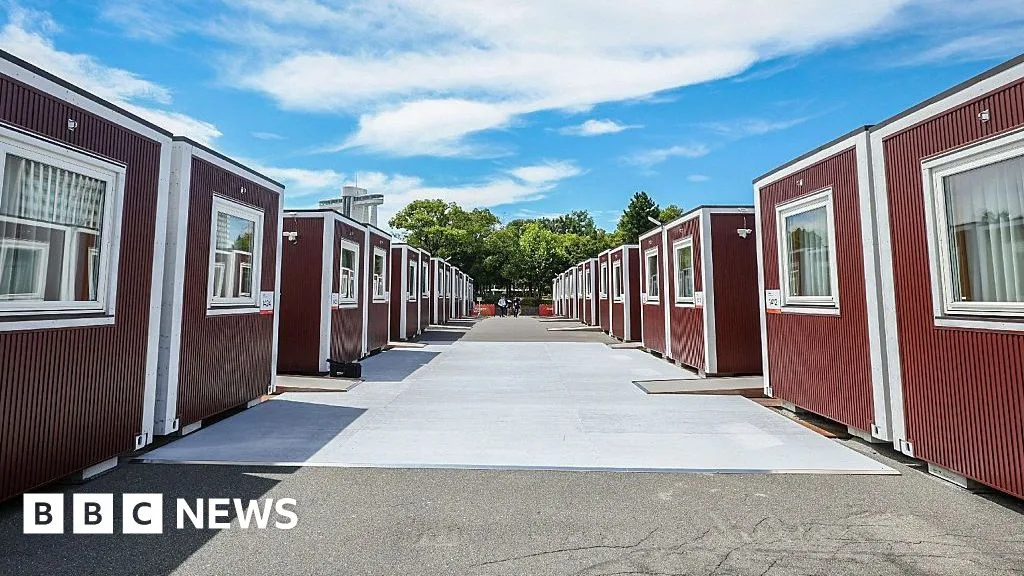
Just days before the opening ceremony of the Asian Games in Nagoya, Japan, a strong protest has come from the South Korean contingent over athlete accommodation conditions described as deeply inadequate. Athletes complain they must rest in cramped wooden container housing, with mattresses that are disproportionate to their bodies.
Vice President of the Korea Basketball Association, Jung Jae-yong, told AFP that the facilities were the "worst ever." He highlighted the inadequacy of the beds, which athletes taller than two meters cannot even use to stretch their legs. "This makes no sense," he said.
The complaints do not stop at mattress size. A member of the Korean basketball team posted a video showing leaking pipes and a flooded floor in his room, along with a brief caption, "Please help me." The incident was compounded by a brief evacuation last week when heavy rain hit Nagoya and caused flooding in several areas, including competition venues.
This accommodation problem is not merely a logistical inconvenience. The organizers' decision to use containers as temporary housing—rather than building a permanent athletes' village as at the Olympics—reflects budget and time pressures. Aichi Prefecture Governor Hideaki Omura previously acknowledged that his administration had budgeted only for 15,000 people and lacked the resources to handle the surge in participants. "There is no place for them. If they still want to come, they must arrange it themselves," he said.
Nevertheless, the organizing committee and the Olympic Council of Asia said last month that all athletes and officials registered before the July deadline had been provided with proper accommodation. "Final preparations are proceeding as planned and will make this the most spectacular Asian Games in generations," their official statement read. However, this claim clashes with the reality on the ground revealed by the athletes.
"Athletes taller than two meters cannot even straighten their legs in the beds. This makes no sense." — Jung Jae-yong, Vice President of the Korea Basketball Association
Other participating countries have also begun taking anticipatory steps. India, for instance, built replica containers to familiarize its athletes with similar conditions. President of the Philippine Olympic Committee, Abraham Tolentino, revealed that although his athletes received beds, some officials and coaches were forced to stay in separate hotels and Airbnb accommodations.
Accommodation manager Yuta Matsuo told Reuters that his team was "very aware of the dissatisfaction and concerns raised by the athlete delegations" and was "taking concrete steps to improve the environment for the athletes." The statement indicates that organizers are trying to defuse criticism, but the improvements may not come fast enough given that the official opening is only days away.
For Indonesia, this Asian Games in Japan is an important mirror. As a country that once hosted the 2018 Asian Games, Indonesia has experience in managing athletes' complexes and transportation. Japan's failure to provide adequate accommodation—even on grounds of cost efficiency—is a lesson that sports infrastructure planning cannot be half-hearted. If an event this large can be disrupted by basic problems such as beds, what does that mean for the trust of sponsors and global audiences?
Going forward, attention will focus on whether the organizers can fix the container housing in a short time, or instead face a further wave of protests from other delegations. The big question: will this Asian Games be remembered for athletes' achievements, or for an accommodation controversy that should have been avoidable?