Houthi Drone Intercepted Before Entering Mecca: A Red Line That Rattles Global Energy Markets
Baca dalam 60 detik
- Koalisi pimpinan Arab Saudi menembak jatuh drone yang diduga diluncurkan Houthi sebelum mencapai wilayah udara terlarang Mekkah.
- Serangan ini memperpanjang daftar gangguan di Laut Merah dan Bab al-Mandab, mengancam rute ekspor minyak serta pendapatan Terusan Suez.
- Bagi Indonesia, eskalasi ini berpotensi menekan biaya logistik, harga minyak, dan stabilitas portofolio investasi jangka pendek.
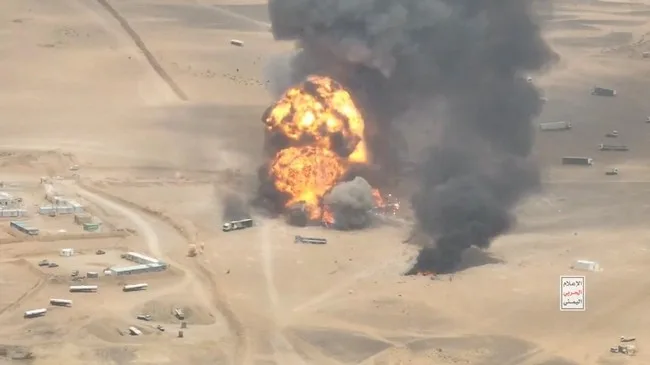
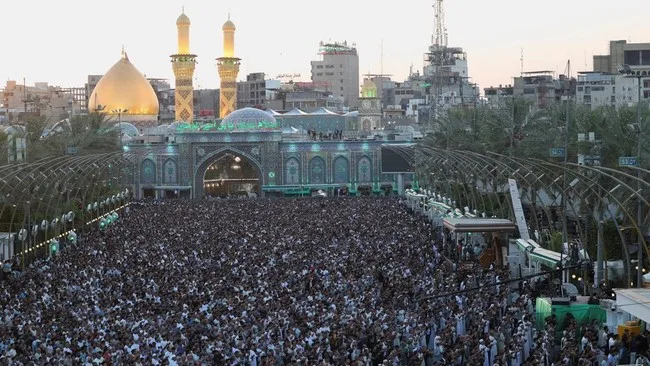
Saudi Arabia deployed its air defenses to foil an attempted drone attack toward Mecca on Wednesday (16/9/2026). The Riyadh-led military coalition stated that the unmanned aircraft was launched by the Houthi group and was destroyed before entering the no-fly zone around the holy city.
Coalition spokesperson Turki al-Maliki stressed that the incident could not be taken lightly. According to him, the safety of the two holy mosques and the worshippers is a non-negotiable line. He also warned that the joint forces command would take the necessary preventive measures if the escalation continues.
The attack was not an isolated event. A day earlier, Riyadh had issued a warning about potential attacks on Mecca and the kingdom's southern region bordering Yemen. The warning came after a wave of ballistic missiles and drones from Yemen injured 13 people in Saudi Arabia. This was the first warning in Mecca since the US-Iran conflict erupted last February.
The Organisation of Islamic Cooperation (OIC), a bloc of 57 countries, responded with strong condemnation. In its official statement, the OIC called the act a heinous aggression against Mecca, Medina, and Saudi Arabia as a whole. However, a Houthi official, Hazem al-Assad, denied the claim and called it an old lie that no longer works.
Behind that war of narratives, the dynamics on the ground are becoming more complex. The Houthis are reported to have expanded control over Yemen's Red Sea coast and the Bab al-Mandab Strait. This area is a vital artery for Saudi oil exports, especially when alternative routes such as the Strait of Hormuz are also disrupted by broader tensions in the Middle East.
The impact does not stop in Saudi Arabia. Egypt, which relies on the Suez Canal as a main source of foreign exchange, now faces heavy pressure. Revenue from the canal is only about half of normal conditions before the Houthis launched attacks on ships in the Red Sea in 2023. The campaign was claimed as solidarity with Palestine, but its economic effects have spilled over worldwide.
"The claim about targeting Mecca is an outdated lie that has been used before and can no longer deceive anyone," wrote Hazem al-Assad of the Houthi political bureau.
Qatar, which has so far acted as a mediator, warned that closing Bab al-Mandab would be a global disaster. The statement reflects concern that the Yemen conflict could disrupt international trade flows, including energy supplies to Asia.
Indonesian Context
For Indonesia, the escalation in the Red Sea and Bab al-Mandab is not merely distant news. As an oil and gas importer, Indonesia is vulnerable to energy price spikes if shipping routes are disrupted. Shipping logistics costs could also rise, which in turn could drive inflation and weigh on people's purchasing power.
In addition, capital market investors need to watch the impact on the energy and transportation sectors. Geopolitical tensions usually trigger volatility in commodity prices, which can affect the performance of related issuers. The Indonesian government may need to strengthen energy source diversification and accelerate the transition to renewable energy to reduce vulnerability to external shocks.
On the other hand, Indonesia has a diplomatic interest in pushing for de-escalation. As the country with the largest Muslim population, Indonesia can play a role in urging peaceful dialogue, especially through the OIC forum. Middle East stability is a prerequisite for inclusive global economic growth.
Going forward, the question is not only whether the next drone will be intercepted, but how far the Houthis will expand their targets. If Bab al-Mandab is truly closed, the world must prepare for a wave of energy price increases and deeper supply chain disruptions. Will the international community be able to calm this conflict before the tap of global trade is choked off?