Prabowo Pitches Jakarta as a Garden City, Indonesia Asri Movement Awaited
Baca dalam 60 detik
- Presiden Prabowo Subianto menginstruksikan Jakarta menjadi kota hijau dengan taman vertikal pada gedung-gedung besar.
- Gerakan Indonesia Asri akan diluncurkan dalam satu-dua pekan melalui rapat gubernur, bupati, dan DPRD seluruh Indonesia.
- Kebijakan ini berpotensi mengubah tata ruang perkotaan dan mendorong investasi hijau di sektor properti serta infrastruktur.
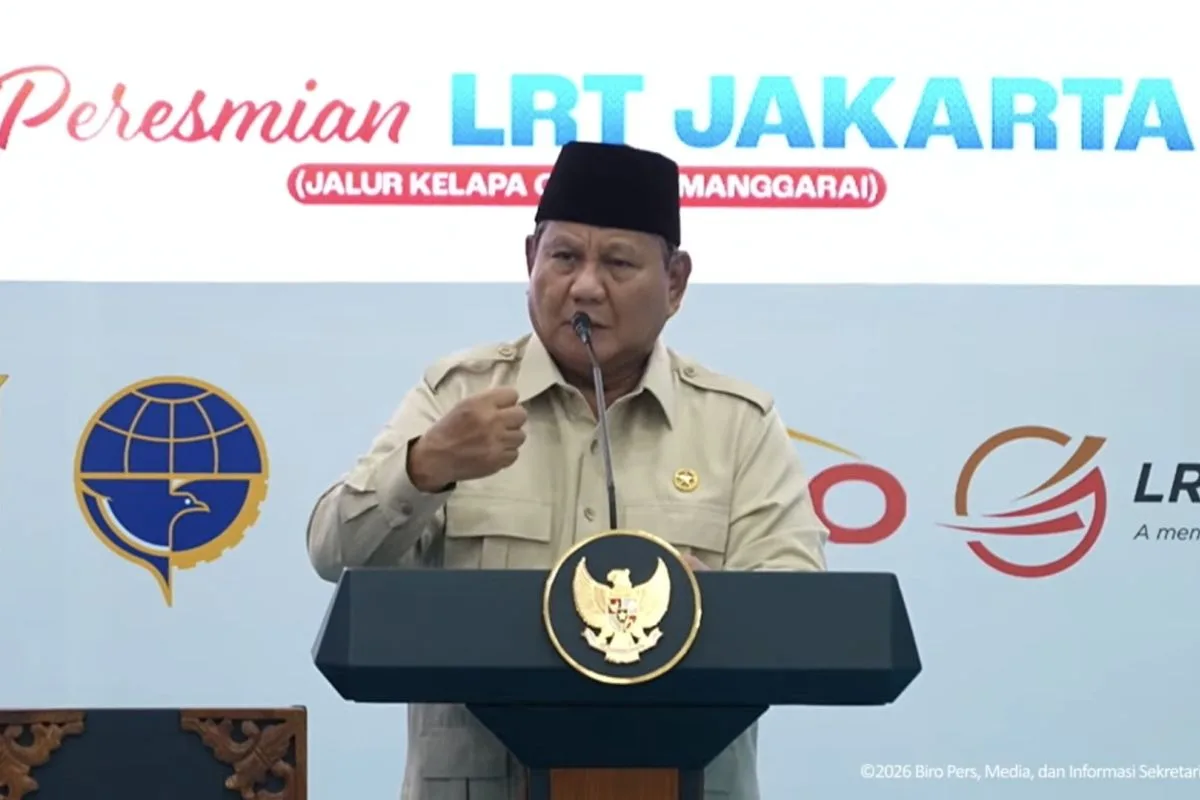
President Prabowo Subianto has designated Jakarta as a pilot for a national environmental transformation by turning it into a green city filled with parks, alongside a push to apply vertical gardens on large buildings. The instruction was delivered during the inauguration of the Jakarta LRT Kelapa Gading–Manggarai route at Manggarai LRT Station on Wednesday, marking a new direction in urban planning policy that emphasizes green open space.
The idea is part of a plan to launch the "Indonesia Asri" movement — an acronym for Aman, Sehat, Resik, dan Indah (Safe, Healthy, Clean, and Beautiful) — which will be inaugurated within one to two weeks. Prabowo plans to gather all governors, regents, and regional legislatures (DPRD) from across the country to start the movement simultaneously. "I will hold a meeting of governors and regents from all over Indonesia with DPRD members from all over Indonesia to launch the Indonesia Asri movement," he said.
According to Prabowo, environmental development must not stop at the national capital. He targets all provincial and regency capitals to follow Jakarta's lead in providing green space, clearing waste, and managing rivers and canals with technology. "The capital is DKI, but later all provincial capitals, all regency capitals must be changed. Indonesia must transform. Eliminate waste, clean the canals with technology and so on," the President said.
Prabowo also expressed support for the DKI Jakarta Provincial Government's plan to expand public spaces, including parks and running tracks. DKI Jakarta Governor Pramono Anung previously reported that a number of water reservoirs in Jakarta had been cleaned and outlined plans to build running tracks and parks. The president's support reinforces the signal that green infrastructure budgets will be a priority in the near term.
"All large buildings should have vertical gardens if possible," Prabowo said, adding that local governments can step in if building owners face difficulties in implementing greening.
For property and construction market players, this policy opens up opportunities as well as challenges. Regulations requiring vertical gardens on large buildings could raise construction costs, but also create a new market niche for landscape service providers, irrigation technology, and environmentally friendly materials. Astute investors can begin mapping the sectors that will be affected, from area developers to waste and water management companies.
On the other hand, the effectiveness of the Indonesia Asri movement depends heavily on regional fiscal capacity and on-the-ground execution commitment. So far, greening programs in many cities have often been hampered by budget constraints, inter-agency coordination, and weak enforcement of spatial planning rules. Without clear incentives and firm sanctions, the vertical garden appeal could end up as nothing more than a moral call.
The key question going forward: will this movement be accompanied by a concrete regulatory framework and fiscal incentives, or will it be merely a symbolic campaign? The public and the business world await technical details at the major meeting promised in the next two weeks. If successful, Jakarta could become a model tropical green city worth replicating; if not, this transformation momentum risks evaporating amid the daily political noise.