Pukat UGM Urges KPK to Question 4 Nusron Associates: Trace Orders and Money Flows to ATR Minister
Baca dalam 60 detik
- Pukat UGM meminta KPK segera memeriksa empat orang kepercayaan Menteri ATR/BPN Nusron Wahid yang telah ditetapkan tersangka dalam kasus dugaan suap pengurusan HGB Summarecon.
- Penyidik dinilai perlu menelusuri komunikasi, persetujuan, hingga dugaan aliran dana ke pejabat utama melalui pendekatan tindak pidana pencucian uang.
- Kasus ini menjadi ujian integritas sektor pertanahan dan berpotensi memengaruhi iklim investasi properti di Indonesia.
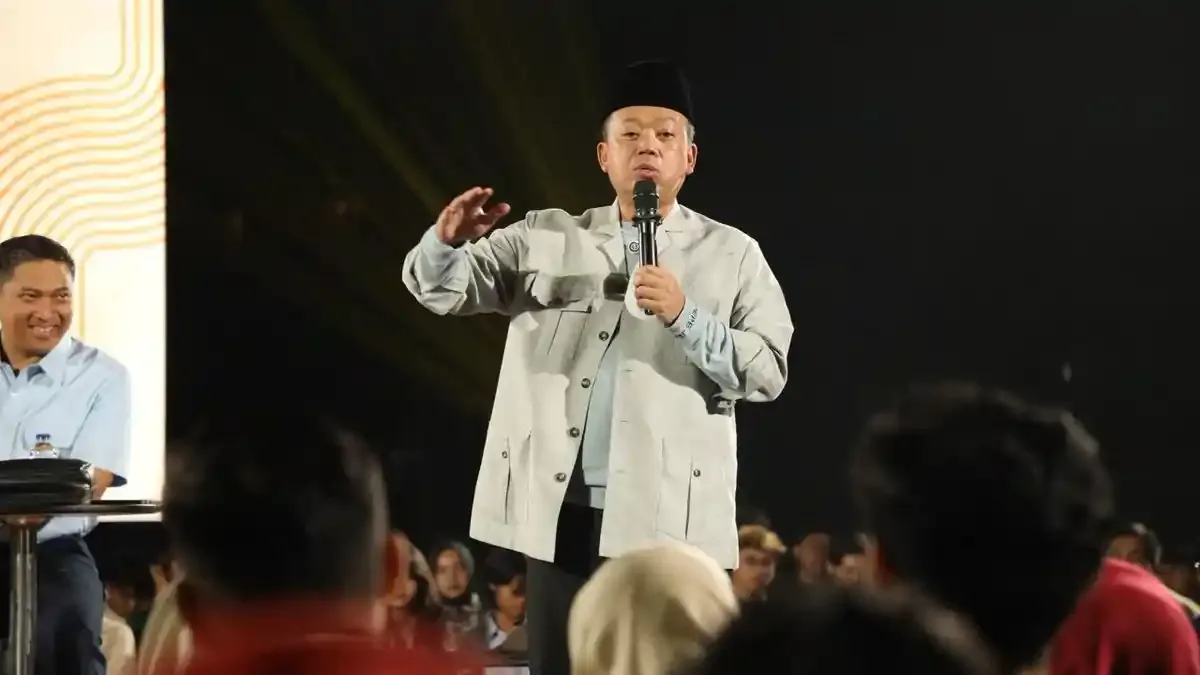
The Center for Anti-Corruption Studies at Universitas Gadjah Mada (Pukat UGM) is urging the Corruption Eradication Commission (KPK) to immediately question four trusted associates of Agrarian and Spatial Planning Minister/Head of the National Land Agency (ATR/BPN) Nusron Wahid who have been named suspects in an alleged bribery case involving the processing of Building Use Rights (HGB) in Bogor Regency, West Java. The call comes after a KPK sting operation (OTT) uncovered the alleged involvement of several parties in bribery and gratification practices within the ministry.
The four Nusron associates in question are Arif Sugiyanto, Erwin, Fahd El Fouz alias Fahd A Rafiq, and Muhammad Fakhry. They are said to have played central roles in collecting and pooling bribe money from various private parties in need of land services. In the operation, the KPK not only secured the suspects but also seized electronic evidence and a suitcase containing cash worth Rp106.3 billion.
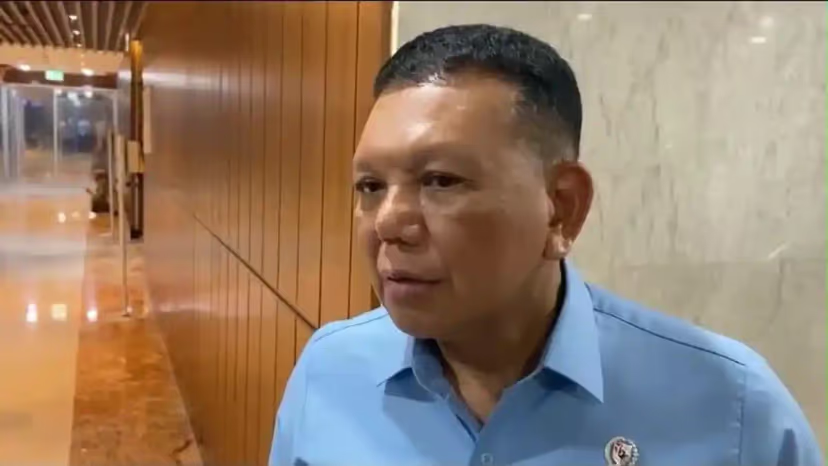
Pukat UGM researcher Zaenur Rohman considers questioning the minister's close associates a crucial step to uncover the possible involvement of top officials. According to him, the minister's authority is decisive in the land permitting process, so the KPK must trace whether there was knowledge, approval, or even an order from Nusron Wahid. "These are people caught through the minister's close associates; the minister's authority is the most decisive. So the KPK must look at the possible involvement of the ATR/BPN Minister," Zaenur said, as quoted from the Kompas TV YouTube channel, Wednesday (16/9/2026).
Zaenur outlined several methods investigators could use. First, examining the suspects' communications through their devices to see whether there was interaction with the minister. Second, conducting cross-examinations of the suspects to determine whether there was knowledge, approval, or instruction from superiors. Third, tracing money flows that may have reached the minister, both for the current case and previous incidents. "Follow the money, examine the money flows. Whether these parties handed over sums of money through intermediaries aimed at influencing the minister's decision, that is the most important thing," he stressed.
"Corruption cases are rarely uncovered the first time they occur; they are usually actions that have been carried out repeatedly. So it is very important to examine these parties and their connection to the top official who holds the authority, namely the minister." — Zaenur Rohman, Pukat UGM Researcher
The money laundering (TPPU) approach is considered relevant to dismantling hidden money flows. Zaenur stressed that examinations using this method could reveal who enjoyed the proceeds of the bribes, including possible officials outside the circle of suspects. The KPK itself has stated that the possibility of summoning Nusron depends on the dynamics of the investigation into the alleged bribery case involving the HGB processing of PT Summarecon Agung Tbk.
For readers in Indonesia, especially property market players and investors, this case highlights governance risks in the land sector, which has long been one of the main obstacles to the investment climate. The slow and non-transparent HGB permitting process often opens loopholes for rent-seeking practices. If the KPK succeeds in proving the involvement of high-ranking officials, the impact could be wide-ranging: from corrections in the share prices of related property issuers to changes in how businesses handle permits. Conversely, a thorough resolution of this case could strengthen public and investor confidence in the commitment to fighting corruption in a strategic sector.
This case is also a test for the KPK in maintaining independence and professionalism amid political pressure. The public will watch whether investigators dare to trace the minister's role or stop at lower-level suspects. Transparency in the legal process and accountability for investigation results will determine the extent to which this case contributes to improving national land governance. The question is, will the KPK break through the boundaries of the power circle or once again get trapped in a pattern of half-hearted law enforcement?