Culture Ministry Expands Taman Mini Indonesia in Poland, Targets European Youth Festival Next Year
Baca dalam 60 detik
- Kementerian Kebudayaan menyetujui penambahan kompleks rumah adat dari provinsi lain di Bali Indah Cultural Park, Slupsk, Polandia.
- Langkah ini menandai pergeseran diplomasi budaya RI dari sekadar pameran menjadi investasi jangka panjang di pasar Eropa Tengah.
- Tahun depan, Konsul Kehormatan RI di Gdansk berencana menggelar festival besar yang menyasar generasi muda Eropa dan Skandinavia.
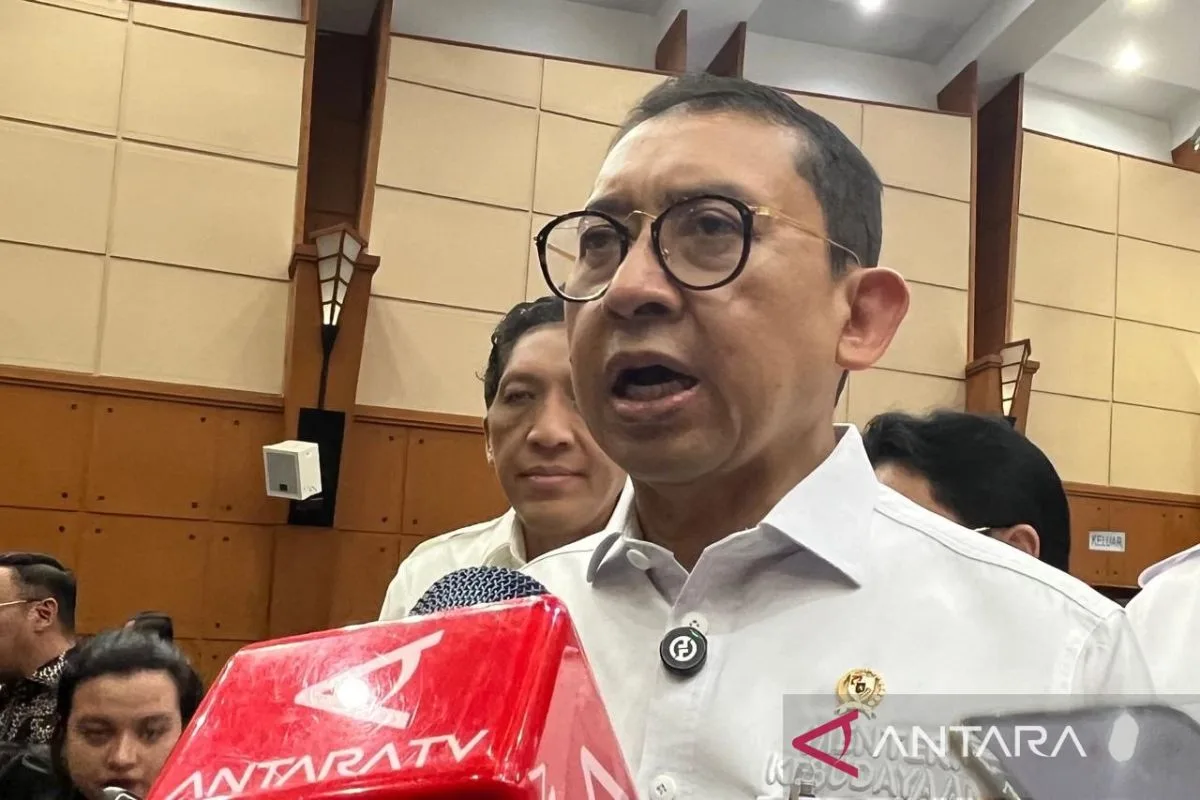
The Ministry of Culture is expanding Bali Indah Cultural Park—known as Taman Mini Indonesia—in Slupsk, Poland, by adding a complex of traditional houses from several provinces. The agreement emerged in a meeting between Minister of Culture Fadli Zon and Indonesia's Honorary Consul for Gdansk, Mirosław Wawrowski, in Jakarta on Wednesday.
For Indonesia, the move is not merely about adding buildings. The government is targeting a physical presence of Nusantara culture in Central Europe as a sustainable promotional channel, not just a seasonal exhibition. Fadli described Wawrowski's initiative as a breakthrough rarely undertaken by foreign officials. "We greatly appreciate his courage in preserving and promoting Indonesian culture. The Polish people have welcomed it," he said.
In the meeting, Fadli also pushed for the park's expansion to be accompanied by short film screenings and cultural festival activities. He stressed the importance of building the new complex under the guidance of Indonesian cultural experts so that architectural authenticity and traditional values remain intact. "We want to ensure every detail accurately represents the richness of Nusantara," he added.
Wawrowski, who has long collaborated with various stakeholders in Poland, revealed an ambitious plan for next year. "We will create a large festival attended by young people from Europe and Scandinavia," he said. The festival is expected to become a new magnet for young European tourists to get to know Indonesia more closely, while strengthening Indonesia's position on the international stage.
"We are very impressed by Mr. Wawrowski's courage in preserving and promoting Indonesian culture. This initiative will surely be well received by the Polish people." — Fadli Zon, Minister of Culture
For readers in Indonesia, the park's expansion opens broader economic and diplomatic opportunities. First, the tourism sector and creative industry can seize this momentum to introduce cultural products—from crafts to cuisine—to the growing Central European market. Second, the park's presence in Poland could serve as an entry point for Polish investors looking to explore the tourism and culture sectors in Indonesia. Third, the success of this cultural diplomacy can serve as a model for Indonesian representatives in other countries to develop similar cultural infrastructure.
However, challenges remain. The park's expansion requires funding and cross-agency coordination, including the Ministry of Foreign Affairs and the Ministry of Tourism. In addition, the sustainability of next year's festival program depends on the active participation of the Indonesian diaspora and local partners in Poland. Without adequate logistical support and promotion, its momentum could fade after the inaugural event.
Looking ahead, the question is: will the expansion of Taman Mini Indonesia in Poland become a catalyst for a more systematic export of Indonesian culture to Europe, or will it be merely a symbolic project that draws crowds at first and then loses interest? The answer will be seen in how seriously the government oversees the European youth festival plan next year and how far collaboration with the private sector is realized.