Serda Ahmad Dies After Abuse by Seniors; TNI AU Promises Legal Process Up to Dismissal
Baca dalam 60 detik
- Serda Ahmad Muzammil Farisa meninggal setelah diduga dianiaya empat senior di Lanud Halim Perdanakusuma; penyidik menjerat para tersangka dengan pasal berlapis.
- Empat tersangka terancam dipecat dari dinas militer karena ancaman hukuman penjara lebih dari enam bulan, sementara dua korban lain selamat dan telah kembali bertugas.
- Kasus ini membuka pertanyaan tentang efektivitas pembinaan dan pengawasan internal TNI AU, serta mendesak transparansi proses hukum militer.
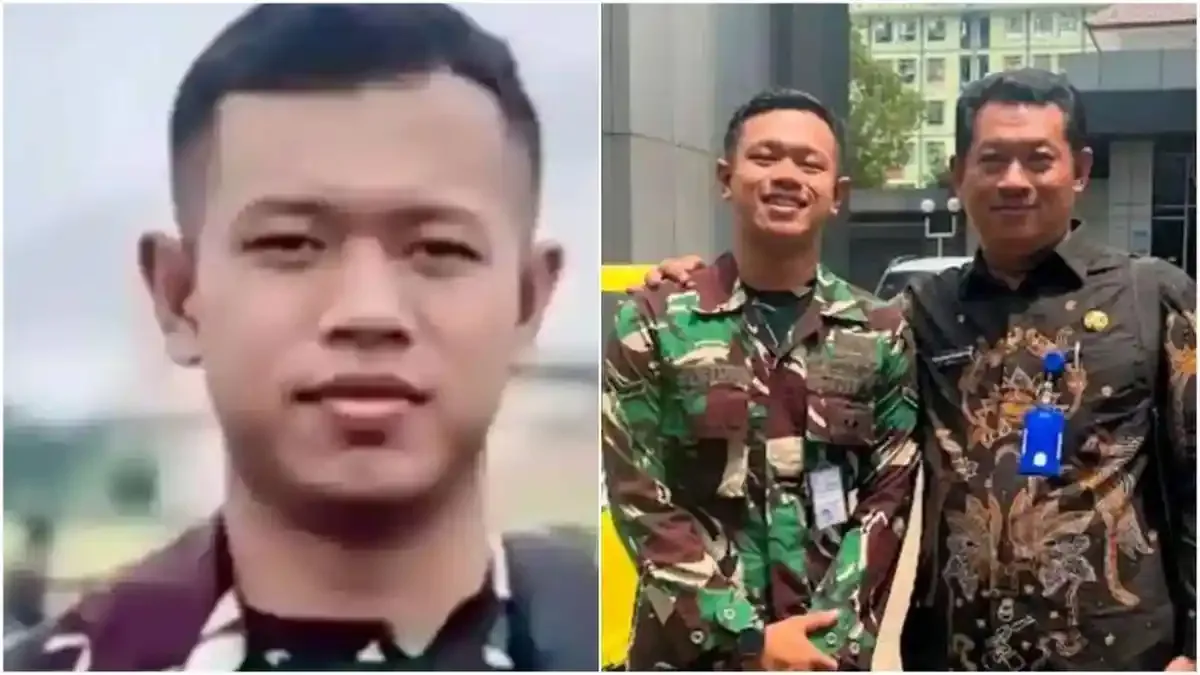
An Indonesian Air Force (TNI AU) soldier, Serda Ahmad Muzammil Farisa, has died after allegedly being abused by four of his seniors at Halim Perdanakusuma Air Base, Jakarta. The incident, which occurred on Tuesday (8/9/2026), not only claimed the life of a young soldier from Magetan, East Java, but also dragged the TNI AU institution into the center of public scrutiny.
The four soldiers named as suspects are Serda Jordan Martua (JM), Serda Muh Aldhi D (MAD), Serda Andri Hiskia (AH), and Serda Mayzard Try Surya (MTS). They have been charged under several articles, including abuse resulting in loss of life. According to the Commander of the Indonesian Air Force Military Police Center (Danpuspomau), Air Vice Marshal Daan Sulfi, the suspects face prison sentences of more than six months, opening the way for dismissal from military service.
The chronology revealed at a press conference on Wednesday (16/9/2026) stated that the incident began with a phone call between Serda Mayzard and Serda RP. Mayzard asked RP for help to add his name to the TNI AU flight manifest. However, RP hung up unilaterally. "The expectation may have been that the senior would end the call politely or something. He took offense there," Daan Sulfi said, as quoted by Kompas.com.
The next day, Mayzard gathered the three victims behind Mess Galaksi. RP and ZN were punished with 100 push-ups and 100 sit-ups each, and were beaten. At around 9:40 p.m. WIB, the three other suspects arrived and joined in. Jordan then reprimanded Ahmad, who was the most senior soldier among the victims. Shortly afterward, Ahmad was found lifeless.
In addition to Ahmad, two other soldiers, Serda RP and Serda ZN, were also victims of abuse. Neither died, and both have now returned to duty. This fact raises suspicions that violence against juniors is not an isolated incident but part of a distorted pattern of military mentoring.
"We will process this legally in a transparent and accountable manner. There is no place for violence within the TNI AU," Daan Sulfi asserted.
The threat of dismissal for the four suspects is regulated under military disciplinary rules. A soldier involved in a criminal offense carrying a prison sentence of more than six months can be dishonorably discharged. However, military legal proceedings are often seen as closed and slow, so the public is waiting to see whether this case will become a precedent for firm law enforcement.
For readers in Indonesia, especially investors and professionals, this case highlights the importance of governance and internal oversight in state institutions. When violence in military training is exposed, trust in the rule of law and the professionalism of the TNI AU can be shaken. The impact is not only on the institution's image but also on the socio-political stability that forms the foundation of the investment climate.
The government and the House of Representatives (DPR) are being urged to push for reform of the military's mentoring system. Strengthening complaint mechanisms, external oversight, and human rights education for soldiers is imperative. Without that, similar cases could recur, damaging troop morale and tarnishing the face of the nation's defense.
Going forward, the public will closely watch the next steps by the TNI AU Military Police Center (Puspom AU) and TNI AU Headquarters (Mabes TNI AU). Will the four suspects actually be dismissed? What will happen to the two surviving victims? And just as important, will any officers be held responsible for weak oversight? The answers to these questions will determine the direction of law enforcement and internal reform in the TNI AU.