PPPK Salaries Move to 2027 State Budget: Rp23 Trillion Agreed, Regions Gain New Fiscal Space
Baca dalam 60 detik
- Banggar DPR dan pemerintah menetapkan pagu Rp23 triliun dalam RAPBN 2027 untuk menanggung honor PPPK yang sebelumnya dibebankan ke APBD.
- Perubahan ini menjawab ketidakpastian kontrak PPPK sekaligus memberi kelegaan fiskal bagi kabupaten/kota yang selama ini kesulitan menutup belanja pegawai.
- Pemerintah pusat masih perlu merancang mekanisme transfer dan verifikasi data sebelum skema baru berlaku penuh, sementara daerah dituntut menyiapkan penyesuaian anggaran.
The salary burden for Pegawai Pemerintah dengan Perjanjian Kerja (PPPK), or government employees under work agreements, officially shifts from regional coffers to the Anggaran Pendapatan dan Belanja Negara (APBN), the state budget, starting in 2027. The House Budget Committee (Banggar) and the government agreed on a ceiling of Rp23 trillion for that spending line, a decision that ends a long period of uncertainty for hundreds of thousands of contract-status educators and health workers in the regions.
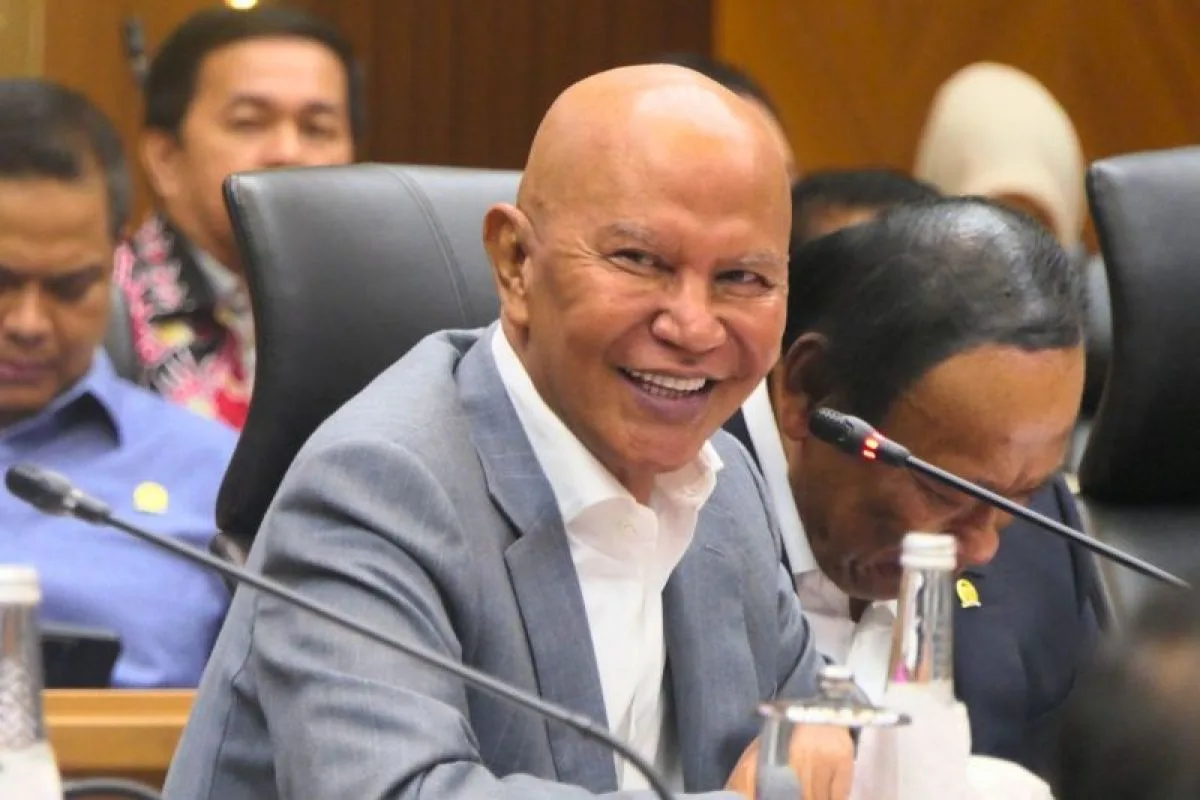
The agreement was announced by Banggar Chair Said Abdullah in Jakarta on Wednesday. According to him, the majority of PPPK honorarium payments have so far been borne by regional budgets (APBD), with the largest share going to teachers and educators in regencies and cities. Starting in 2027, that responsibility will be taken over by the central government through the APBN. "Banggar DPR and the government have agreed that the salaries or honorariums of P3K will be borne by the center through the APBN," he said in a written statement.
This step is not merely a shift in budget lines. It touches a structural issue: many regions, especially those with low fiscal capacity, have often been late in paying PPPK honorariums because their APBD is eroded by personnel spending. With the shift to the APBN, regions gain fiscal space to finance infrastructure, basic services, and other development programs that have been delayed. Said assessed that the policy also addresses PPPK concerns about the continuation of their work contracts.
For PPPK, this certainty is crucial. Many of them have worked under contract status that depends on regional financial capacity. When the pandemic pressured locally generated revenue, several regional governments delayed honorarium payments, and some even considered layoffs. The Rp23 trillion agreement signals that the state is present as a guarantor, not merely as a mandate-giver.
"We ask all P3K to keep working and keep developing themselves so that the quality of education in the regions improves," said Said Abdullah, Chair of the House Budget Committee.
However, some observers argue that the policy's implementation will not automatically be smooth. The central government needs to design an accurate transfer mechanism, including verification of PPPK data across Indonesia. An integrated database is a prerequisite so that fund disbursement does not overlap with existing transfers to regions, such as the General Allocation Fund (DAU). The Ministry of Home Affairs had previously drafted a proposal to use the DAU to pay PPPK salaries, but the final scheme is still awaiting further decisions.
From a fiscal standpoint, this shift adds to the APBN burden. The government needs to ensure fiscal space remains healthy amid fluctuating revenue targets. Previously, Finance Minister Purbaya Yudhi Sadewa prepared Rp31.1 trillion for the transfer of regional PPPK status to the center, a figure larger than the Rp23 trillion ceiling because it covers other components beyond routine honorariums. This difference in figures shows there is still room for negotiation and adjustment in upcoming budget discussions.
For investors and market players, the most important signal is the direction of fiscal consolidation. Shifting the burden to the center can reduce default risk at the regional level, which has been one source of uncertainty in regional bonds and government-business partnerships. On the other hand, the increase in central spending needs to be balanced by optimizing revenue so that the APBN deficit remains under control. The market will watch how the government balances personnel spending needs with other development priorities.
Going forward, the big question is no longer about the numbers, but about execution. Can the government build a transparent and timely disbursement system? How will regions respond to the new fiscal space that has opened up? And just as important, will the quality of public services, especially education, improve along with better PPPK welfare? The answers to those questions will determine whether this policy becomes a structural breakthrough or merely a shift of administrative burden.