Nur Arifin's Transfer at the Religious Affairs Ministry: Yaqut's 'Rescue' That Ended in the Witness Chair
Baca dalam 60 detik
- Nur Arifin menyebut pemindahannya ke UIN Bandung sebagai upaya Yaqut Cholil Qoumas menghindarkannya dari pemeriksaan KPK.
- Kasus ini mencuat dari sidang dugaan korupsi kuota haji tambahan 2023-2024 di Pengadilan Tipikor Jakarta.
- Skandal kuota haji kembali menyorot tata kelola Kemenag dan potensi kerugian jemaah khusus.
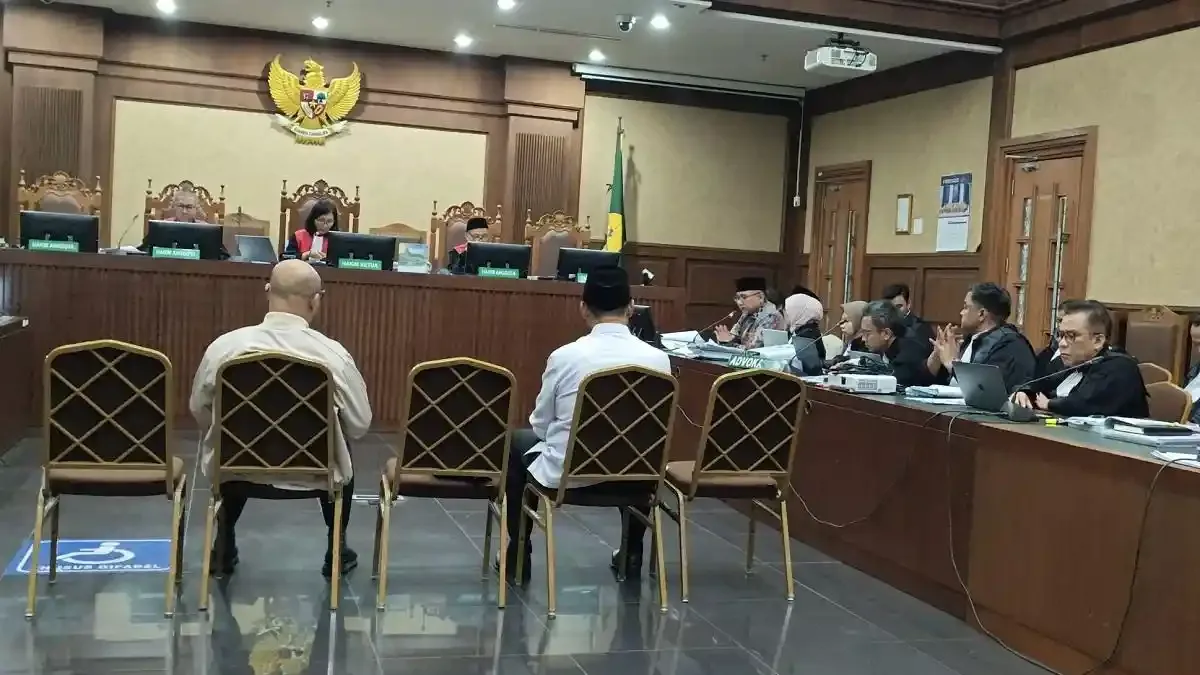
Former Director of Umrah and Special Hajj at the Ministry of Religious Affairs, Nur Arifin, revealed that his transfer to become Head of the Bureau at UIN Sunan Gunung Djati Bandung was no ordinary rotation. At the trial into alleged corruption in the additional hajj quota at the Jakarta Corruption Court on Tuesday (15/9/2026), he stated that Yaqut Cholil Qoumas—familiarly known as Gus Men—described the move as a form of rescue so that he would not be investigated by the Corruption Eradication Commission (KPK).
The testimony emerged as the panel of judges probed the reasons behind the transfer, which took place after the hajj quota case began to unfold. Nur Arifin said Yaqut had called him after he was posted to Bandung. "While I was in Bandung, Gus Men called me, 'I actually saved you, otherwise you'd be like Pak Jaja.' Pak Jaja is the one who replaced me, he was often summoned by the KPK," Nur Arifin said, imitating the conversation before the judges.
The case stems from the policy on distributing the additional hajj quota in 2023 and 2024. The Saudi Arabian government provided 20,000 extra quotas, which should have been allocated 80 percent to regular hajj and 20 percent to special hajj. However, the discretion of the Minister of Religious Affairs at the time changed the proportion to 50:50. The policy is alleged to have caused state losses and benefited certain parties, particularly special hajj operators.
In the prosecutors' indictment, Yaqut along with his Special Staff, Ishfah Abidal Azis alias Gus Alex, Maktour Operations Director Ismail Adham, and the Chairman of the Kesthuri Association who is also a Commissioner of PT Raudah Eksati Utama, Asrul Azis Taba, are charged with corruption. They are deemed responsible for filling the additional special hajj quota in violation of the rules.
"It was a transfer, Sir, because both are echelon II," Nur Arifin said when asked by the judge about the status of his move, stressing that the rotation did not change his position level.
Nur Arifin's testimony adds a new layer to the trial. He not only explained the transfer mechanism but also linked it to efforts to avoid investigation. Judge Sigit Herman Binaji had earlier confirmed whether the transfer was intended to save the witness from personal problems or to prevent him from being investigated by the KPK. Nur Arifin answered by quoting Yaqut's statement.
For the Indonesian public, this case is not merely courtroom drama. The hajj quota directly concerns millions of prospective pilgrims who wait for years. Changing the composition of the additional quota could lengthen the regular hajj queue and shift opportunities to the more expensive special route. If the corruption allegations are proven, trust in hajj governance could be shaken, especially amid high public enthusiasm for departing to the Holy Land.
Moreover, the case highlights the practice of transfers within the bureaucracy. Job rotations wrapped in organizational reasons are often hard to trace, yet can serve as a tool to protect officials from investigation. Nur Arifin's testimony opens room for the KPK and the court to test whether similar patterns exist in other ministries. Transparency in transfers becomes crucial so they do not become a loophole for impunity.
Yaqut and the three other defendants face heavy sentences if found guilty. The trial will continue with the examination of witnesses and experts. The public awaits whether the court can uncover the policy flow that changed the hajj quota, and who benefited from that discretion. The big question: will this case drive improvements in hajj governance, or merely become another black mark in the long list of public sector scandals?