EU Sugar Output Crashes as Imports Flood Market
Baca dalam 60 detik
- Sugar beet processors across the EU have announced 15-20% production reductions for the 2024 season, responding to a 30% price drop over the past year.
- The price collapse stems from cheap imports, particularly from Brazil and Thailand, flooding European markets.
- Domestic producers can't compete with these global players' lower costs and favorable trade agreements.
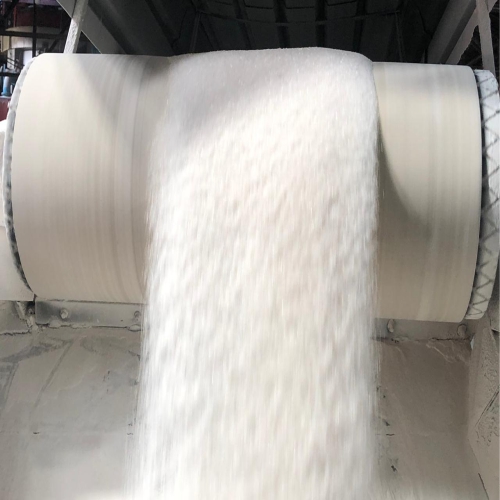
Sugar beet processors across the EU have announced 15-20% production reductions for the 2024 season, responding to a 30% price drop over the past year. The price collapse stems from cheap imports, particularly from Brazil and Thailand, flooding European markets. Domestic producers can't compete with these global players' lower costs and favorable trade agreements.
The EU's 2017 sugar quota abolition, intended to boost competitiveness, backfired as global oversupply intensified. European factories now operate at 60% capacity, with several permanent closures announced. This industry contraction threatens 50,000 jobs across the supply chain, from farmers to processors.
Strategic implications extend beyond sugar: this mirrors broader European manufacturing decline against global competitors. The EU must choose between protecting domestic agriculture via tariffs or accepting market-driven consolidation. Either path carries significant political and economic consequences.
Power Move: EU sugar producers face a binary future: either secure protectionist trade measures or watch the industry shrink to specialty-only production. Expect Brussels to impose safeguard tariffs within 12 months, but even that may only slow the decline. Global cost advantages will ultimately reshape Europe's sugar landscape.
This article was edited with AI assistance for readability. Read original here.