Super El Niño Threatens Global Food, Scientists Urge Reform of Agricultural Insurance
Baca dalam 60 detik
- Fenomena Super El Niño diprediksi menguat akhir tahun ini dan berpotensi mengganggu produksi pangan di sejumlah kawasan dunia.
- Petani yang menanam tanaman penutup tanah atau perennial terbukti lebih tahan terhadap cuaca ekstrem, namun sistem asuransi AS justru menghukum mereka.
- Kongres AS tengah membahas farm bill yang bisa menjadi peluang sekali dalam satu dekade untuk memperkuat ketahanan pangan.
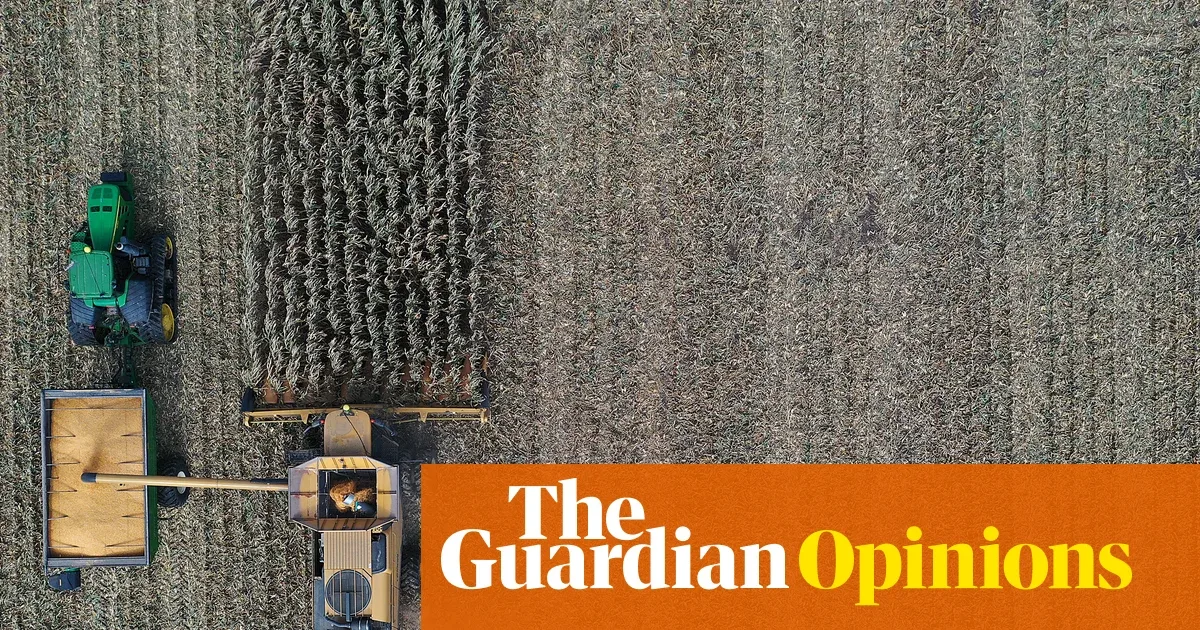
Weather forecasters warn that this year's El Niño could be the strongest on record, triggering serious concerns about food production and global food security. Although the United States will not be hit as hard as Central America, South America, the Caribbean, and southern Africa, extreme weather still risks causing significant crop losses in some parts of the country.
Liz Carlisle, associate professor of Environmental Studies at UC Santa Barbara, highlights in her analysis that farms able to withstand extreme weather share one thing in common: their soil stays covered with plants year-round. Over the past 15 years, Carlisle has observed farmers who were able to absorb heavy rain when neighboring fields were flooded, and still harvested 80% of a normal crop despite receiving only 40% of normal water supply.
The key to that resilience lies in the carbon-rich organic matter in the soil, which allows the land to absorb and hold water like a sponge. The most crucial practice is keeping roots in the ground year-round, whether through cover crops during the off-season or perennial plants that live for years.
Despite the clear benefits, these practices have not become mainstream in the main US farming regions. The cause is not farmers' ignorance, but a skewed incentive structure. The current US crop insurance system strongly encourages planting legacy commodities such as corn, soybeans, wheat, and cotton. Insurance for these 20th-century crops is heavily subsidized, so farmers can lose an entire harvest and still stay financially afloat.
By contrast, farmers who want to plant elderberry or hazelnut must fend for themselves. The Whole Farm Revenue Protection program, which is supposed to protect them, is widely acknowledged to be inadequate. Perennial crops also take years to mature and produce, a period during which farmers need other sources of income to survive.
"For 15 years, I have watched the most resilient fields in this country—able to absorb heavy rain when their neighbors were flooded by several inches, and still harvest 80% when rainfall was only 40% of normal," Carlisle wrote.
Some farmers have found creative ways to integrate these strategies. Some plant fruit and nut trees among annual crops, use berry bushes as living fences, or experiment with new perennial grains. Others graze livestock on perennial pasture, and plant strips of native prairie between corn and soybean rows.
However, federal policy has not fully supported this. As Super El Niño strengthens this autumn, the US Congress is negotiating a farm bill draft—a once-in-a-decade opportunity to invest in food system resilience. It includes programs such as the Conservation Stewardship Program and the Environmental Quality Incentives Program that support farmers in adding cover crops and perennials. Unfortunately, the Republican-controlled Senate has so far insisted on cutting funding for those programs and has not considered deeper crop insurance reform.
For Indonesia, this dynamic is an important mirror. As an agrarian country vulnerable to El Niño, Indonesia faces a similar challenge: how to encourage regenerative farming practices without making farmers bear short-term economic risk. Domestic subsidy and agricultural insurance policies need to be designed not only to benefit certain commodities, but also to make room for diversification and soil conservation practices.
The question now is whether the pressure of extreme weather will be enough to shake policymakers into reforming agricultural incentives—both in Washington and Jakarta—before the next food crisis arrives?