Pacific Nations Fight to Retain Global Banking Access
Baca dalam 60 detik
- The workshop, backed by international financial institutions, focuses on compliance with anti-money laundering standards.
- Pacific nations face de-risking by global banks that view them as high-risk due to limited regulatory capacity.
- This trend has already seen several banks sever ties, leaving countries like Vanuatu and Samoa scrambling for alternatives.
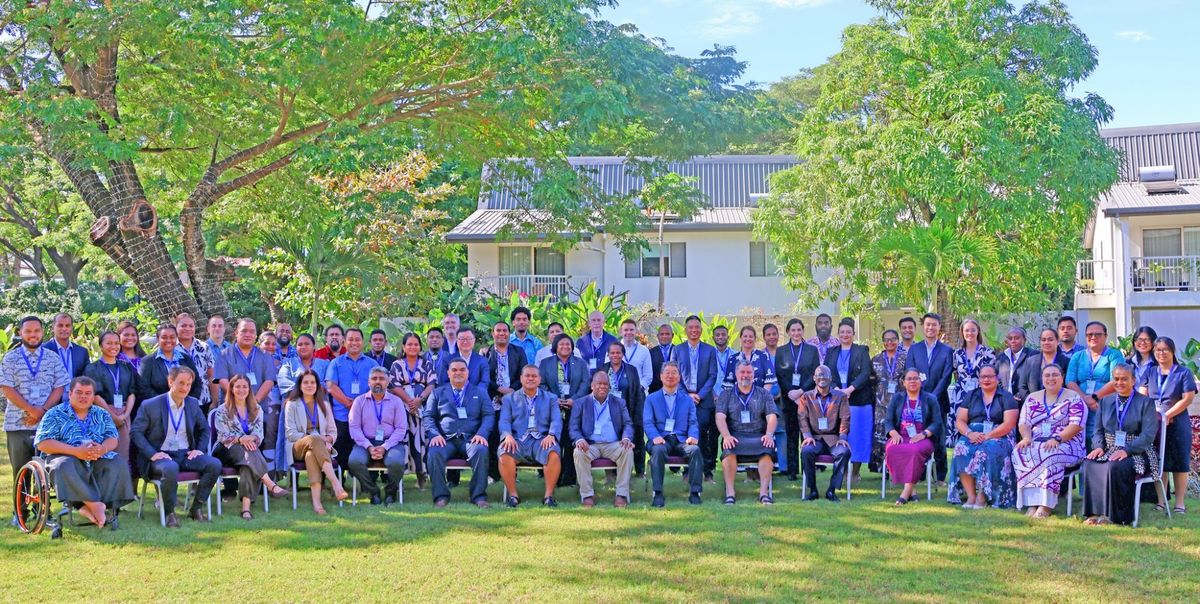
The workshop, backed by international financial institutions, focuses on compliance with anti-money laundering standards. Pacific nations face de-risking by global banks that view them as high-risk due to limited regulatory capacity. This trend has already seen several banks sever ties, leaving countries like Vanuatu and Samoa scrambling for alternatives.
Delegates are exploring shared regional solutions, including a centralized compliance hub to reduce costs and improve oversight. Such a hub could aggregate transaction monitoring and due diligence, making the region more attractive to global banks. The strategy aims to demonstrate collective commitment to financial integrity.
Without intervention, experts warn of a cascading crisis: reduced foreign investment, higher remittance costs, and weakened economic sovereignty. The workshop's outcome could set a precedent for other vulnerable regions facing similar threats. Success hinges on swift implementation and sustained political will.
Power Move: Pacific nations must act now to build a unified compliance framework or face permanent exclusion from global finance. The window for action is closing—those that lead on transparency will secure their economic lifeline.
This article was edited with AI assistance for readability. Read original here.