Walkout at the UN and a Rp18 Billion Contribution: Indonesia's Maneuver on the Global Stage
Baca dalam 60 detik
- Delegasi RI meninggalkan ruang sidang Majelis Umum PBB saat PM Israel Benjamin Netanyahu berpidato, sebagai protes atas kekerasan di Palestina.
- Indonesia menegaskan komitmen tahunan 1,2 juta dolar AS untuk UNRWA, badan PBB yang menangani pengungsi Palestina.
- Langkah ini memperkuat posisi Indonesia sebagai negara berpenduduk Muslim terbesar yang konsisten mendukung kemerdekaan Palestina di forum multilateral.
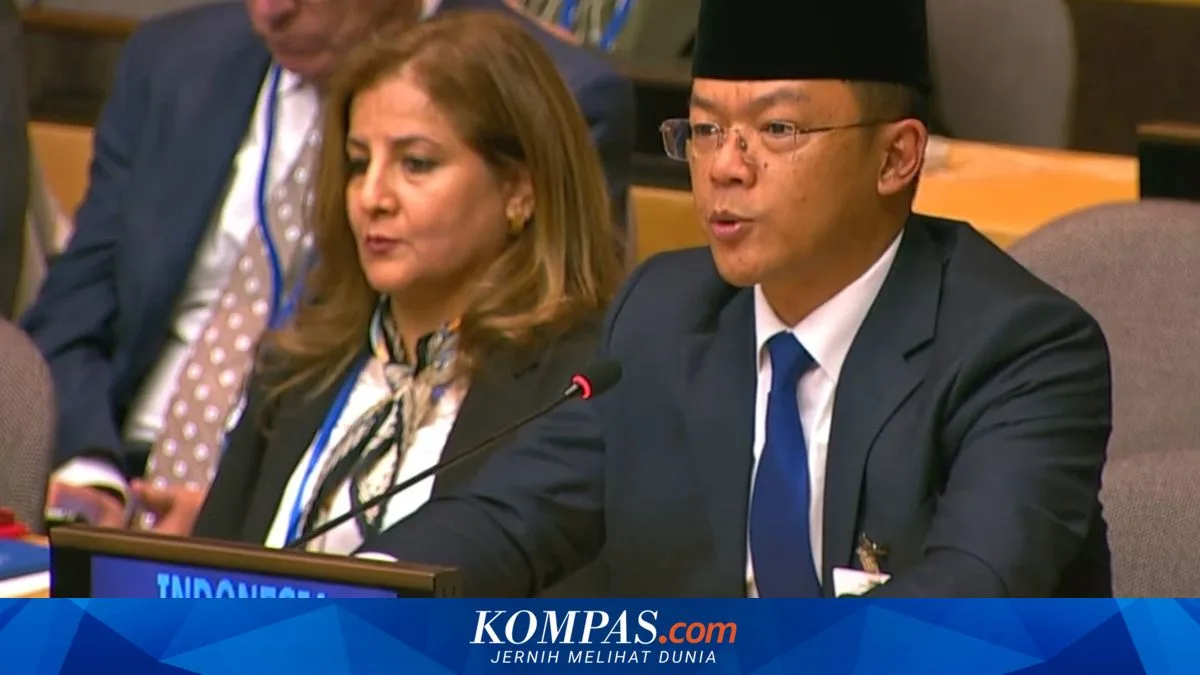
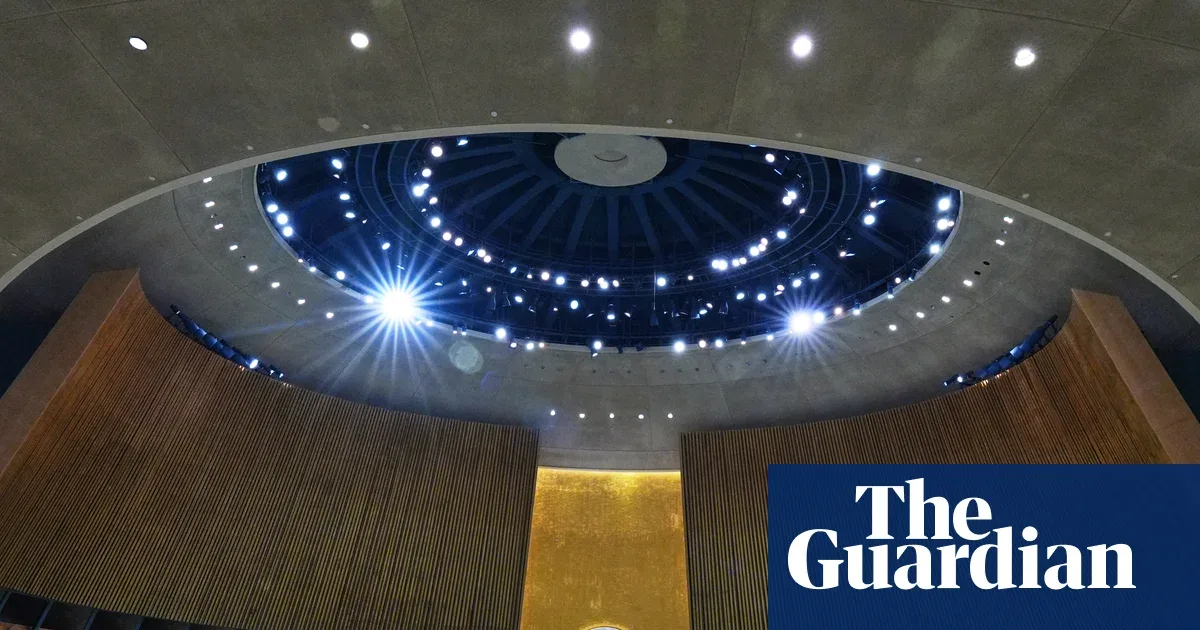
Indonesia has once again asserted its foreign policy stance on the global stage by staging a walkout from the 81st UN General Assembly session on Thursday (24/9/2026). The walkout took place as Israeli Prime Minister Benjamin Netanyahu took the podium to deliver his speech. The Indonesian delegation, along with a number of other countries, chose to leave the chamber as a form of protest and solidarity with the Palestinian people.
Spokesperson for Indonesia's Ministry of Foreign Affairs, Yvonne Mawengkang, stressed that the move was not merely symbolic. According to her, Indonesia wanted to send a firm message that violence against Palestinians and violations of international law cannot be treated as normal. "Together with like-minded countries, Indonesia wants to convey a clear message that violence against the Palestinian people and violations of international law cannot be normalized and must be stopped immediately," Yvonne said via text message on Friday (25/9/2026).
The walkout complements Indonesia's diplomatic efforts, which had previously voiced support for Palestine in various international forums. Not only that, Indonesian Foreign Minister Sugiono also reaffirmed Indonesia's financial commitment by providing an annual contribution of USD 1.2 million (around Rp18 billion) to the UN Relief and Works Agency for Palestine Refugees (UNRWA). The commitment was conveyed at a ministerial-level forum in support of UNRWA in New York on Thursday.
Indonesia's move is not without strategic reasoning. As the country with the world's largest Muslim population, Indonesia's position at the UN is always in the spotlight. Support for Palestine is a constitutional mandate enshrined in the Preamble to the 1945 Constitution, which rejects colonialism in all its forms. However, on the other hand, Indonesia also has complex economic and geopolitical interests with major powers, including the United States and its allies.
International relations observers assess that the walkout strengthens Indonesia's image as a country that consistently fights for global justice. "This is a signal that Indonesia will not remain silent in the face of gross human rights violations, even if it has to stand up to a superpower," said an analyst who asked not to be named. However, he also cautioned that the impact of this move on bilateral relations with Israel and the US needs to be examined closely, especially in the context of economic and security cooperation.
For readers in Indonesia, especially market players and professionals, this decision has long-term implications. Political stability in the Middle East always affects world oil prices and global financial markets. Continued tensions can trigger volatility in energy markets, which ultimately affects inflation and people's purchasing power. In addition, Indonesia's vocal position at the UN can influence trade and investment negotiations with countries that hold different views.
On the other hand, the financial contribution to UNRWA shows that Indonesia does not only speak out, but also delivers concrete assistance. UNRWA has long been the backbone for millions of Palestinian refugees who depend on education, health, and food assistance. By continuing to support UNRWA, Indonesia helps maintain regional stability, albeit on a limited scale.
"Indonesia's commitment remains firm and consistent; this year we will continue our annual contribution of USD 1.2 million to UNRWA," Foreign Minister Sugiono stressed.
Going forward, Indonesia's steps at the UN will continue to be tested. Will the walkout be followed by more concrete diplomatic measures, such as pushing for a new resolution or rallying support from OIC countries? Or will it remain a symbol without follow-up? What is clear is that the Indonesian public is waiting for the government's consistency in fighting for Palestinian independence, without sacrificing national interests on the global stage.