
Ex-NatSec Advisor Wants Iran Talks to Fail: Sabotage Play
Baca dalam 60 detik
- The former advisor’s statement isn’t just personal opinion—it reflects a coordinated effort to derail any potential deal with Tehran.
- By openly rooting for breakdown, he emboldens hardliners on both sides who prefer confrontation over compromise.
- This calculated rhetoric aims to box in the current administration and force a more aggressive posture.
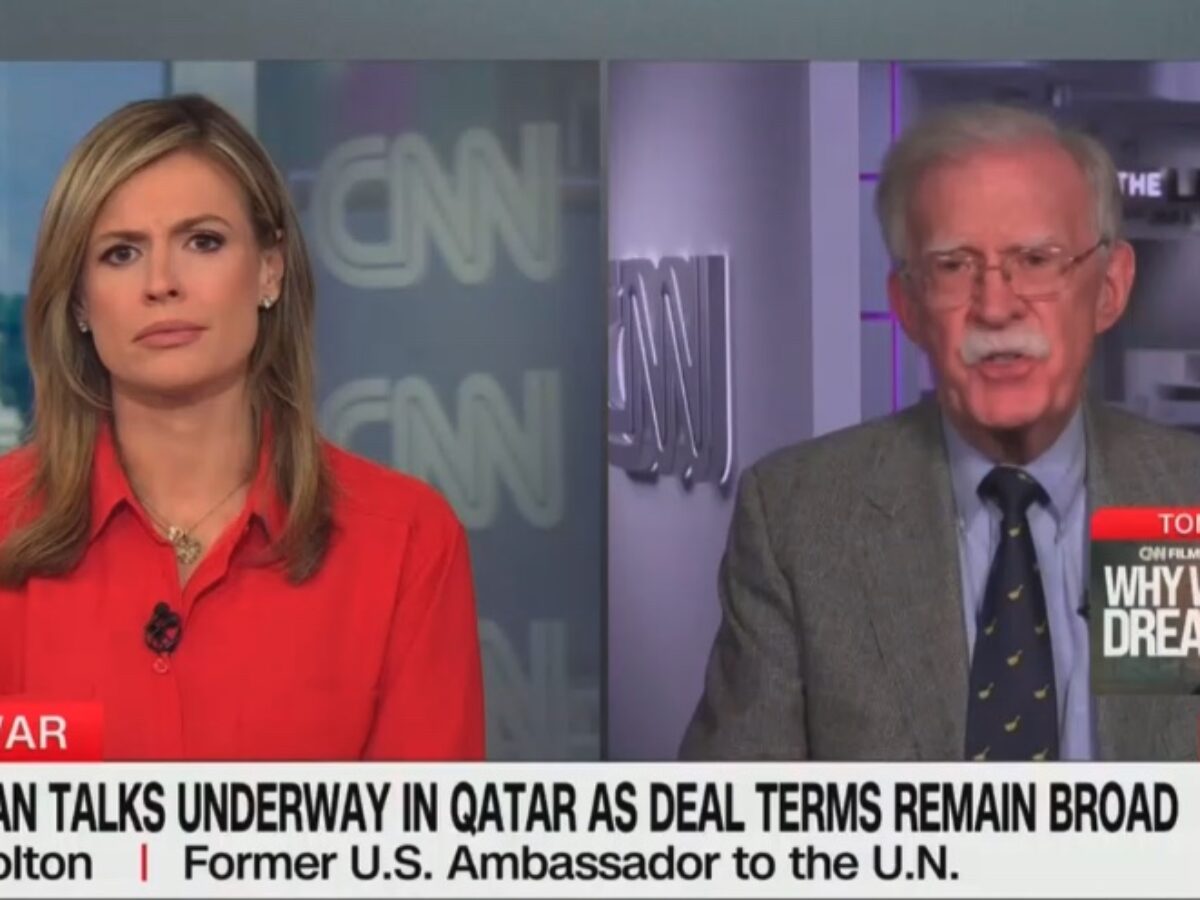
The former advisor’s statement isn’t just personal opinion—it reflects a coordinated effort to derail any potential deal with Tehran. By openly rooting for breakdown, he emboldens hardliners on both sides who prefer confrontation over compromise. This calculated rhetoric aims to box in the current administration and force a more aggressive posture.
Historical precedent shows that when U. S. officials publicly sabotage negotiations, partners lose trust and adversaries gain leverage.
This intervention highlights the enduring power of Trump-era appointees to shape policy even from outside government. Their network uses media appearances and backchannel communications to influence Republican lawmakers and donors. The goal is to lock the U.
Power Move: Iran talks now carry a poison pill: domestic sabotage ensures any deal is fragile, while failure triggers escalation. Expect the negotiations to collapse under the weight of internal opposition, pushing both nations closer to direct confrontation. The power play is to force a choice between diplomatic humiliation or military action.
This article was edited with AI assistance for readability. Read original here.


