After Midterm Defeat, Trump Promotes Stephen Miller to White House Chief of Staff
Baca dalam 60 detik
- Donald Trump menunjuk Stephen Miller, arsitek kebijakan deportasi massal, sebagai kepala staf Gedung Putih menggantikan Susie Wiles yang dicopot.
- Langkah ini memicu kritik keras dari politisi Partai Demokrat dan bahkan sejumlah Republikan yang menilai Miller terlalu ekstrem dan kontroversial.
- Penunjukan Miller dinilai sebagai sinyal bahwa Trump akan memperkuat agenda anti-imigrasi dan konservatif garis keras, meski baru saja kalah dalam pemilu tengah.
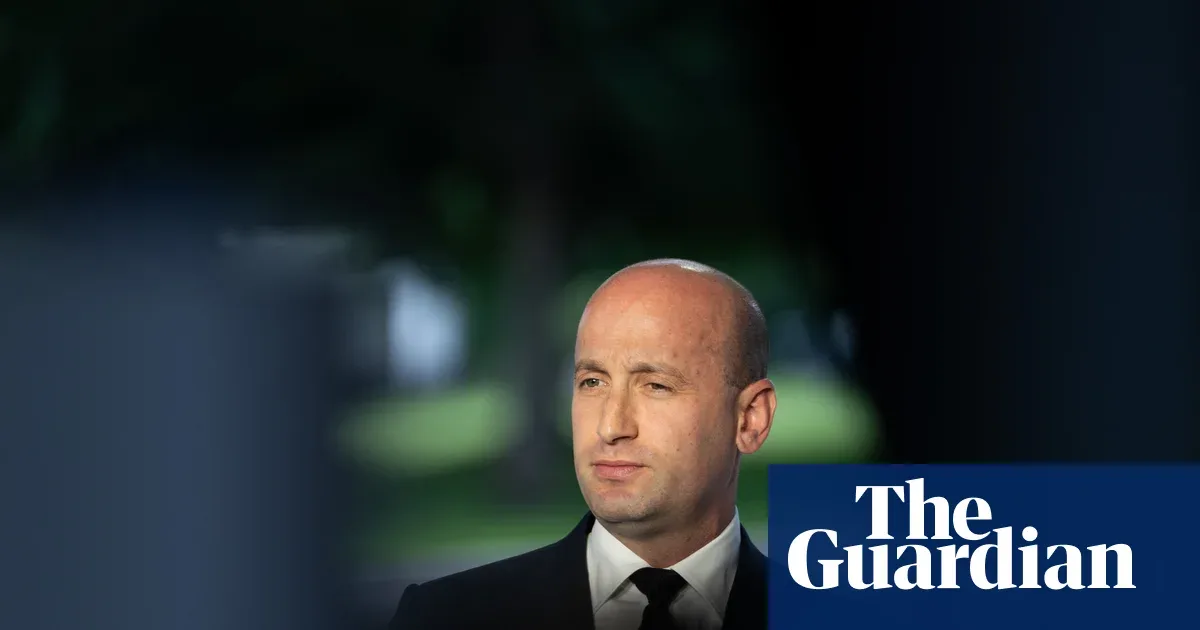
Less than a week after the Democratic Party won a landslide in the United States midterm elections, President Donald Trump instead took a step widely seen as controversial by naming Stephen Miller as White House chief of staff. The announcement was made by Trump via the Truth Social platform on Friday afternoon local time, replacing Susie Wiles, who was confirmed to have been removed from her post.
Miller, who had been serving as deputy chief of staff, is known as the architect behind the Trump administration's mass deportation and immigration crackdown policies. The promotion immediately triggered a wave of criticism from various quarters, including from within the Republican Party itself. Several Democratic lawmakers condemned Miller with harsh labels: "bigot", "xenophobe", and "vile". Senator Dick Durbin of Illinois wrote on social media X that Trump "learned nothing" from his electoral defeat by promoting a figure like Miller.
Senator Chuck Schumer, who is expected to become Senate majority leader, judged that Trump had made "the worst mistake" by choosing Miller. Meanwhile, Hakeem Jeffries, the Democratic figure in the House who is tipped to become the first Black House speaker, demanded that Miller be removed immediately, calling him a "dangerous xenophobe and reckless extremist who has spilled American blood".
Criticism also came from California Governor Gavin Newsom, who called Miller "one of the most vile thugs ever to enter the Oval Office" and described Trump's move as an insult to the American people who want change. However, Trump's allies welcomed the appointment. White House Communications Director Steven Cheung praised Miller as a "Trump OG" and stressed that no one was a more tenacious supporter of Trump's agenda than him.
Senator Mike Lee of Utah called Miller a "loyal defender of law enforcement against illegal invasion and leftist chaos". Senator Eric Schmitt of Missouri added that Miller understood exactly what was at stake for the nation. Support also flowed from several cabinet ministers such as JD Vance, Pete Hegseth, Robert F Kennedy Jr, and Marco Rubio.
Even so, not all Republicans agreed. Representative from Indiana Marlin Stutzman, who had previously called for Miller to be fired, told Semafor he considered Trump's latest decision a "terrible decision". Miles Taylor, a former chief of staff at the Department of Homeland Security during Trump's first term who later became a critic, stated that Miller's appointment as chief of staff was "one of the most dangerous personnel decisions in the history of this republic".
"I spent two years working with Stephen Miller. His appointment as White House chief of staff is one of the most dangerous personnel decisions in the history of our republic. I say that without hesitation." — Miles Taylor, former DHS official
Responding to the criticism, the White House praised Miller as a "key player" who had carried out Trump's agenda, including criminal crackdowns in Washington DC and Memphis, sweeping deregulation, energy exploitation, dismantling drug cartels, and border security. "In his new role, he will continue to deliver historic success for the American people," the White House statement said.
Miller himself expressed his gratitude to Trump and called it an "extraordinary honor" to serve. "The mission now is clearer than ever: to fight with all my soul to support the President and defend this great republic," he wrote on X.
For Indonesia, Miller's appointment as White House chief of staff could signal that US immigration policy will become stricter, potentially affecting Indonesian citizens living or working there, as well as bilateral relations in mobility and security cooperation. With Miller known as a hardliner, the prospects for cooperation in the immigration and labor sectors become more challenging.
Going forward, this decision will be a test for Trump in reaching back out to moderate voters who turned away in the midterms, while retaining his hardline conservative base. Whether Miller can bridge the two camps, or instead widen polarization, remains a big question.