UK Parliament Renovation Stalls, Speaker: Delays Cost Rp8.2 Trillion per Year
Baca dalam 60 detik
- Sir Lindsay Hoyle mengkritik birokrasi yang membelenggu perbaikan Gedung Parlemen, dengan biaya penundaan mencapai £420 juta per tahun.
- Komite akuntansi publik menilai waktu kritis: proyek berisiko hingga £40 miliar dan memakan waktu 61 tahun jika terus tertunda.
- Pemerintah berencana menggelar voting sebelum akhir 2026 untuk memilih opsi renovasi, tetapi tanggalnya belum pasti.
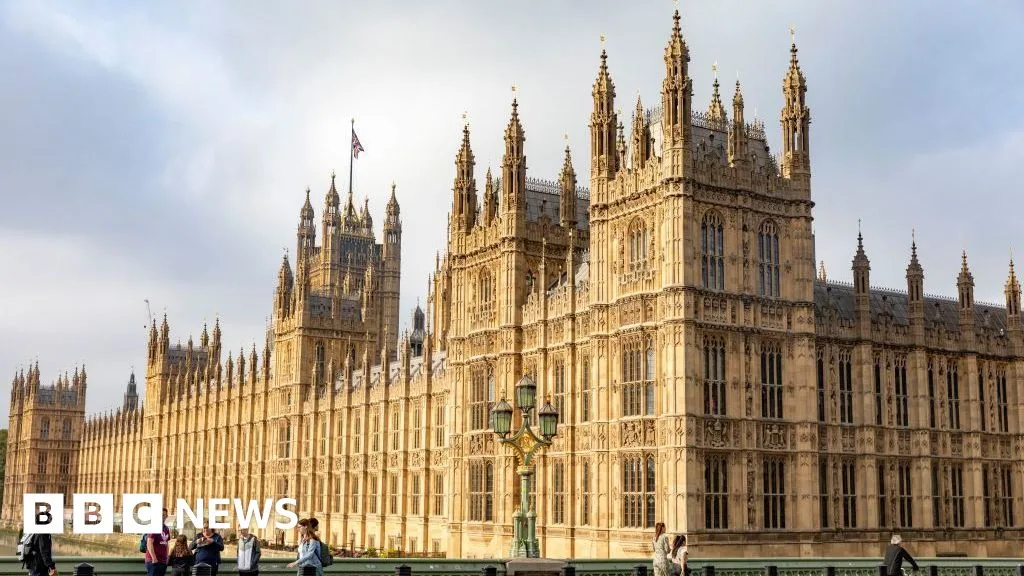
The Speaker of the UK House of Commons, Sir Lindsay Hoyle, has voiced deep frustration over the slow pace of repairs to the Palace of Westminster, the historic parliament building now in a sorry state. In an interview with the BBC, he said the current approval process for the renovation was making parliament "handcuff itself" and spending more time on surveys than on actual repairs.
The remarks came after the House of Commons Public Accounts Committee warned this week that renovation of the dilapidated building had reached a critical point. The project is estimated to cost up to £40 billion (around Rp780 trillion) and take up to 61 years. Each year of delay, according to the committee, burdens taxpayers by £420 million (Rp8.2 trillion). The committee chair even compared the risk to the major fire that struck Notre-Dame Cathedral in Paris a few years ago.
Hoyle specifically highlighted the Parliamentary Buildings Act, which prevents major repairs from starting before parliament approves the project's overall scope and funding. "It is very frustrating when legislation prevents you from doing the repairs that are needed. That is called handcuffing yourself," he told BBC Radio 4. He also questioned why a fire-mist system had not been installed across the building, despite his requests over several years. "The largest and most historic part of this building does not have that system, when that is what we need," he said.
The Victorian building has cabling and piping largely dating from the 1940s, with some from the Victorian era. A report a decade ago warned of a "looming crisis", including fire safety problems and high asbestos levels. Even so, no significant action has been taken to date. The government is reportedly considering holding a debate and vote before the end of 2026 to decide whether to proceed with an initial £3 billion renovation and choose one of four options, before a final decision in 2030. However, no exact date for the vote has been scheduled.
"We are already spending £150 million a year just to keep this building standing," said the chair of the parliamentary renovation body, defending the project's potentially large cost.
Of the four options in circulation, two stand out. The first requires members of parliament and peers to move off-site for up to 24 years starting in 2032, at a cost of up to £15.6 billion. The second moves only the House of Lords, at a cost of £39 billion and a timeline of 61 years. Both have drawn support and opposition, particularly over the scale of the fiscal burden amid pressure on the UK economy after Brexit and the pandemic.
For Indonesia, the story of the UK Parliament renovation can be a valuable mirror. Strategic infrastructure projects in the country often face similar problems: slow permitting, overlapping regulations, and sectional ego that make construction drag on. If the UK—a developed country with an established bureaucratic system—still struggles, Indonesia needs to learn that faster regulation and decisive decision-making are key to keeping state assets from deteriorating further and costs from ballooning.
The question now: will the UK parliament act soon before the damage becomes uncontrollable, or will it remain trapped in an endless circle of surveys and debate? The public awaits certainty, because every day of delay means public money keeps draining away.