Greenpeace Drops Giant Boulders in North Sea to Block Industrial Trawlers
Baca dalam 60 detik
- Aktivis Greenpeace menenggelamkan batu-batu besar di Laut Utara untuk menghalangi jaring pukat industri di kawasan konservasi laut.
- Aksi ini merespons minimnya penegakan aturan di Southern North Sea MPA yang menjadi habitat penting lumba-lumba pelabuhan.
- Pemerintah Inggris diminta mempercepat larangan pukat dasar dan memperluas kawasan perlindungan laut yang benar-benar efektif.
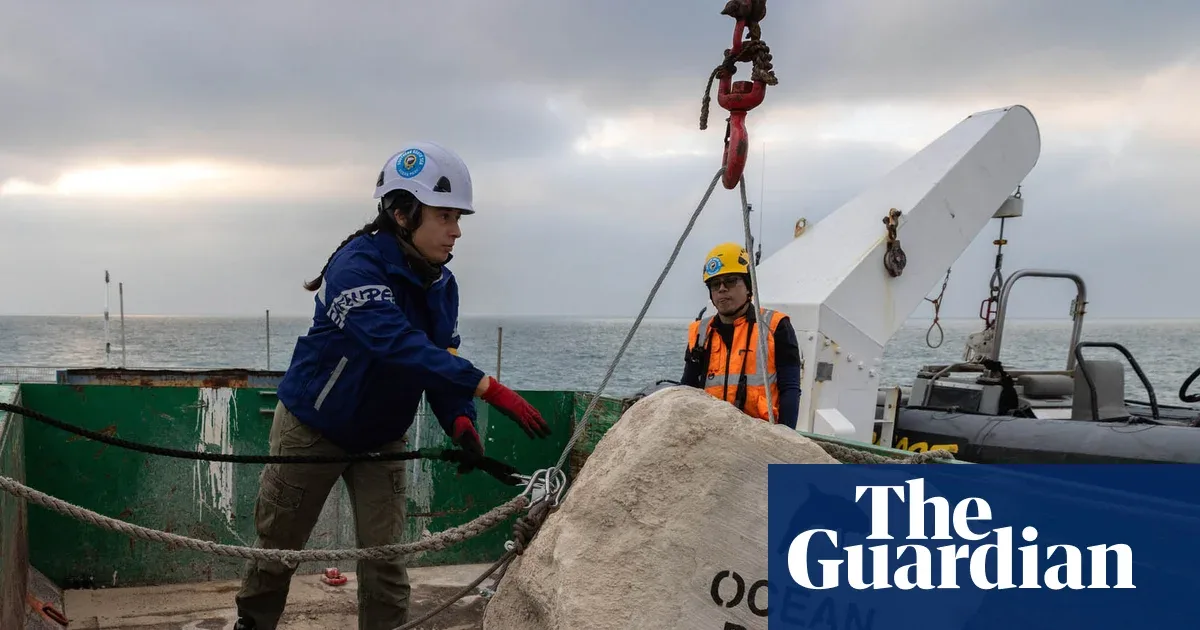
Greenpeace UK has taken a controversial step by sinking giant boulders in North Sea waters to obstruct industrial trawler operations. The action targets the Southern North Sea Marine Protected Area (MPA), a marine conservation zone that the environmental organization says is the worst affected by bottom trawling in England.
Greenpeace's ship Arctic Sunrise lowered large boulders into the sea to form an underwater barrier capable of damaging trawl nets. According to Greenpeace, the blockade effectively closes about 116 square kilometers of the MPA to bottom trawling. Over the coming days, the vessel will patrol to prevent other forms of industrial fishing. The activists even declared the zone a “marine park”, drawing inspiration from national parks on land.
The Southern North Sea MPA stretches along England's east coast, from north of Dogger Bank to the Dover Strait. The area is designed to protect the harbour porpoise population, which accounts for nearly 20% of the species' population in the UK North Sea. However, conservation status has not been matched by meaningful restrictions: bottom trawlers, dredgers, and other industrial fleets still operate daily across most of the area.
Greenpeace data shows that in 2025, bottom trawlers logged more than 37,200 hours of fishing inside the protection zone. The organization likened the practice to “bulldozers tearing up a precious national park”. Will McCallum, co-executive director of Greenpeace UK, asserted that large vessels continue to scrape the seabed and kill wildlife such as porpoises, sharks, and seabirds. “With our ship and the backing of a movement, we are doing what the government is not: protecting our seas,” he said.
The Greenpeace action coincides with the national premiere of the BBC documentary Blue Planet III, narrated by David Attenborough, which highlights human threats to the oceans. The momentum was used to press the UK government to act more firmly. Several public figures, including Labour MP and former climate minister Kerry McCarthy, added their names to the boulders that were sunk. McCarthy argued that industrial fishing is highly destructive to the marine environment, while less than 1% of UK waters is genuinely protected from the practice.
“Fishing vessels can legally tear up areas of sea that are supposed to be protected, destroying the seabed, precious habitats, and the marine life within them. Progress is too slow and nature cannot wait,” McCarthy said. She urged a ban on bottom trawling and truly protected marine sanctuaries, both in UK waters and across the Atlantic Ocean.
Greenpeace claims it announced plans for direct action as early as June 2025 if the government did not act promptly. As of publication, the UK government had not commented on requests for confirmation.
The case highlights the gap between designating conservation areas and enforcing rules on the ground. In many countries, including Indonesia, marine protected areas are often little more than status on paper without adequate monitoring. Destructive fishing practices such as bottom trawling and fish bombing remain widespread in Indonesian waters, threatening coral reef and seagrass ecosystems that are the backbone of small-scale fisheries. International pressure to tighten fishing regulations in conservation areas could set a precedent for developing countries to strengthen technology-based monitoring and coastal community participation.
Going forward, the effectiveness of Greenpeace's boulder blockade will depend on the response of UK maritime authorities and whether similar steps are adopted in other countries. The question is whether the UK government will speed up a bottom trawling ban before marine ecosystem damage becomes permanent.