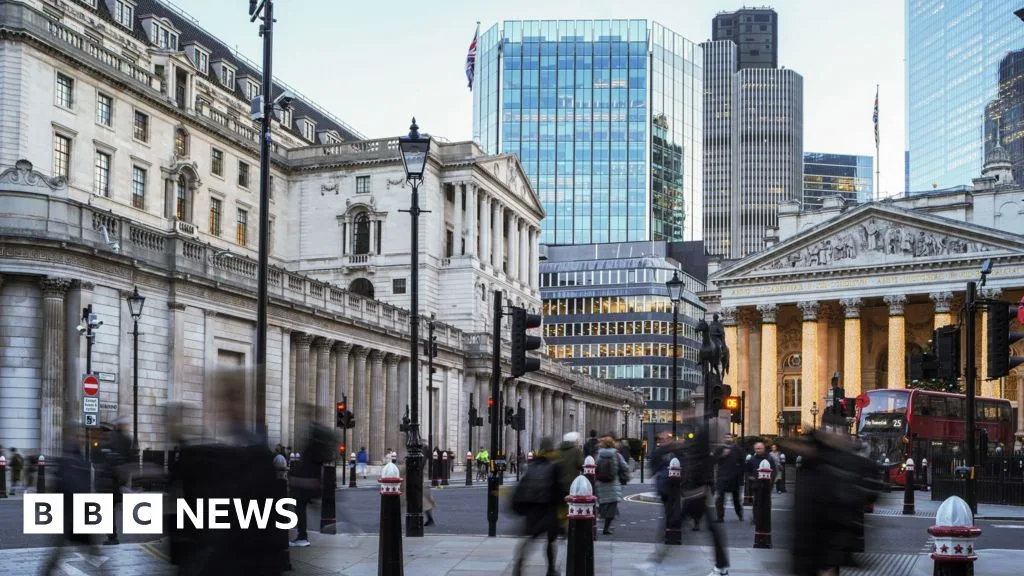
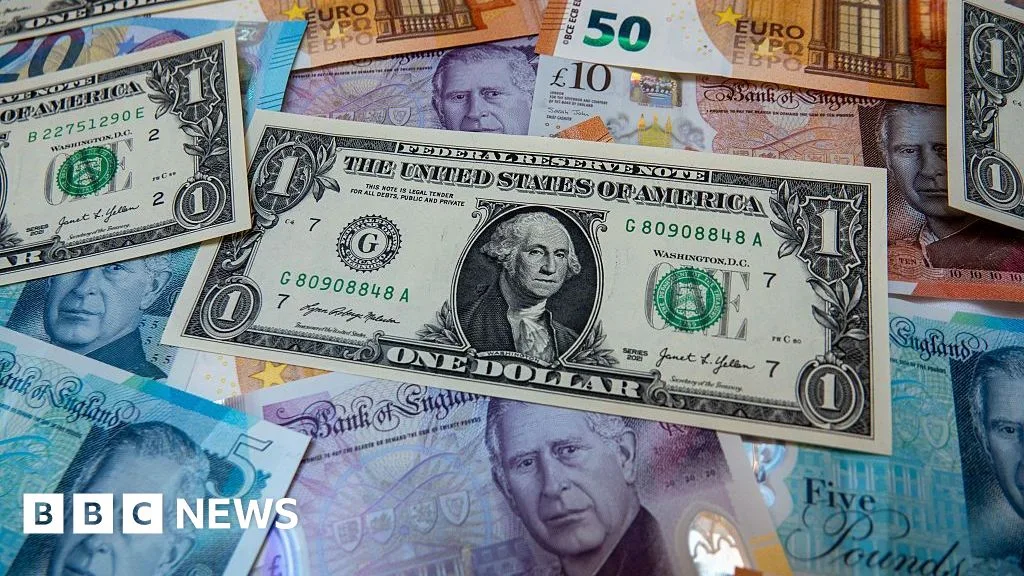
Bank of England Raises Interest Rate to 4%, UK Inflation Expected to Approach 5%
Baca dalam 60 detik
- BoE menaikkan suku bunga 25 basis poin menjadi 4%, kenaikan pertama sejak Agustus 2023.
- Konflik AS-Iran mendorong harga energi global dan diperkirakan mengerek inflasi Inggris ke sekitar 5% pada pertengahan 2027.
- Pasar memperkirakan peluang 25% kenaikan lanjutan pada Desember, sementara yield gilt dan poundsterling bergerak terbatas.
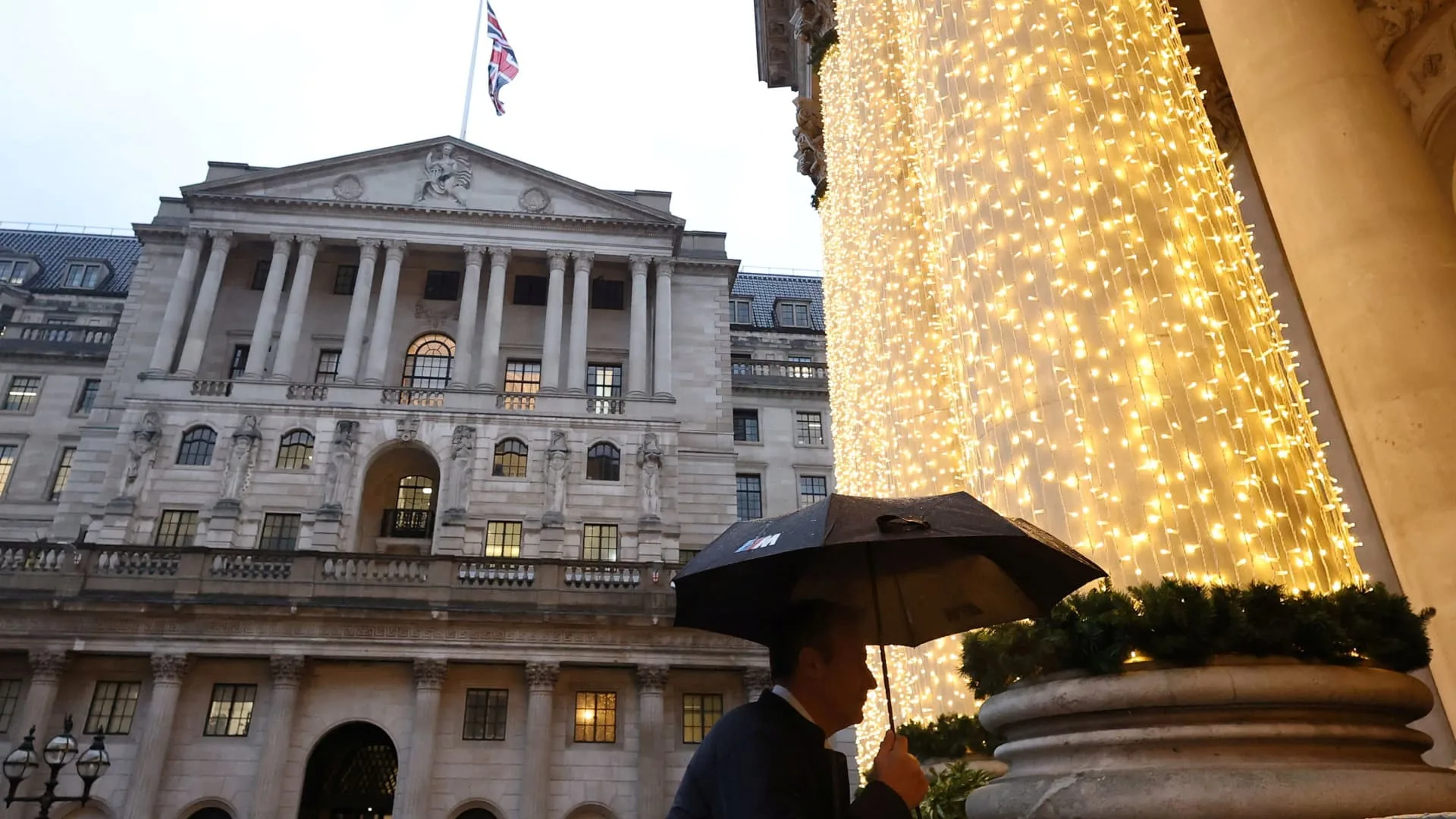
The Bank of England (BoE) raised its benchmark interest rate by 25 basis points to 4% on Thursday (5/11/2026), the first increase in more than three years. The decision was taken amid renewed inflationary pressure from a surge in global energy prices caused by the nine-month war between the United States and Israel against Iran.
A majority of Monetary Policy Committee (MPC) members approved the increase in an 8-to-1 vote. One member, Catherine L Mann, even pushed for a 50 basis point increase to 4.25% out of concern over non-linear inflation risks. "The conflict in the Middle East is now entering its ninth month. Global energy prices continue to rise from already high levels," the MPC said in its statement.
The BoE expects UK inflation to reach around 5% in mid-2027, up from its previous projection. After that, inflation is projected to decline as the impact of higher energy prices on 12-month inflation fades and monetary policy remains tight. The latest data showed UK annual inflation jumped to 3.5% in September, driven by expensive vehicle fuel.
As a net energy importer, the UK is highly vulnerable to external energy price shocks. BoE Governor Andrew Bailey stressed that without real progress toward resolving the Middle East conflict, risks to energy prices and inflation tend to rise. "Without news that eases the risk of inflationary pressure, I see the argument for further rate increases and thereafter taking a more conditional approach, depending on evidence from energy prices and inflation dynamics," Bailey said in the November Monetary Policy Report.
The decision was met with a limited market reaction. Sterling held flat against the US dollar and the euro after previously hitting a post-Brexit high on Wednesday. Meanwhile, the 10-year gilt yield rose 4 basis points to 4.782%, continuing its upward trend before the announcement. JPMorgan Personal Investing analyst Scott Gardner described the increase as "highly symbolic" and a "180-degree turn" from the start of the year, when many believed rates would fall because UK inflation was seen as under control.
"The path ahead remains uncertain, highly dependent on how oil trades and also on natural gas prices, which have soared sharply in recent months. Worryingly, there are early signs of second-round inflation effects in the UK economy, as seen in the acceleration of goods and services inflation. The central bank will be watchful of this but also mindful not to raise rates too aggressively, which could hamper the UK's recently positive economic growth," Gardner said.
For Indonesia, the BoE rate increase and the prospect of higher global inflation could strengthen pressure on the rupiah exchange rate and narrow the room for Bank Indonesia to cut rates. As an open economy, Indonesia also faces the risk of higher prices for imported energy and food if the Middle East conflict continues. The government needs to anticipate the knock-on effects on domestic inflation and the trade balance, especially if world oil prices keep climbing.
Going forward, market attention will focus on UK inflation data and energy price developments ahead of the December MPC meeting. The chance of a further rate increase remains open, although the BoE stresses a data-dependent approach. The question is how long the central bank can hold back inflation without sacrificing economic growth that has begun to recover?