UK Pound Hits Highest Level Since Brexit Referendum, a Sign of Economic Revival?
Baca dalam 60 detik
- Indeks pound sterling mencapai 86,4, level tertinggi sejak Juni 2016, menjelang kenaikan suku bunga Bank of England.
- Stabilitas politik dan pemulihan hubungan dengan Uni Eropa menjadi faktor pendorong penguatan mata uang Inggris.
- Penguatan pound berpotensi menekan inflasi, tetapi kenaikan harga energi membayangi kepercayaan konsumen.
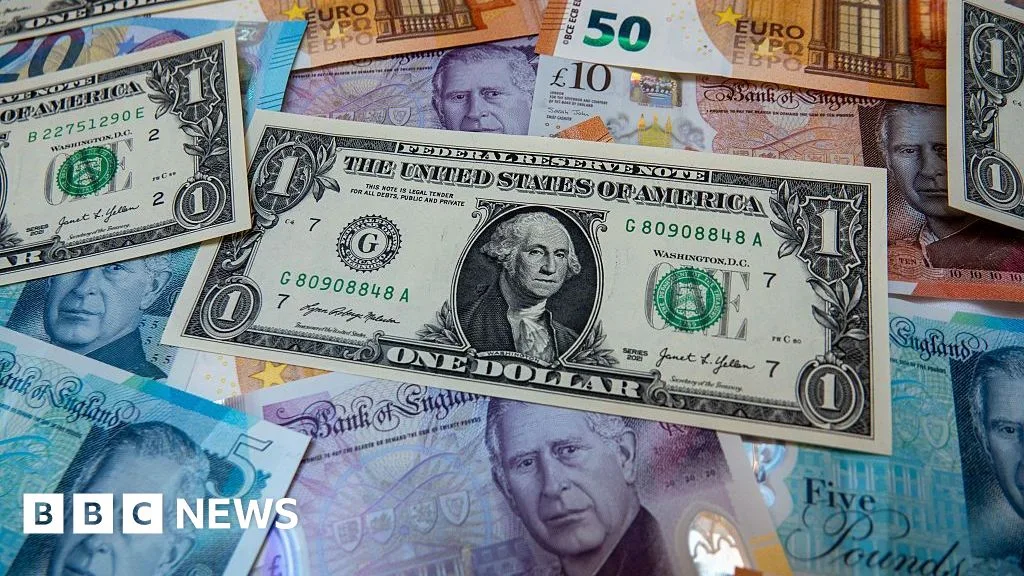
The British pound sterling has surged to its highest level since the Brexit referendum in June 2016, just before the Bank of England (BoE) is expected to raise interest rates for the first time in three years. The sterling index against 18 major world currencies touched 86.4 this week, according to BoE data, with official confirmation scheduled for Thursday (16/12).
The strengthening marks a dramatic reversal from the pound's battered position after the 2016 referendum, worsened by uncertainty over the Brexit process, the Covid-19 pandemic, and the 2022 mini-budget policy. Now, the market sees the UK in a different light: relative political stability, solid economic growth, and improving relations with the European Union are the main catalysts.
Economist and former UK finance minister Jim O'Neill is not surprised by this trend. "The momentum of the UK's economic improvement has been underestimated," he said, as quoted by the BBC. The statement underscores that market participants are beginning to acknowledge the UK's stronger economic fundamentals.
The pound's strengthening carries positive implications for the domestic economy. A higher exchange rate can help curb inflation by lowering the price of imported goods, while also boosting consumers' purchasing power for shopping and holidays abroad. On the other hand, recent rises in energy and fuel prices have begun to erode consumer confidence, a warning signal amid market optimism.
For Indonesia, the pound's movement warrants attention. As a trading partner and investment destination, the strengthening sterling could affect the competitiveness of Indonesian exports to the UK, especially for commodities such as textiles, electronics, and agricultural products. Conversely, for Indonesian investors with portfolios in UK assets, the pound's appreciation provides exchange-rate gains. Bank Indonesia will also monitor the impact on rupiah stability, though the effect is relatively limited compared with US dollar dynamics.
The BoE's interest rate decision on Thursday is a crucial moment. A rate hike would strengthen the pound's appeal, but also risks slowing economic growth that has only just shown signs of recovery. BoE Governor Andrew Bailey and the nine-member monetary committee face a dilemma between controlling inflation and sustaining growth momentum.
Looking ahead, is the pound's strengthening sustainable? The answer depends on how aggressively the BoE raises interest rates and how the UK government manages external pressures such as global energy prices. If political stability and good relations with the European Union are maintained, the pound could test new highs. However, the market will remain alert to the looming risk of stagflation.