Trump Admits Republican Midterm 2026 Landslide Loss Was Triggered by Iran War, but Insists He Would Do It Again
Baca dalam 60 detik
- Donald Trump membenarkan pernyataan JD Vance bahwa perang Iran menjadi penyebab utama kekalahan besar Partai Republik di pemilu sela 2026.
- Meski mengakui lonjakan harga bensin jangka pendek, Trump menegaskan keputusan berkonflik dengan Iran tidak bisa dihindari dan akan ia ulangi.
- Klaim Trump bahwa kemenangan akan diraih jika namanya ada di surat suara dinilai gagal mentransfer popularitas ke kandidat lain.
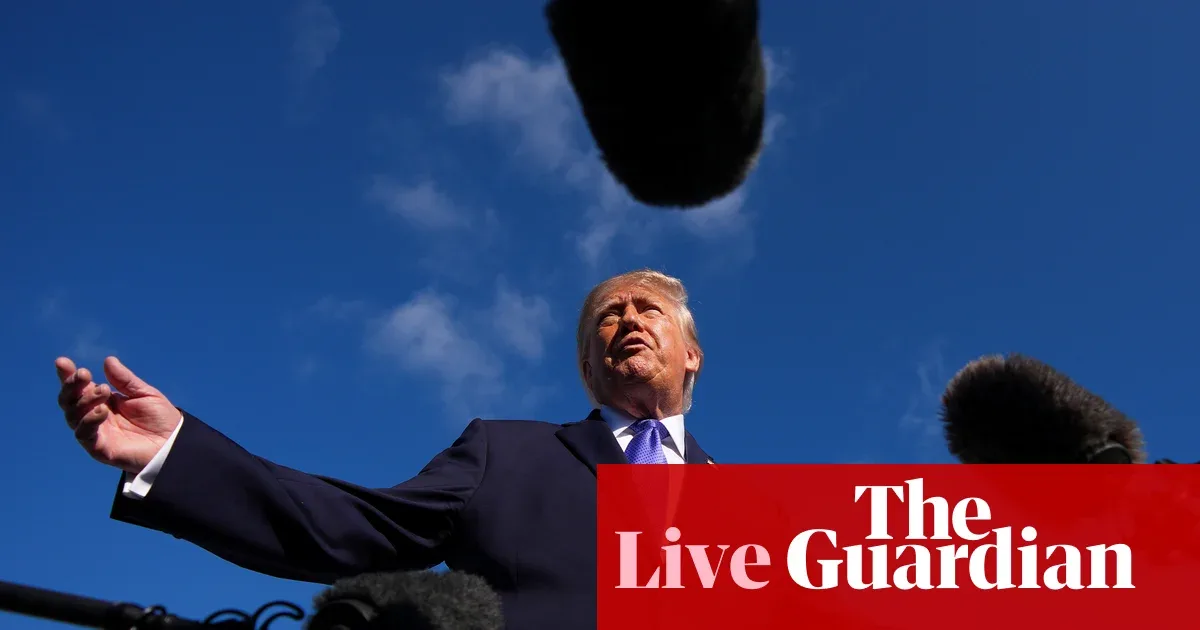
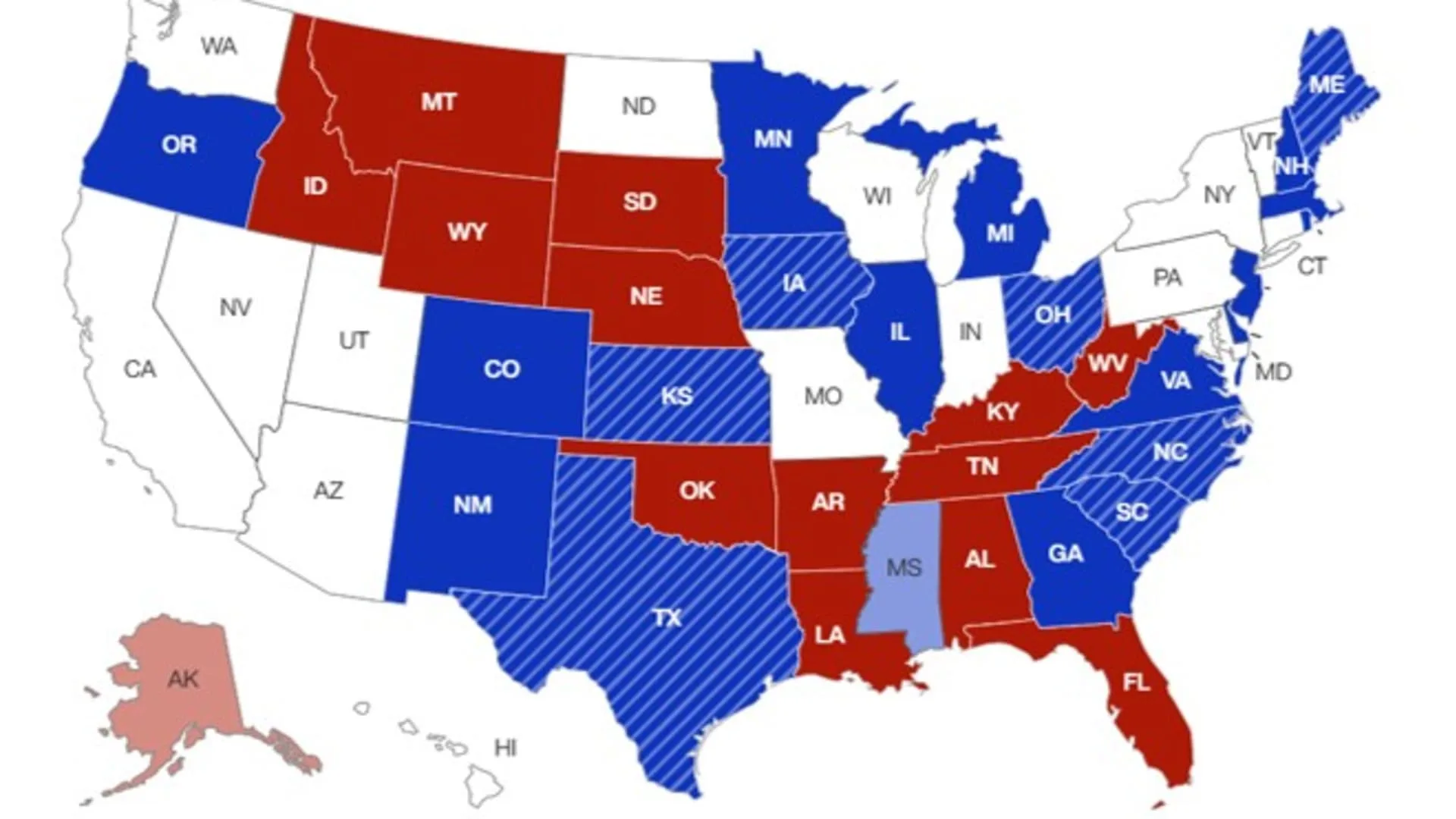
Former United States President Donald Trump has finally spoken about the cause of the Republican Party's landslide defeat in the 2026 midterm elections. He confirmed Senator JD Vance's statement that the war with Iran was the main factor behind the collapse of the party's seat gains in the House and Senate. The admission is a rare signal that a controversial foreign policy also hit the ruling party's electability.
In his comments, Trump did not deny the conflict's impact on the domestic economy. He acknowledged that gasoline prices briefly spiked in the short term due to tensions in the Middle East. However, he stressed that the decision to start the conflict was an unavoidable choice. "I think it's largely true because it drove gasoline up a little bit in the short term," he said, adding that he would take the same step if given a second chance. "In the long term, that was the only answer," he stressed.
Trump even predicted the oil price spike would be worse than what occurred. According to him, there was no alternative but to prevent Iran from obtaining nuclear weapons. "You have no choice. You have to do it. You can't let Iran have a nuclear weapon," Trump said. The statement reaffirms that Trump's version of the national security doctrine still prioritizes preemptive action, even at a high political cost.
Interestingly, Trump still insists that if his name had been on the ballot, the Republican Party would have won many races it actually lost. He blamed the failure to transfer his supporters' enthusiasm to other candidates. "They couldn't transfer that love," he said. "There was so much love at the rallies. It was incredible. We weren't able to transfer that love to the candidates." The statement implies that Trump's supporter base is highly personal but not automatically loyal to the party institutionally.
The landslide defeat raises questions about the Republican Party's direction going forward. Will it abandon Trump's aggressive foreign policy legacy, or go even deeper? Meanwhile, from Indonesia's perspective, the Iran conflict and global oil price fluctuations always affect the domestic economy, especially energy subsidies and inflation. Tensions in the Middle East triggered by US policy can influence world crude oil prices, which ultimately burden Indonesia's state budget. The government needs to closely monitor this US political dynamic because energy price stability is key to maintaining people's purchasing power.
Going forward, Trump's statement could be a double-edged sword. On one hand, it reinforces the narrative of a firm foreign policy toward Iran. On the other, the admission that the war worsened the party's electability shows that domestic economic issues remain the main determinant in elections. The question is, will the Republican Party correct its policy or follow Trump's hardline even more closely? The answer will be visible in the direction of the campaign ahead of the next presidential election.