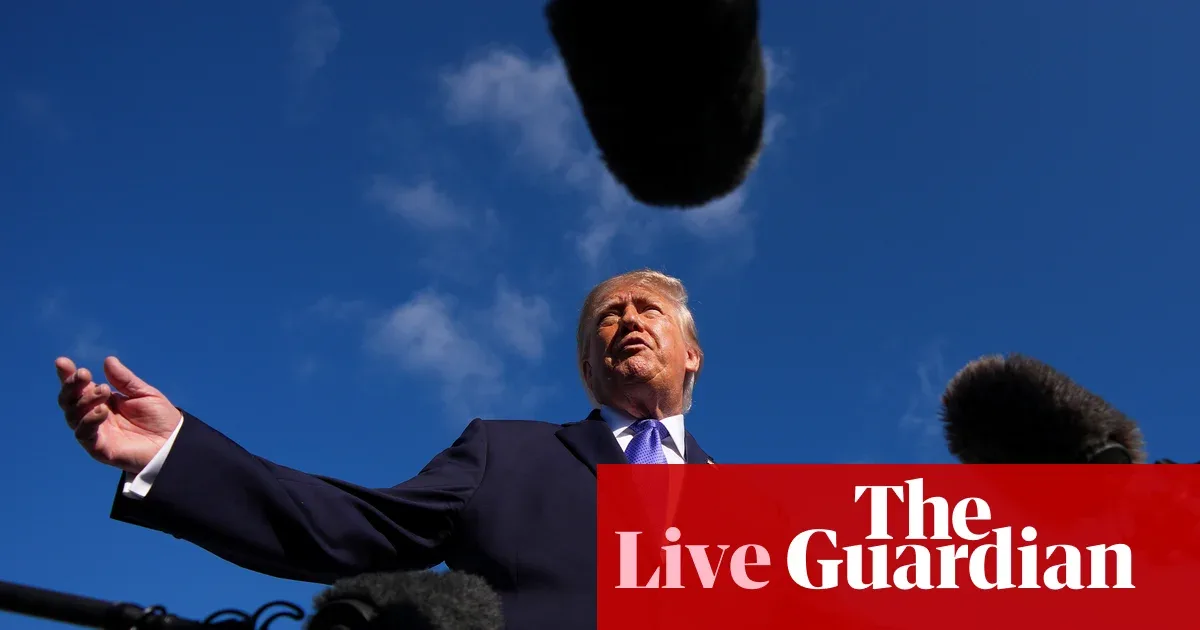
Blue Wave in the US: Congress Changes Hands, a New Stage for Trump's Ambitions
Baca dalam 60 detik
- Partai Demokrat mengamankan kendali penuh atas DPR dan Senat, membalikkan dominasi Republik di Kongres.
- Kemenangan ini membuka jalan bagi penyelidikan kongresional terhadap bisnis dan kebijakan kontroversial pemerintahan Trump.
- Pasar bereaksi: saham SpaceX dan Tesla merosot, sementara gelombang penolakan terhadap pusat data AI mulai terlihat di tingkat lokal.
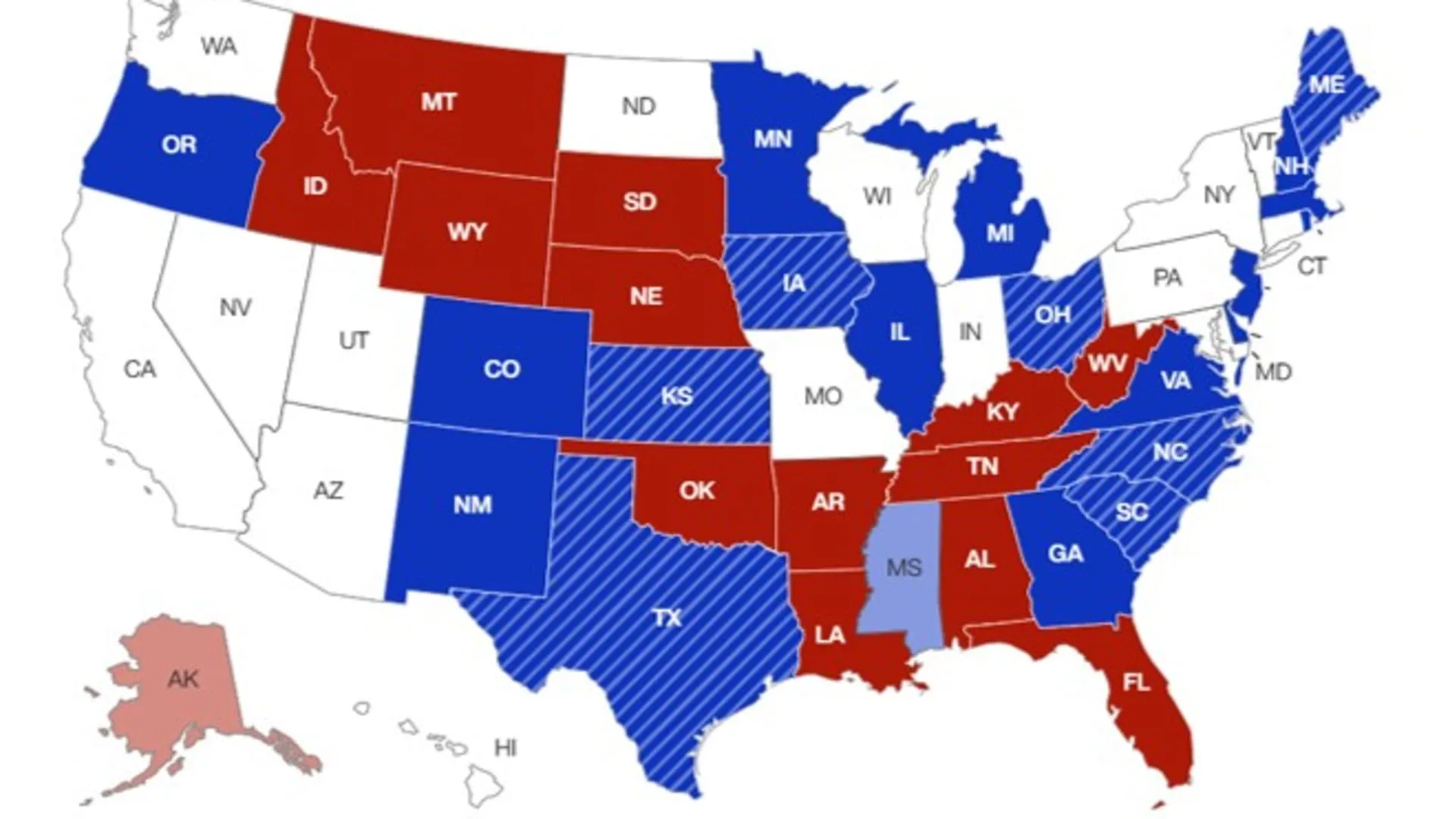
The Democratic Party swept House and Senate seats in the 2026 midterm elections, a result that reshaped the political landscape of the United States and gave them a strong bargaining position to challenge President Donald Trump's policy agenda. According to CNBC Election Desk projections as of Wednesday morning local time, Democrats are projected to secure at least 250 House seats, while Republicans hold at least 160 seats. In the Senate, Democrats lead with at least 54 seats, while Republicans are expected to control 42 seats.
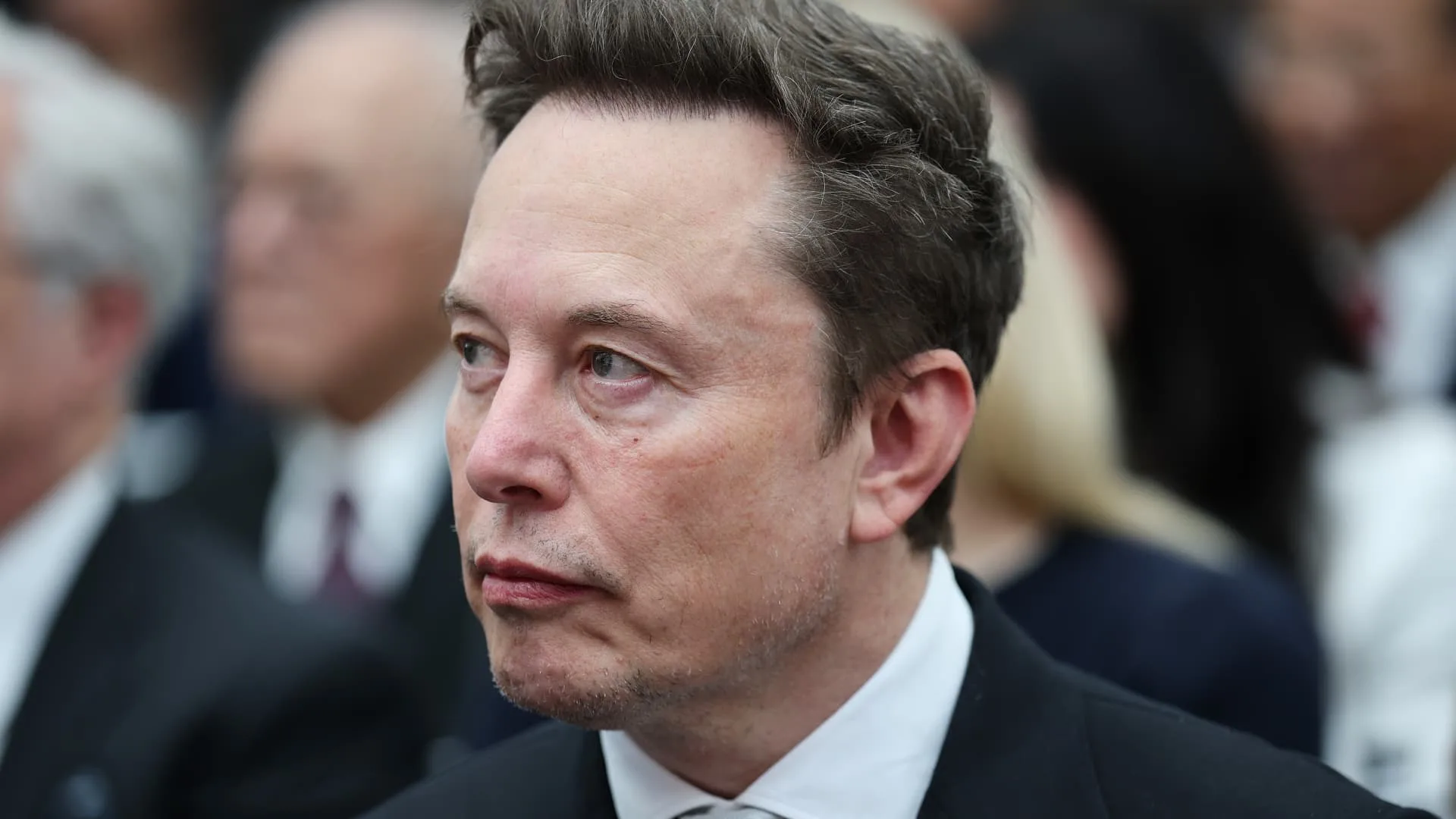
Victories in a number of districts that Republican state legislatures had previously designed to favor GOP candidates showed the scale of the wave of support for Democrats. One of the most striking wins was James Talarico in the Texas Senate race, who defeated Ken Paxton—the scandal-plagued state attorney general—even though Elon Musk poured an extraordinary US$224 million into backing Paxton. Overall, Musk spent at least US$474 million on this election cycle, with nearly half of it directed to Texas, according to CNBC's analysis of campaign finance records.
Control of Congress gives Democrats subpoena power to launch investigations into various controversial Trump administration policies. They are expected to highlight the financial gains enjoyed by Trump, his family, and his political allies since returning to the White House, harsh immigration enforcement, and the alleged use of the Department of Justice to target political opponents. On the other hand, the result also triggered market reactions: SpaceX and Tesla shares fell about 3.8% and 3.5% respectively as candidates backed by Musk were soundly defeated. Shares of AI companies also came under pressure after Democrats—known supporters of a data center moratorium—won in regions that are major data center hubs.
"The MAGA base is frustrated because Trump started a foreign war," Greg Swenson, chair of Republicans Overseas UK, told CNBC. Nevertheless, he said the president "doesn't have to change much" and will keep using veto power to maintain control over the regulatory environment, foreign policy, and the military.
At the local level, a wave of opposition to AI data center construction has emerged. Residents in several towns such as Ashville, Ohio, and Joliet Township, Illinois, rejected plans to build data center facilities. This aligns with a Pew Research survey showing Americans are growing uneasy about the environmental and energy costs of data centers. "This is a non-binding step, but given the size of the Democratic victory, politicians who want to stay in office will listen to this message," wrote Jim Bianco of Bianco Research.
Despite losing Congress, Trump still has room to maneuver on foreign policy. Laurel Rapp, director of the US and North America Program at Chatham House, said Trump will be "somewhat constrained" on oversight and investigations but "still has a lot of latitude" on foreign affairs. J.C. Lintzenich, a senior fellow at the German Marshall Fund, added that the president is "not a lame duck" because there are still pending actions on Iran and the unresolved Russia-Ukraine situation.
For Indonesia, the changed composition of the US Congress could affect the direction of trade and investment policy, including bilateral trade agreements and attitudes toward commodity exports. Pressure from a Congress now controlled by Democrats on Trump's foreign policy, especially regarding China and the Indo-Pacific region, could open new room for dialogue for Jakarta. However, with many Senate seats still undecided—Alaska and Mississippi—the final balance of power is not yet fully settled. The question is whether this blue wave will slow the pace of deregulation and push for tighter oversight of tech giants, or instead trigger more aggressive presidential vetoes?