Yamaha Boycotts MotoGP Qatar, Is F1 Next? Here Are the Implications
Baca dalam 60 detik
- Yamaha memutuskan mundur dari MotoGP Qatar, memicu kekhawatiran tentang dampak ke F1 di Qatar dan Abu Dhabi.
- Aksi boikot ini mencuatkan isu tata kelola olahraga motor dan solidaritas tim di tengah jadwal padat.
- Pengamat menilai langkah Yamaha bisa memicu efek domino, termasuk potensi protes serupa di ajang lain.

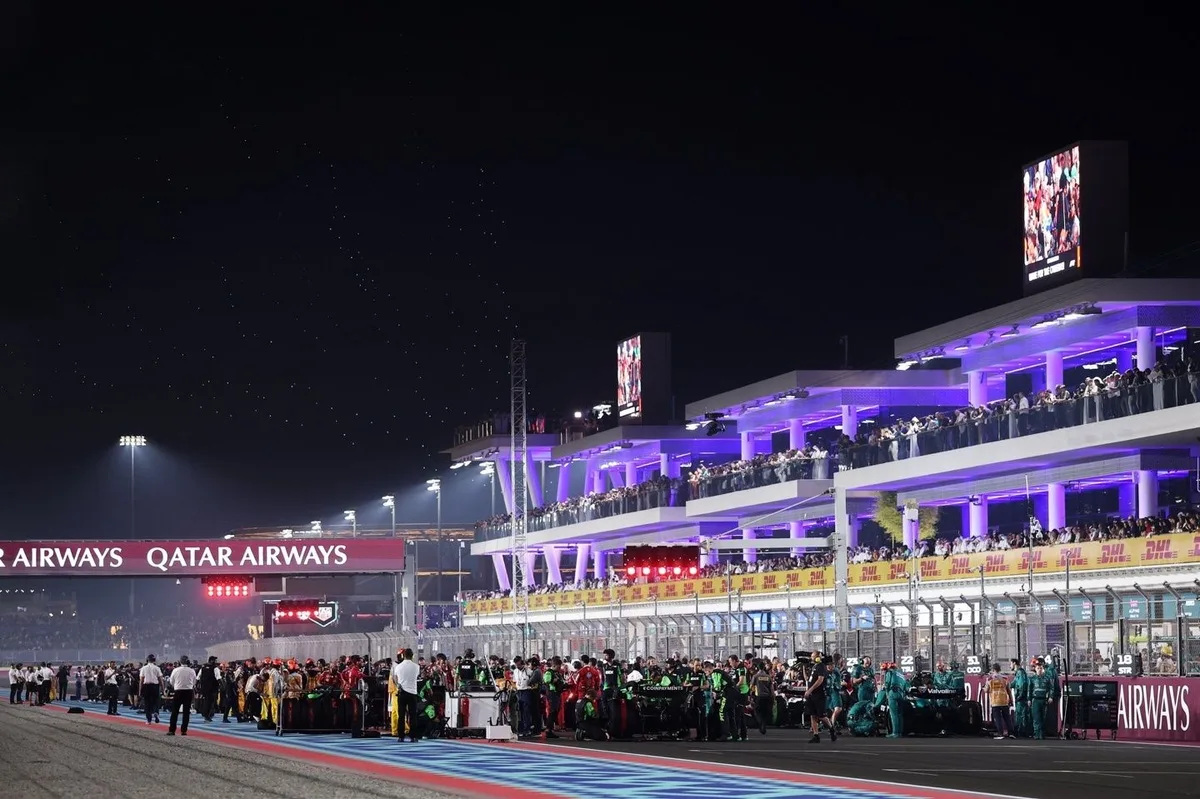
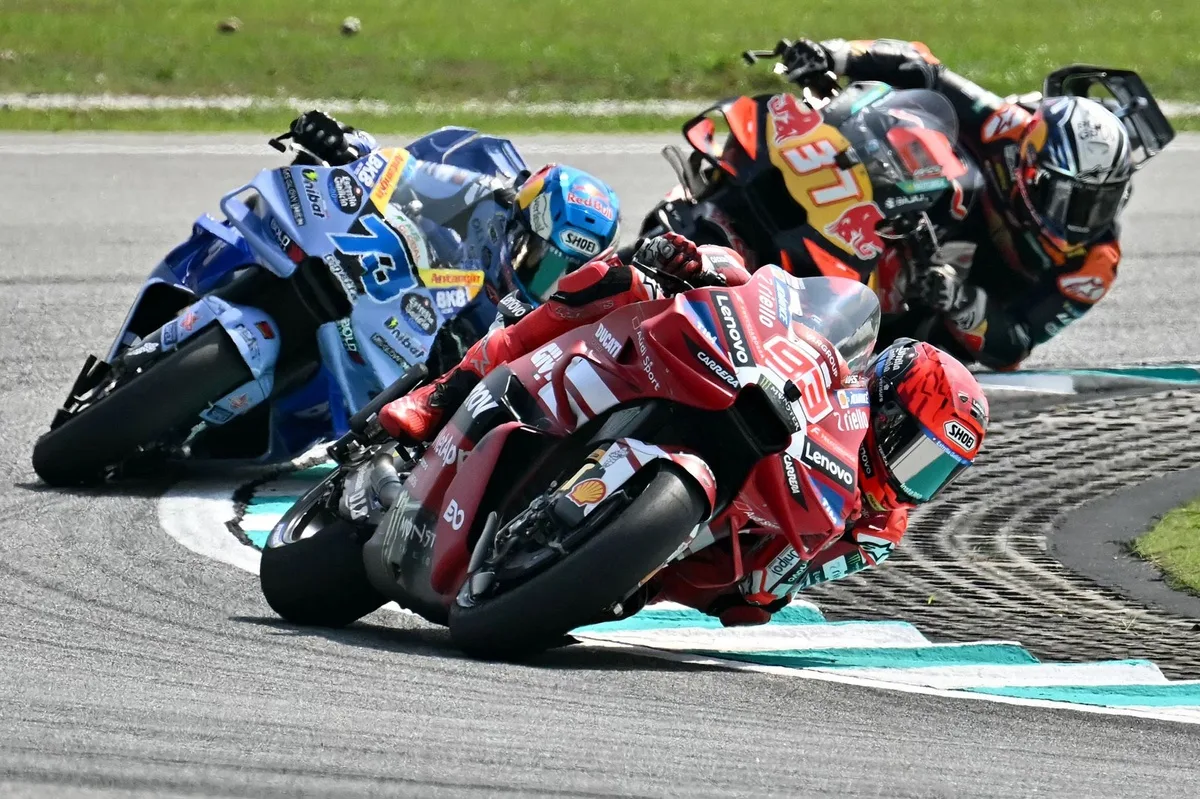
A surprise decision has come from the MotoGP paddock: Yamaha has chosen to withdraw from the Qatar Grand Prix, triggering widespread speculation about its impact on other racing series, especially Formula 1, which also holds races in Qatar and Abu Dhabi. The move signals new tension in the governance of international motorsport, just as the 2026 season enters a crucial phase.
Yamaha, one of the most influential manufacturers in MotoGP history, announced the boycott at an unusual moment. Although the official reasons have not been disclosed in detail, team insiders cite dissatisfaction with technical regulations and a schedule seen as burdensome. The decision came after a series of closed-door meetings with organizers that ended without agreement.
What complicates the situation further is that Qatar and Abu Dhabi host two prestigious events: MotoGP and F1. If the tension is not resolved soon, a similar wave of protests could well emerge in the F1 paddock. Several F1 teams have already voiced complaints about the packed calendar and uneven revenue distribution.
Motorsport analyst Carlo Pernat sees Yamaha's move as a serious warning to organizers. "This is not just about one team, but about the legitimacy of the championship. If major manufacturers feel unheard, they have the power to disrupt the ecosystem," he said, as quoted by Motorsport.com. Pernat added that Dorna, as MotoGP promoter, needs to hold an open dialogue immediately.
"We respect Yamaha's decision, but this is an alarm for all parties. We cannot ignore the teams' voices," said a MotoGP official who did not wish to be named.
For Indonesia, this dynamic deserves attention. As a country with a large MotoGP fan base and host of the Mandalika round, stability of organization is key. If the boycott spreads, the impact could be felt in sponsor appeal and broadcast value, which in turn affects regional revenue from the tourism sector. The government, through ITDC and MGPA, needs to anticipate the potential for similar turbulence in the future.
On the other hand, F1 itself is facing similar pressure. F1 CEO Stefano Domenicali has previously affirmed his commitment to the 24-race calendar, but several teams complain about the logistical burden. If Yamaha dares to take an extreme step, F1 teams could well follow with similar demands. Moreover, the Qatar and Abu Dhabi contracts will expire in the coming years, opening room for renegotiation.
The question is, will Yamaha's boycott set a bad precedent or instead trigger governance reform? All eyes are now on the emergency meeting between Dorna, the FIM, and the manufacturers scheduled for next week. If no common ground is found, the future of racing in the Middle East could hang in the balance.