Michigan Congresswoman Haley Stevens Backs Republican Mike Rogers, a Political Explosion Ahead of Senate Race
Baca dalam 60 detik
- Haley Stevens, anggota DPR dari Partai Demokrat, secara mengejutkan menyatakan dukungan kepada Mike Rogers dari Partai Republik untuk kursi Senat Michigan.
- Keputusan ini memicu kemarahan elite Demokrat, termasuk Chuck Schumer, dan berujung pada pengunduran diri sejumlah staf kantor kongres Stevens.
- Dukungan tersebut terjadi dua hari sebelum pemungutan suara, menambah ketegangan dalam pertarungan yang menentukan kendali Senat AS.
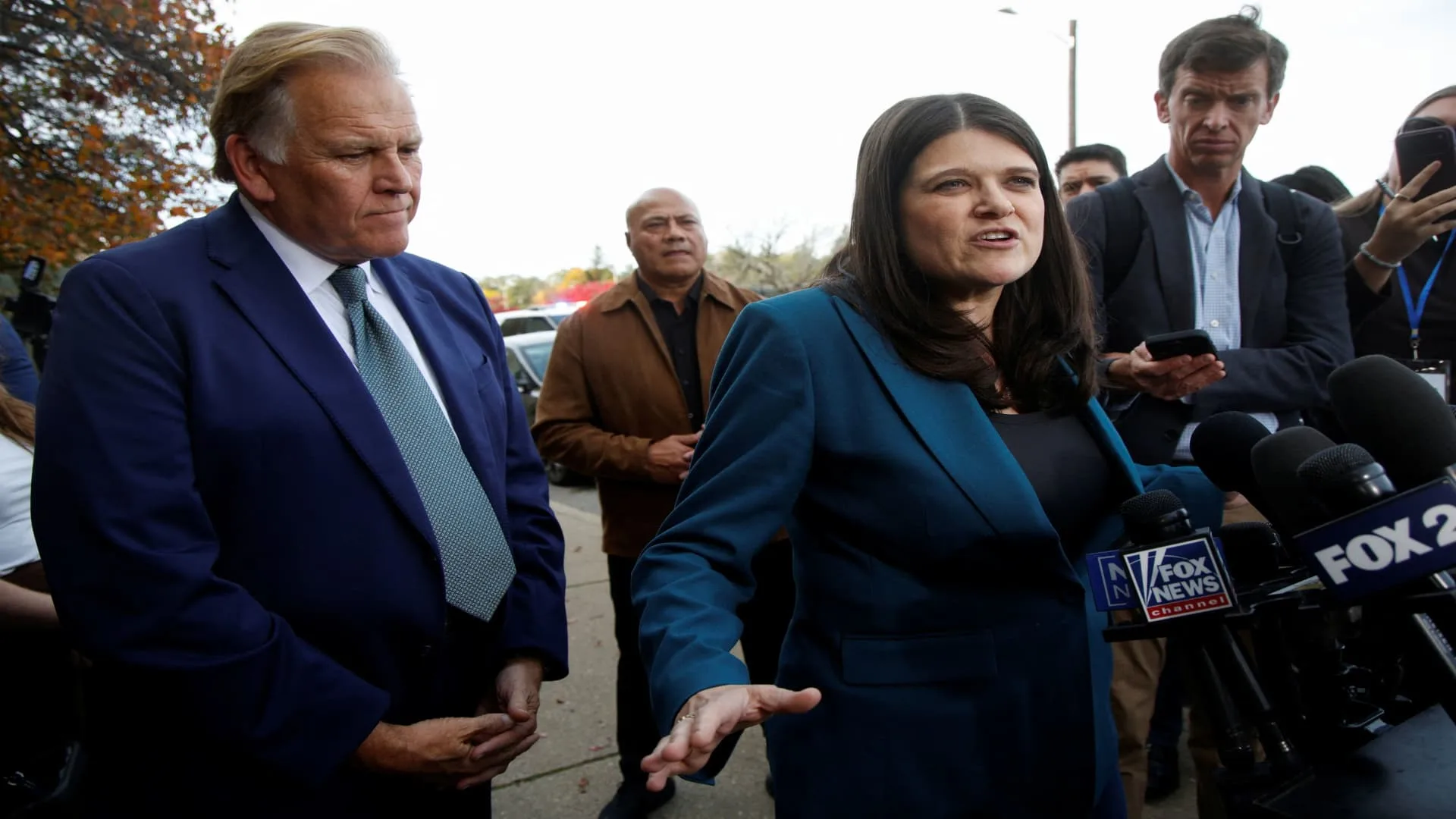
US Congresswoman from Michigan Haley Stevens made a political splash by endorsing Republican Senate candidate Mike Rogers over the candidate from her own party, Abdul El-Sayed. The move was announced just two days before voting day, making it one of the most dramatic political statements of the 2026 US election cycle.
Stevens, who previously lost to El-Sayed in the Democratic primary earlier this year, had earlier expressed support for El-Sayed. However, relations between the two deteriorated in recent days over a controversial ad from the political action committee Rebellion PAC that touched on families' ability to afford basic necessities in connection with US support for Israel. El-Sayed denied involvement in the ad.
Stevens' decision to switch to backing Rogers was not without consequences. Several staffers in her congressional office resigned in protest. Stevens' chief of staff of eight years, Justin German, said the team was shocked and heartbroken, and unanimously supported El-Sayed. Senate Minority Leader Chuck Schumer called Stevens' endorsement a disgraceful betrayal and stressed that Democrats remained solidly behind El-Sayed. Michigan Democratic Party Chair Curtis Hertel even implied that Stevens was no longer a member of the party.
"I'm sorry if some are disappointed. I understand that," Stevens said at a press conference in Detroit, accompanied by Rogers.
El-Sayed himself responded coolly. He said he was not thinking about Stevens and was more focused on the concerns of Michigan families about their children's education and the cost of living. Stevens' endorsement of Rogers drew praise from President Donald Trump via Truth Social, who called Stevens a highly respected Democrat with a large following.
Stevens' shift highlights deep divisions within the Democratic Party over foreign policy, particularly US support for Israel. Stevens is a staunch supporter of Israel, while El-Sayed accuses Israel of genocide in Gaza. The issue was one of the main factors that triggered the rift in the primary and continues to this day.
For Indonesia, this US political dynamic could influence the direction of Washington's foreign policy, including in the Indo-Pacific region. US domestic political instability often affects legislative priorities and foreign aid allocations, which indirectly affects trade and security relations with partner countries such as Indonesia. Investors and market players in Asia need to watch these developments because the US election results could affect global market sentiment and trade policy.
With voting just days away, the big question is how much impact Stevens' endorsement will have on El-Sayed's electability and the Democrats' chances of holding the Senate seat. If Rogers wins, the Republican majority in the Senate will be further cemented, while if El-Sayed holds on, he must face the test of a divided party's loyalty. Whatever the outcome, Stevens' maneuver has changed Michigan's political landscape and may leave a permanent scar on the Democratic Party.