Judge Tosses Trump's Lawsuit Against Murdoch and WSJ Over Epstein Letter, Appeal Becomes the Stake
Baca dalam 60 detik
- Hakim Federal Miami menolak gugatan pencemaran nama baik Trump terhadap Rupert Murdoch dan The Wall Street Journal dengan prejudice, sehingga tidak bisa diajukan ulang di pengadilan federal.
- Putusan menegaskan Trump selaku figur publik gagal membuktikan unsur actual malice dalam pemberitaan surat ulang tahun untuk Jeffrey Epstein.
- Tim hukum Trump menyatakan akan mengajukan banding, memperpanjang benturan antara kekuasaan eksekutif dan kebebasan pers di Amerika Serikat.
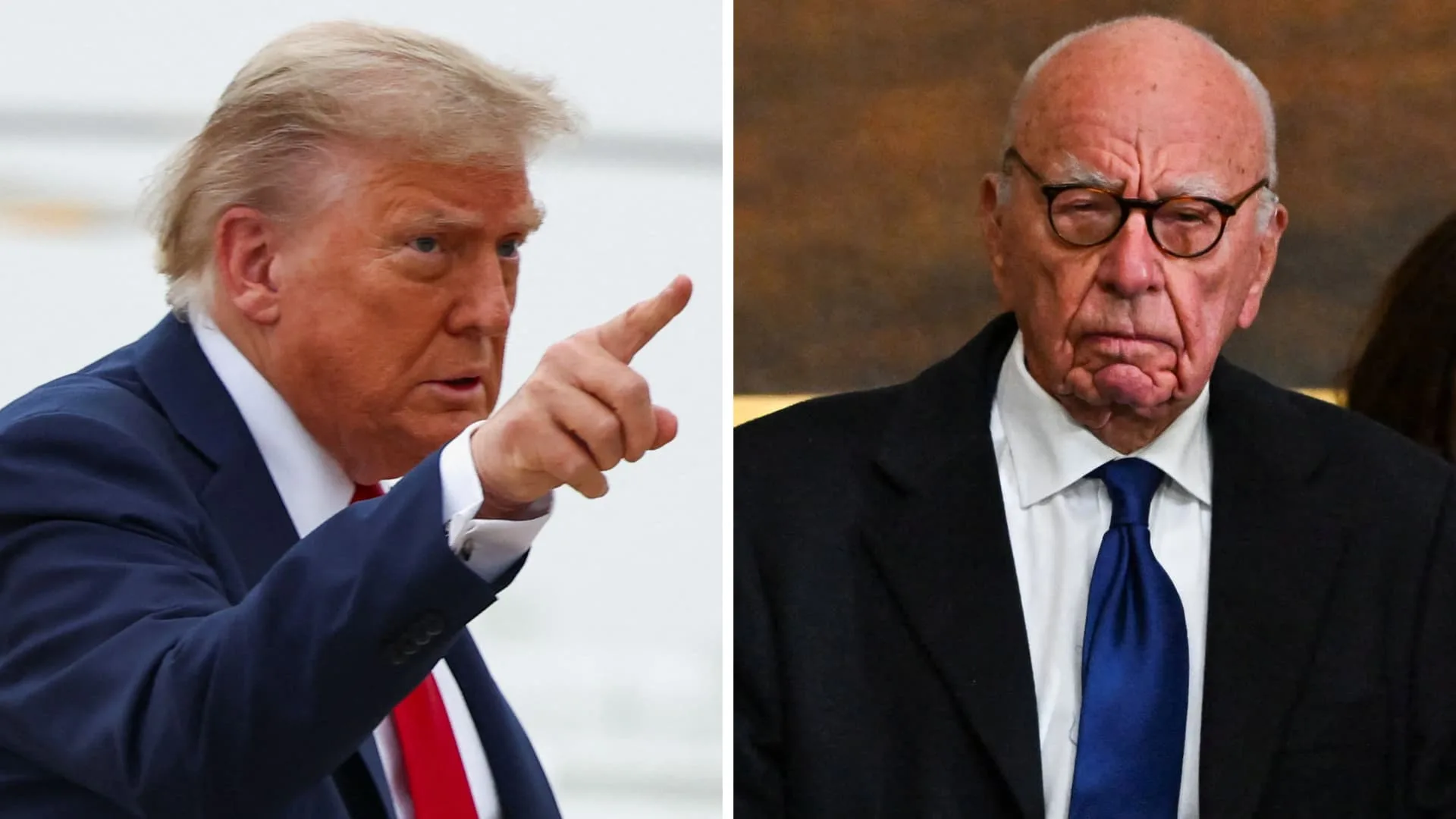
US President Donald Trump's US$10 billion lawsuit against Rupert Murdoch and The Wall Street Journal (WSJ) has failed at the Federal Court in Miami. District Judge Darrin Gayles on Saturday (31/10/2026) dismissed the amended defamation complaint with prejudice—a ruling that closes the door on Trump filing a similar claim in federal court.
In a 20-page ruling, Gayles found that Trump again failed to convincingly show that the defendants published the article in July 2025 with actual malice. “Just as with his first attempt, he fails,” Gayles wrote, describing the amended complaint as an effort to “impose defects on the investigation” the outlet had carried out.
The decision is the latest chapter in a series of legal disputes between Trump and the press. Previously, in April, Gayles also dismissed Trump's initial lawsuit but allowed a refiling. This time, the judge gave no further room. He even stressed that WSJ had conducted a “careful and detailed investigation” before publishing the controversial report.
The dispute stems from a WSJ article dated 17 July 2025 that examined a 50th birthday letter for Jeffrey Epstein. According to the report, the letter bore Trump's signature and was sent at the request of Ghislaine Maxwell, an Epstein associate later convicted in a sex trafficking case. WSJ described the letter as containing several lines of text framed by a sketch of a naked woman's body, with the signature “Donald” at the bottom. Trump strongly denied it and called it “a fake thing”.
In his amended complaint, Trump added several new arguments, including a claim that Murdoch had promised in a phone conversation that he “would take care of” the matter. However, Gayles rejected each argument in turn. He stressed that if the argument were accepted—that an article may not be published after a presidential denial—then public figures could block unfavorable coverage, something contrary to the First Amendment of the US Constitution, which guarantees freedom of speech and the press.
“We are pleased with the court's decision,” a spokesperson for publisher Dow Jones & Co. told CNBC.
Meanwhile, Trump's legal team said it would not stop. “President Trump will continue to pursue his big lawsuit against The Wall Street Journal and all other defendants,” a spokesperson said. He added that Trump would keep “holding accountable those who mislead the American people with fake news and defamation”.
The ruling is not the only legal front Trump faces in the press world. On 22 October, another federal judge in Miami ordered Trump to sit for a deposition in a US$10 billion defamation lawsuit against the BBC by no later than 11 December. That means the clash between Trump and the international media will continue for a long time, even as he returns to the presidency.
For the Indonesian public, this case is more than American political drama. Gayles' ruling reaffirms the principle that executive power cannot be used to silence media criticism through civil legal channels. At a time when many countries—including Indonesia—are still debating the line between criticism and defamation, this actual malice precedent is a mirror of how far democracies protect press freedom from pressure by public officials.
Notably, the judge did not decide whether Trump actually wrote the letter. He only found that WSJ had an adequate investigative basis to publish it. In other words, the real fight is not about the letter's authenticity, but about the standard of proof when a president feels harmed by coverage. If Trump's appeal succeeds, that standard could shift—and not only for the United States.