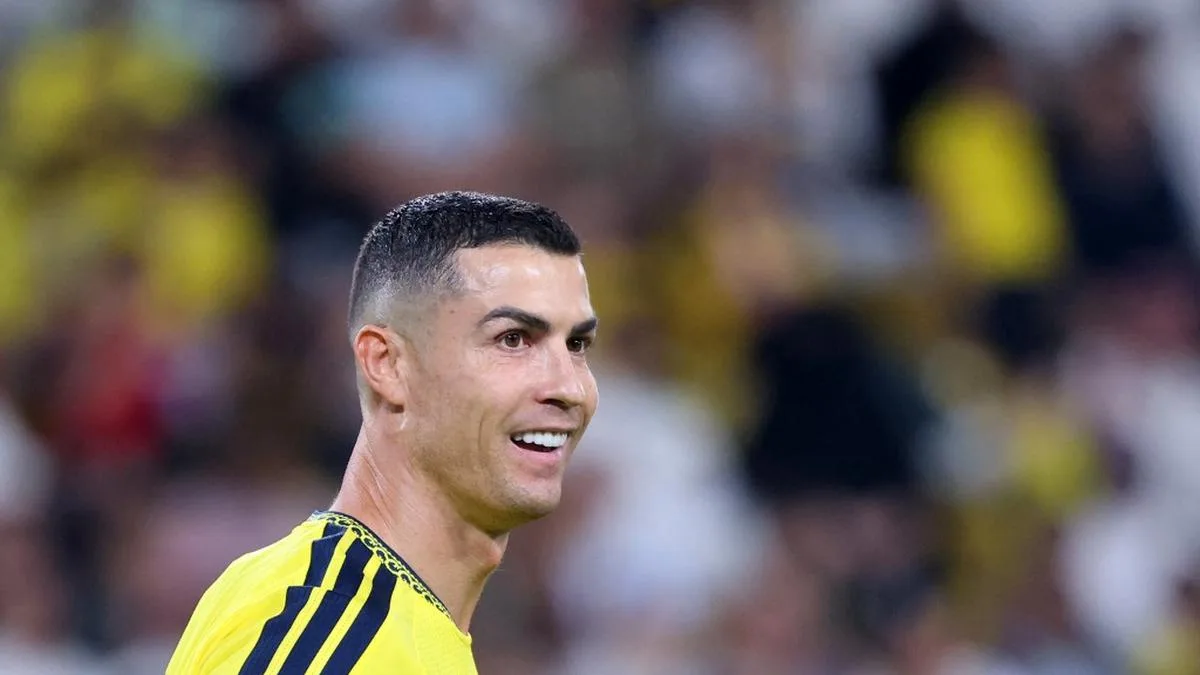
Bissouma, Tottenham's Financial Time Bomb: £51 Million Vanished Without a Trace
Baca dalam 60 detik
- Tottenham merogoh kocek total £51 juta untuk Yves Bissouma, namun sang gelandang hengkang gratis tanpa mendatangkan sepeser pun.
- Dengan 111 penampilan, biaya efektif per laga Bissouma mencapai £450 ribu—jauh melampaui kontribusi nyata di lapangan.
- Kegagalan ini menjadi cermin buruknya strategi transfer Spurs dalam beberapa tahun terakhir, termasuk kasus Richarlison yang bernasib serupa.
Tottenham Hotspur's decision to let Yves Bissouma leave for free in the last transfer window was not merely the loss of one player. It was the closing chapter of one of the most costly deals in the club's modern history: a total of £51 million vanished without a trace, without a trophy, and without any resale value.
Bissouma arrived from Brighton & Hove Albion in the summer of 2022 for a £30 million fee. The North London public was led to believe that the Mali midfielder would become the anchor of the midfield for a new era. In reality, four years later, he left on a free transfer, leaving a deep financial hole.
What makes this deal so bitter is not just the transfer figure. Over four seasons, Bissouma collected wages of around £21 million. In total, the club spent £51 million on a player who made only 111 appearances in all competitions—and just 11 appearances in his final season. That means every time Bissouma wore the Spurs jersey, the club paid around £450,000. A waste that is hard to justify for a defensive midfielder who was rarely a first-choice pick at the end of his tenure.
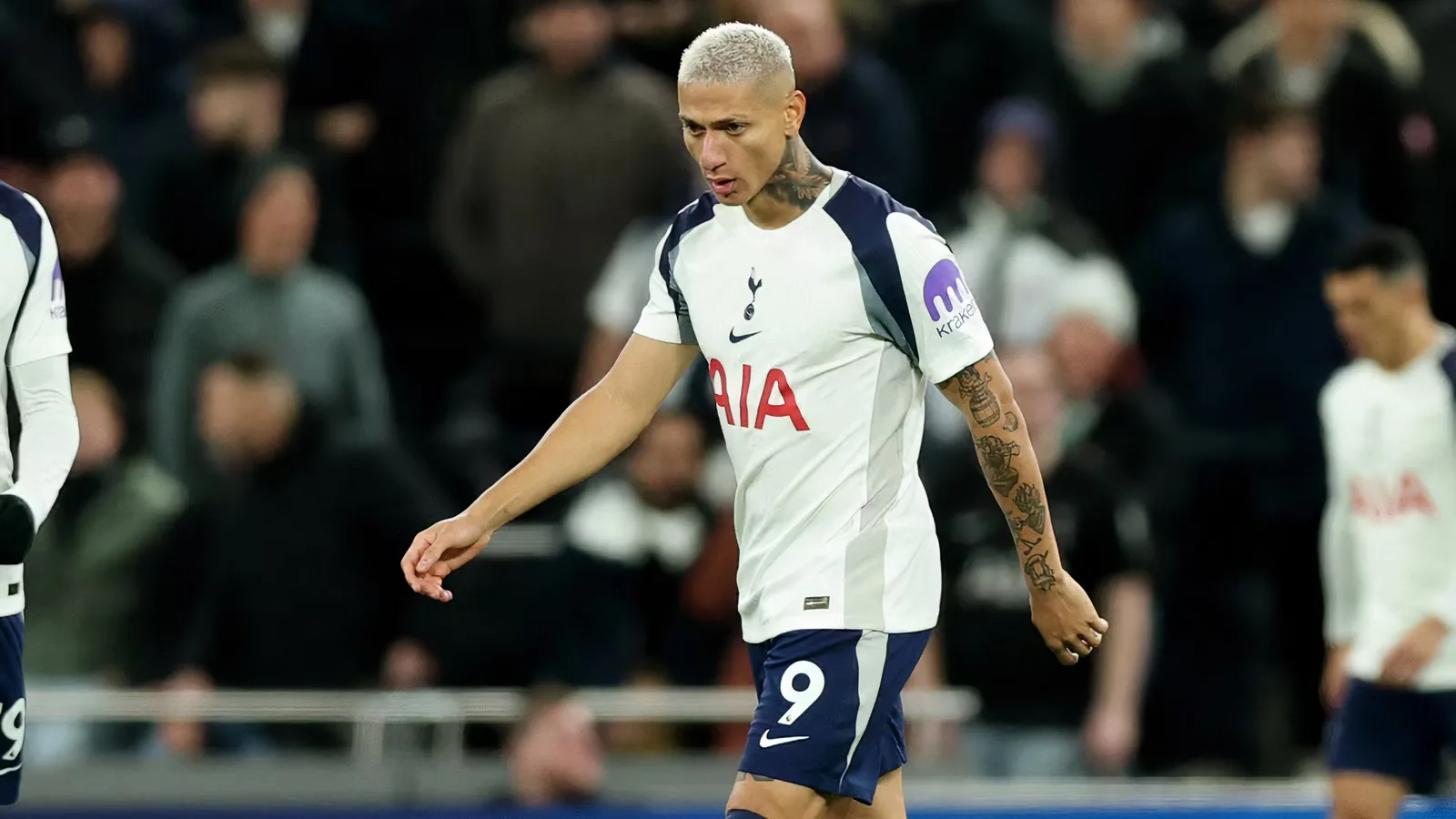
The Bissouma case is not an isolated incident. In recent years, Tottenham has often been caught in a pattern of expensive recruitment that ends in vain. Richarlison, signed for £50 million in 2022, has also failed to meet expectations. Although he was once a backup for Harry Kane, his 32 goals in 134 appearances do not match the investment. In fact, coach Roberto De Zerbi is reported to have removed Richarlison from the Premier League squad and moved him to the U21 team—a signal that the era of expensive players without results is beginning to end.
The failures of Bissouma and Richarlison reveal a fundamental weakness in Spurs' transfer strategy: too much focus on short-term potential without considering adaptation, consistency, and resale value. Bissouma, who was often involved in off-field controversies and prone to injuries, should have been a warning to the management. However, with more than £250 million spent in the last summer transfer window under De Zerbi, the risk of repeating the same mistakes remains wide open.
“Bissouma never did match expectations, but the way the club let him go for free is the pinnacle of a series of bad decisions,” said a transfer observer who declined to be named.
For Tottenham, the lesson from the Bissouma saga should be more than just an individual evaluation. The club needs to fix its scouting and contract negotiation systems so it no longer pays dearly for players who have no long-term plan. Amid increasingly tight financial competition in the Premier League, every wasted pound could be the difference between finishing in the top four and falling behind in mid-table.
Going forward, will the Spurs management learn from this mistake, or will it repeat it with a new face in the next transfer window? The answer will be visible in how they manage the remainder of last summer's big investment—and whether Richarlison becomes the next victim.