Green Party Cornwall Leader Defects to Labour Over 'Zionism Is Racism' Motion
Baca dalam 60 detik
- Drew Creek, pemimpin Green Party di Cornwall Council, resmi pindah ke Labour setelah moti kontroversial tentang Zionisme disahkan di konferensi partai.
- Keputusan ini memicu perdebatan internal dan eksternal, dengan Labour menyoroti kepemimpinan Zack Polanski yang dianggap memperkeruh situasi.
- Kasus ini menjadi ujian bagi partai-partai kecil di Inggris dalam menyeimbangkan kebebasan berpendapat dan disiplin partai menjelang pemilu lokal.
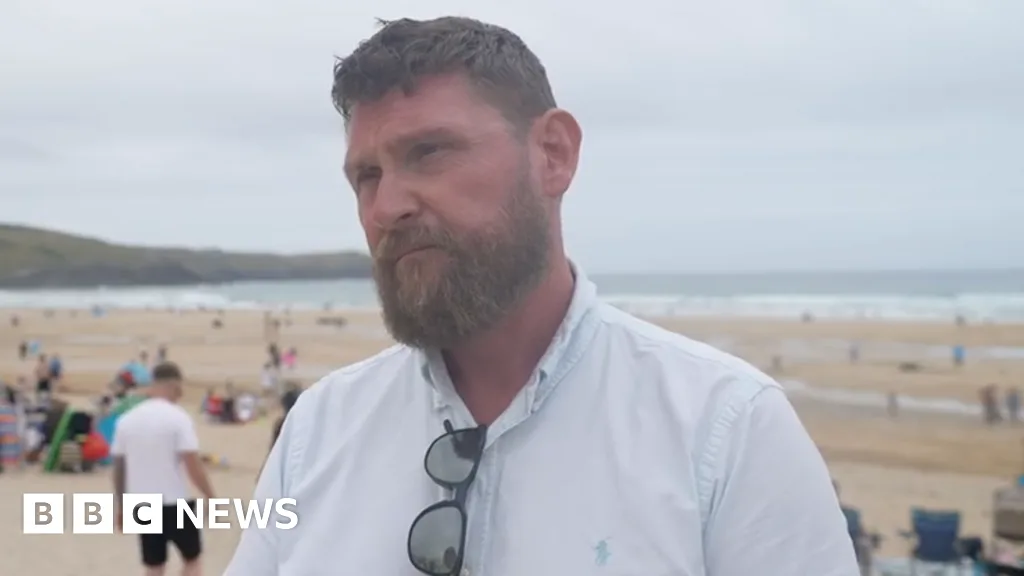
Drew Creek, who serves as the Green Party leader on Cornwall Council and Mayor of Newquay, announced his resignation from the party and his joining Labour and Co-operatives on Thursday (19/10). The move is a protest against a motion passed at the party conference earlier this month stating that Zionism is racism. Creek judged that the motion had crossed a line and was incompatible with the values he stands for.
The controversial motion defines Zionism as an ideology supporting the establishment of an ethnonationalist Jewish state in historic Palestine, with the aim of excluding or dominating the non-Jewish population. The conference decision drew criticism from various Jewish groups, several MPs from the Green Party itself, and opposition parties. Creek, long active in local politics, felt he could no longer support a party leadership he saw as increasingly hardline in defending that stance.
In his statement, Creek expressed disappointment with the direction of the Green Party leadership under Zack Polanski. He had hoped the party would review its stance, but the opposite happened. "I cannot stand behind that, and I will not pretend otherwise," he said. Creek stressed that the people of Newquay want politicians who unite rather than divide, and who focus on fixing infrastructure, coastal protection, and public services.
"People in Newquay do not want politicians who stir up division. They want someone who fixes the roads, protects our beaches, fights for local services, and brings people together. That is the kind of politics I believe in and that Andy Burnham has shown."
Creek's move to Labour was welcomed by his new colleagues. Kate Ewert, leader of the Labour and Co-operative Group on Cornwall Council, said the move highlighted serious questions about Polanski's leadership. Meanwhile, Noah Law, MP for St Austell and Newquay, praised Creek's courage in standing by his convictions amid political polarisation. Law said he had worked with Creek since his election and regarded him as a tireless advocate for Newquay.
On the other side, Cornwall Green Party expressed deep disappointment at Creek's decision. A party spokesperson stressed that they do not seek to impose uniformity of belief among members and elected representatives. They also emphasised that disagreement over the wording of the motion should not distract from the party's commitment to condemning genocide and ethnic cleansing carried out by Israel in Gaza and the occupied territories, and its call for tougher sanctions.
Creek's decision to leave reflects the challenge facing small parties like the Green Party in maintaining internal cohesion amid sensitive issues. The motion not only triggered division at the local level but could also affect the party's national electability. Some observers argue that the Green Party needs to balance freedom of expression and party discipline so as not to lose potential cadres.
For Labour, Creek's joining is an addition of strength at the local level, especially in Cornwall, which has long been a Green Party base. However, the move could also spark inter-party tension ahead of the next general election. Creek himself stressed that he will continue to fight for the interests of Newquay and its people, now through Labour.
The case also mirrors Indonesian politics, where parties are often faced with a similar dilemma when international issues enter the domestic arena. How do political parties in Indonesia handle internal disagreement without sacrificing democratic principles? The question is relevant given the strengthening of identity politics in various parts of the world.
Going forward, the Green Party faces the test of formulating a more inclusive position without losing its identity as a progressive party. Meanwhile, Labour needs to prove that Creek's move is not merely symbolic but the start of real change for Cornwall. Will this defection trigger a similar wave in other parties? Only time will tell, but one thing is certain: British politics is becoming more dynamic ahead of the election.