Google Faces Criminal Complaint in Finland: 400,000 Trees Felled Before Environmental Impact Assessment
Baca dalam 60 detik
- Polisi Finlandia membuka penyelidikan pidana terhadap anak perusahaan Google, Tuike Finland, atas dugaan pelanggaran lingkungan di lokasi pusat data di Muhos dan Otanmäki.
- Perusahaan dituduh menebang dan mengeringkan 330 hektare hutan sebelum menyelesaikan kajian dampak lingkungan yang diwajibkan hukum Finlandia.
- Kasus ini memicu petisi 93.000 tanda tangan dan bisa memengaruhi pemilu parlemen April mendatang, sementara Google berdalih telah bertindak sesuai pemahaman terbaik atas regulasi saat itu.
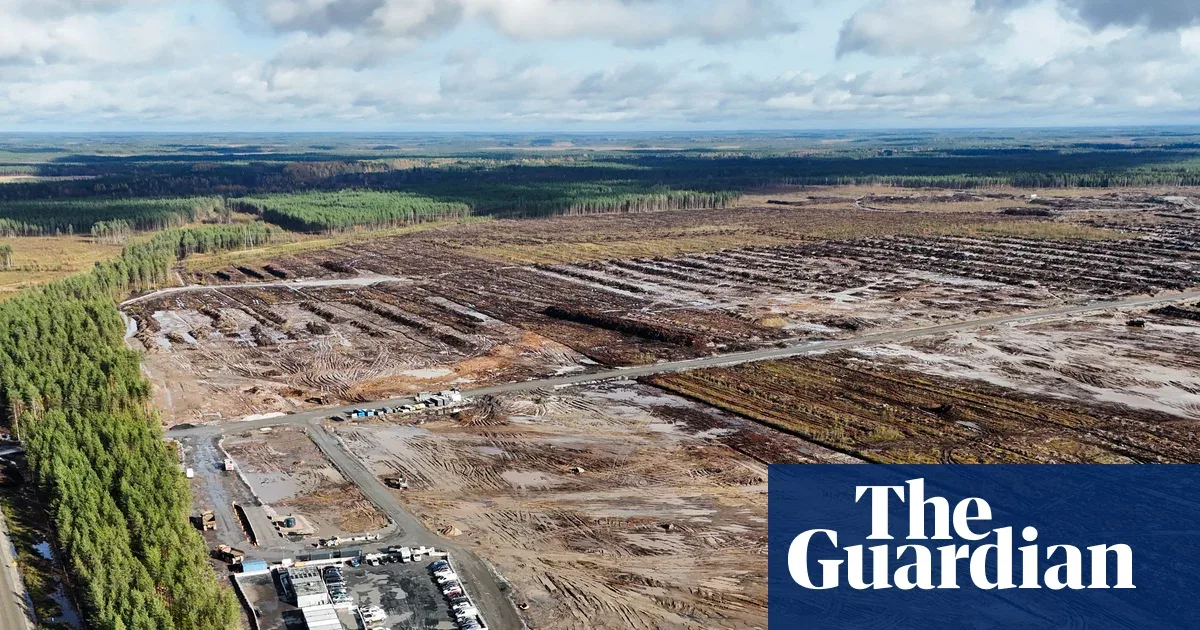
Finnish authorities have formally opened a criminal investigation into alleged environmental law violations by Tuike Finland, a Google subsidiary, in the Muhos forest area of northern Finland. Police suspect the company cleared and drained 330 hectares of land before the environmental impact assessment required by local law was completed. The move marks an escalation of the conflict between the ambition to expand digital infrastructure and the commitment to nature protection in the Nordic region.
According to a statement by the Finnish police, the investigation will focus on “ambiguities and shortcomings in drainage and water management” at the project site. Previously, the Environmental Supervisory Authority ordered Google to halt all “preparatory measures that alter the environment” at two locations—Muhos and Otanmäki, about 100 kilometers to the southeast. Activists estimate 250,000 trees have been felled in Muhos and 150,000 in Otanmäki, figures that clash with the company's claims of procedural compliance.
Google, through its country manager for Finland, Antti Järvinen, apologized for the forest clearing. He argued the company had acted on “the best understanding of the legislation in force at the time.” But the statement did not quell public anger. More than 93,000 people signed a petition demanding stricter data center regulation and compensation for environmental damage. The pressure could shake up the political map ahead of the parliamentary election in April.
Finland is indeed a magnet for tech giants thanks to geopolitical stability, land availability, and a cold climate that lowers data center cooling costs. The Finnish government has welcomed the investment. Prime Minister Petteri Orpo last September called the investment pull “a top priority” and promised “sustainable benefits” from the deal. But this illegal logging scandal raises a fundamental question: how large are the economic benefits of data centers for the host country?
Jussi Kangasharju, a professor of computer science at the University of Helsinki, assesses the benefits of data centers for Finland as minimal. “They are international companies serving international customers. Data centers ultimately provide only small benefits to parties other than their own operators,” he said. This view reinforces the argument that the fiscal incentives and regulatory ease granted by the government may not be commensurate with the environmental damage and energy burden they cause.
Google's case in Finland is not merely a matter of corporate compliance. It serves as a mirror for other countries, including Indonesia, which are aggressively courting data center investment. Indonesia has an ambitious target to become Southeast Asia's digital hub, with several large data center projects under construction in Batam, Jakarta, and surrounding areas. The lesson from Finland shows that accelerated investment without strict environmental oversight can trigger social and legal conflict. Environmental impact assessment regulations, often treated as a formality, need to be enforced consistently, especially when giant-scale projects sacrifice the living space of indigenous communities and tropical forests.
“Based on preliminary information, there are ambiguities and shortcomings in drainage and water management at the construction site of the Tuike Finland Oy data center project. The criminal investigation will examine, among other things, the circumstances related to these issues.” — Finnish Police
Google itself faces a reputational dilemma. The €13 billion project, claimed to be the largest investment in Europe, is now tarnished by alleged legal violations. The company has promised to improve environmental governance, but public trust has been shaken. The Finnish government is also in a difficult position: on one hand it wants to maintain the investment climate, on the other it must uphold the rule of environmental law. The April election will test the ruling party in balancing these two interests.
Going forward, this criminal investigation could set a precedent for environmental law enforcement in the digital economy sector. If Google is found guilty, the sanctions imposed will have not only financial impact but also strengthen global demands for tech companies to be accountable for the ecological footprint of their infrastructure. The question is, will other countries follow Finland's lead in demanding transparency and accountability from data centers, or will they loosen the rules in pursuit of investment?