House Yet to Discuss Anti-Corruption Law Revision, Focuses on Asset Forfeiture Bill
Baca dalam 60 detik
- Komisi III DPR menegaskan revisi UU Tipikor belum masuk agenda pembahasan parlemen.
- Pemerintah melalui Yusril dan Luhut mendorong kajian ulang definisi korupsi, tetapi DPR menilai aturan yang ada sudah memadai.
- RUU Perampasan Aset menjadi prioritas hingga akhir tahun, sementara revisi UU Tipikor masih sebatas wacana.
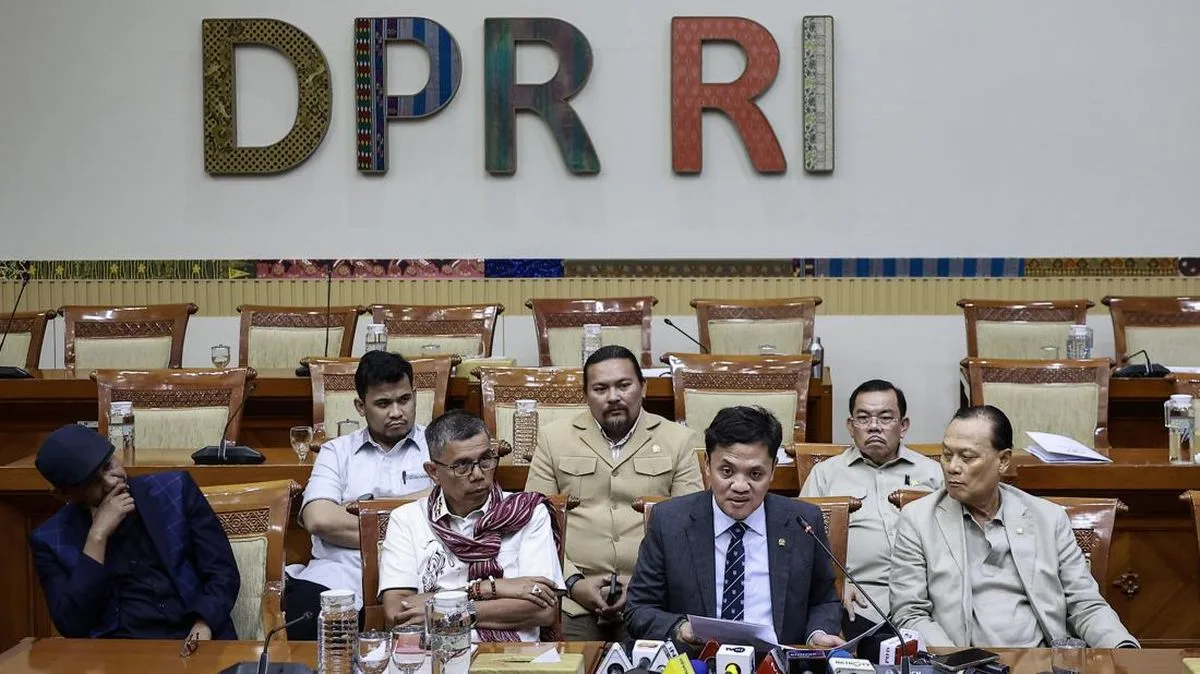
Member of Commission III of the Indonesian House of Representatives (DPR RI), Rudianto Lallo, said there has so far been no official discussion of the revision of Law No. 20 of 2001 on the Eradication of Corruption (UU Tipikor). The statement also responds to pressure from a number of government officials who argue the rule needs updating.
According to the NasDem Party politician, Commission III's legislative agenda through the end of the year remains centered on drafting the Asset Forfeiture Bill (RUU Perampasan Aset). "Not yet, it's still a dialectic. We cannot speak on behalf of the commission because this is a personal opinion," Lallo said when contacted on Tuesday (27/10).
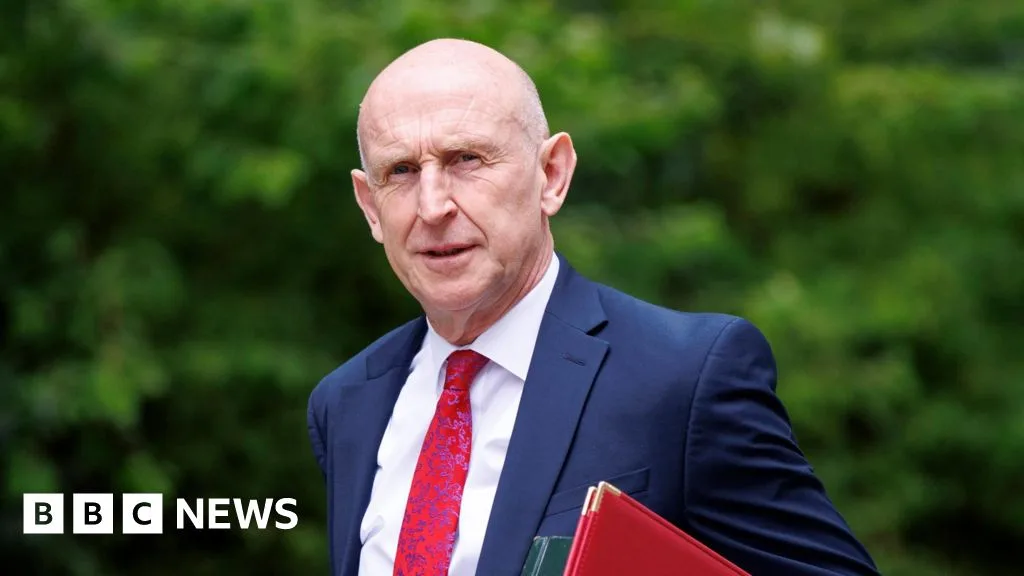
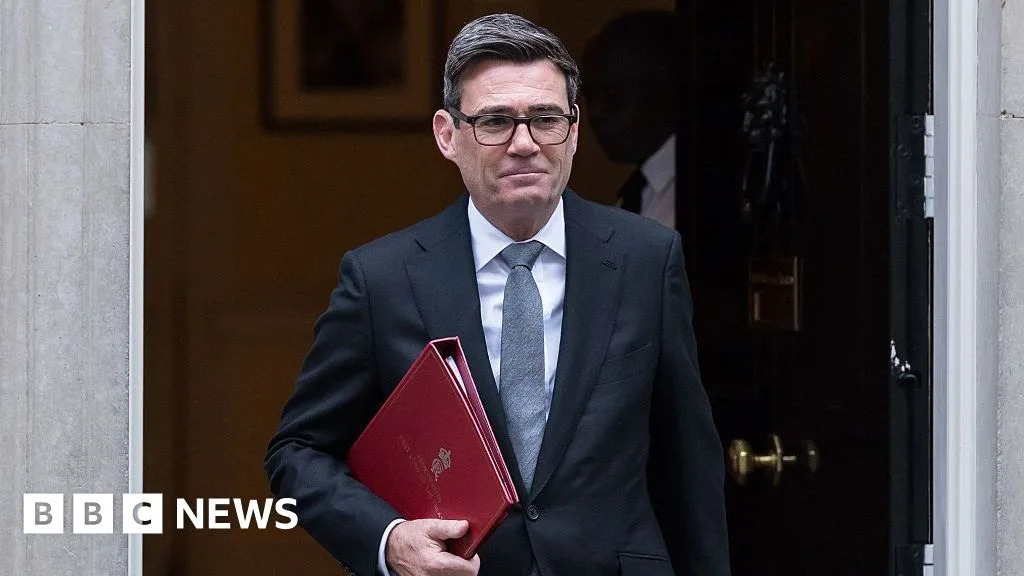
Lallo's statement comes amid maneuvering by two senior officials: National Economic Council (DEN) Chair Luhut Binsar Pandjaitan and Coordinating Minister for Law, Human Rights, Immigration, and Corrections Yusril Ihza Mahendra. Both are pushing for a study to redefine the category of corruption through an amendment to UU Tipikor. Yusril even stressed the need for synchronization with the revisions of the Criminal Code (KUHP) and the Criminal Procedure Code (KUHAP), as well as with the UN Convention against Corruption (UNCAC), which Indonesia ratified through Law No. 7 of 2006.
Lallo is not closing the door if the government wants to revise UU Tipikor. However, he reminded that the substance of corruption eradication is currently regulated in various legal instruments, from the KUHP and the Money Laundering Law (UU TPPU) to the Asset Forfeiture Bill targeted for completion this December. "Whether the government sees a need to revise, go ahead," he said.
What stands out, according to Lallo, is not merely the completeness of regulations but the integrity of law enforcement officers. "No matter how good the substance of a rule is, if enforcement is weak, it's still difficult," he added. This view implies that revising UU Tipikor will not automatically resolve corruption problems unless it is accompanied by improved performance of law enforcement institutions.
"We cannot speak on behalf of the commission because this is a personal opinion," — Rudianto Lallo, Member of Commission III of the DPR RI.
The push to revise UU Tipikor itself emerged alongside the ongoing revisions of the KUHP and KUHAP. Yusril considers UU Tipikor needs to be aligned with UNCAC, particularly regarding a broader definition of corruption. However, in parliament, the proposal has not become a priority. Commission III is said to still be waiting for political dialectics and further study from the government.
If the government officially proposes a revision of UU Tipikor, the DPR will consider input from various parties, including academics and civil society organizations. However, so far no presidential letter or official proposal has reached parliament. Lallo stressed that his side will not be proactive without a request from the government.
Indonesia context: This debate arises as Indonesia still faces major challenges in eradicating corruption. Indonesia's Corruption Perceptions Index (CPI) in 2025 stood at 34 out of 100, down two points from the previous year. Some view the revision of UU Tipikor as a step backward if it actually weakens anti-corruption efforts. Conversely, the government argues the revision is needed to align with international standards and increasingly sophisticated corruption methods.
Going forward, the public will watch whether the revision of UU Tipikor truly enters the 2027 National Legislation Program (Prolegnas). If not, this discourse risks becoming mere political rhetoric ahead of the political year. Meanwhile, the Asset Forfeiture Bill, which is the DPR's priority, will be the first test of the government's and parliament's commitment to strengthening the anti-corruption regime without having to change the existing definition.