Superyacht Show in Monaco: A Symbol of Inequality and Runaway Emissions
Baca dalam 60 detik
- Pameran kapal pesiar super mewah di Monaco mempertontonkan 118 unit kapal senilai total €4,5 miliar, dengan ukuran rata-rata yang terus membesar meski jumlah pesanan global sedikit menurun.
- Studi Oxfam mengungkap 23 kapal pesiar super milik 18 miliarder menghasilkan rata-rata 5.672 ton CO2 per tahun—setara emisi 860 tahun seorang warga biasa.
- Para pemilik kapal pesiar super, yang dijuluki 'borjuasi super global', kerap mendaftarkan kapal di negara bendera seperti Cayman dan Malta untuk menghindari pajak dan regulasi lingkungan.
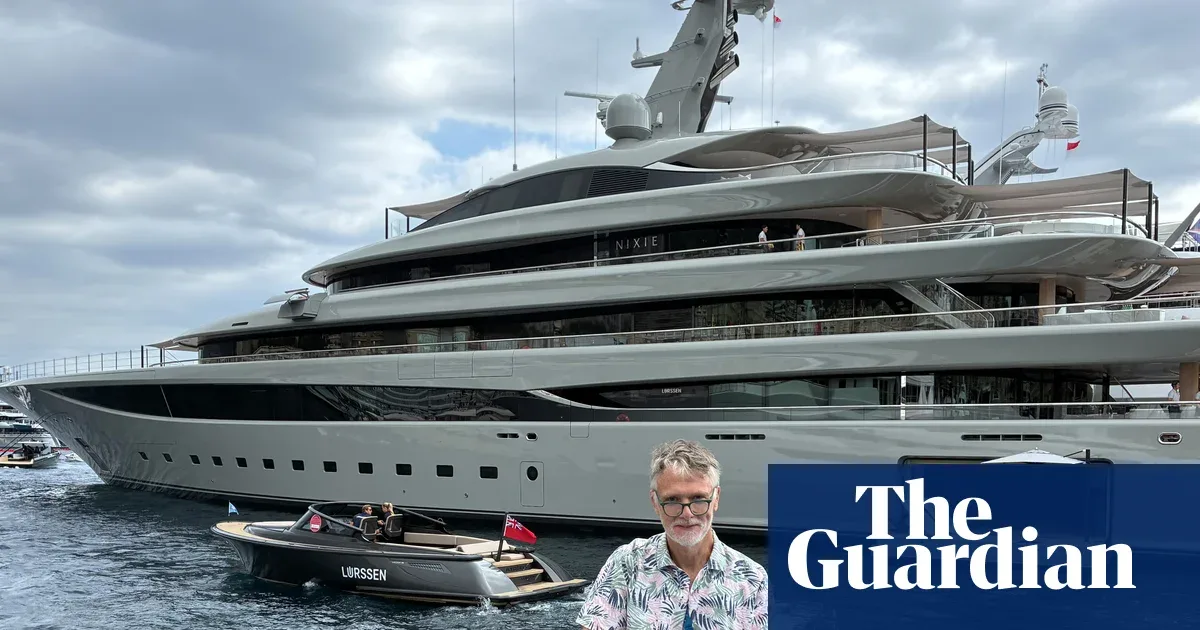
At Port Hercules, Monaco, the Monaco Yacht Show 2026 once again displayed superyachts with a combined value of €4.5 billion. Yet behind the splendor lies a serious problem: a giant carbon footprint and increasingly sharp social inequality. The show mirrors how a handful of the world's richest people enjoy an extreme lifestyle amid a threatening climate crisis.
Data from the Global Order Book tracked by Boat International shows 1,093 superyachts under construction worldwide in 2026, up from 755 in 2016. Although the number fell 3.95% from last year, the average size of the vessels has grown. In Monaco this year, 118 vessels are on display with a combined length of 5,508 meters. The trend is clear: fewer, but bigger and more expensive.
This luxury has not escaped criticism. Grégory Salle, a researcher at the French National Centre for Scientific Research and author of the book Superyachts: Luxury, Tranquility and Ecocide, calls superyachts "a symbol of unjustifiable excess wealth". According to him, amid economic crisis and widespread poverty, superyacht ownership feels like a provocation. Salle also highlights the phenomenon of "conspicuous seclusion"—these vessels are designed to be seen, yet their interiors are hidden and they can quickly sail away from ordinary society.
The environmental impact cannot be ignored. Large vessels consume more than 500 liters of diesel per hour, releasing CO2, nitrogen oxides, and sulfur dioxide. Even when docked, generators keep running to meet "hotel load" needs such as air conditioning, stabilization systems, and hot tubs. In addition, giant anchors and chains damage Posidonia seagrass meadows on the Mediterranean seabed, a vital habitat for marine life and a source of oxygen.
"Superyachts have become a symbol of unjustifiable excess wealth. It looks like a provocation, especially when you only hear about crisis, austerity, and poverty," said Grégory Salle.
Oxfam in a 2024 study exposed this extreme inequality. They identified 23 superyachts owned by 18 billionaires and estimated the average annual carbon footprint of each at 5,672 tons. For an ordinary citizen, that figure is equivalent to 860 years of emissions. The Walton family is the most striking example: their three superyachts traveled 56,000 nautical miles in a year with total emissions of 18,000 tons of CO2—equivalent to the emissions of about 1,700 Walmart employees.
Superyacht ownership is also often hidden behind shell company and trust structures in jurisdictions such as the Cayman Islands, the Marshall Islands, the Isle of Man, and Malta. These flag states offer tax neutrality and looser regulation. Even vessels under 500 gross tons can avoid the stricter safety and environmental rules of the International Maritime Organisation (IMO). For example, the Fast50 by Baglietto has a gross tonnage of 499—just below the threshold—so it is not subject to more frequent survey requirements and crew restrictions.
Despite sustainability initiatives such as the Blue Wake Awards, such efforts are seen as mere greenwashing. Restoring 3,000 square meters of Posidonia seagrass over five years amounts to only a 55x55 meter area—not comparable to the damage caused. The trend toward diesel-powered vessels also remains dominant, while sailing vessels are declining.
In Indonesia, the superyacht issue may not yet be a major concern, but similar patterns of inequality and environmental exploitation could emerge as the economy grows. This archipelagic country has potential for high-end marine tourism, but without strict regulation, the risk of damage to coastal ecosystems—such as seagrass and coral reefs—could recur. The lesson from Monaco should push the government and industry players to make sustainability a primary requirement, not merely an accessory.
Looking ahead, a question arises: will there be firm limits on this extreme lifestyle? Or will we keep watching those giant vessels sail, leaving ever-deeper carbon footprints and inequality in their wake?