Not Seven Years: Divorce in England and Wales Peaks After 20 Years of Marriage
Baca dalam 60 detik
- Data ONS mencatat 26% perceraian pasangan heteroseksual di Inggris dan Wales pada 2025 terjadi setelah pernikahan berlangsung dua dekade atau lebih.
- Fenomena ini diduga kuat karena pasangan memilih bertahan demi anak, sementara tekanan biaya hidup menunda keputusan berpisah.
- Tren serupa meluas di Amerika Serikat, memunculkan kekhawatiran soal keamanan finansial dan kesejahteraan sosial para 'grey divorcee'.
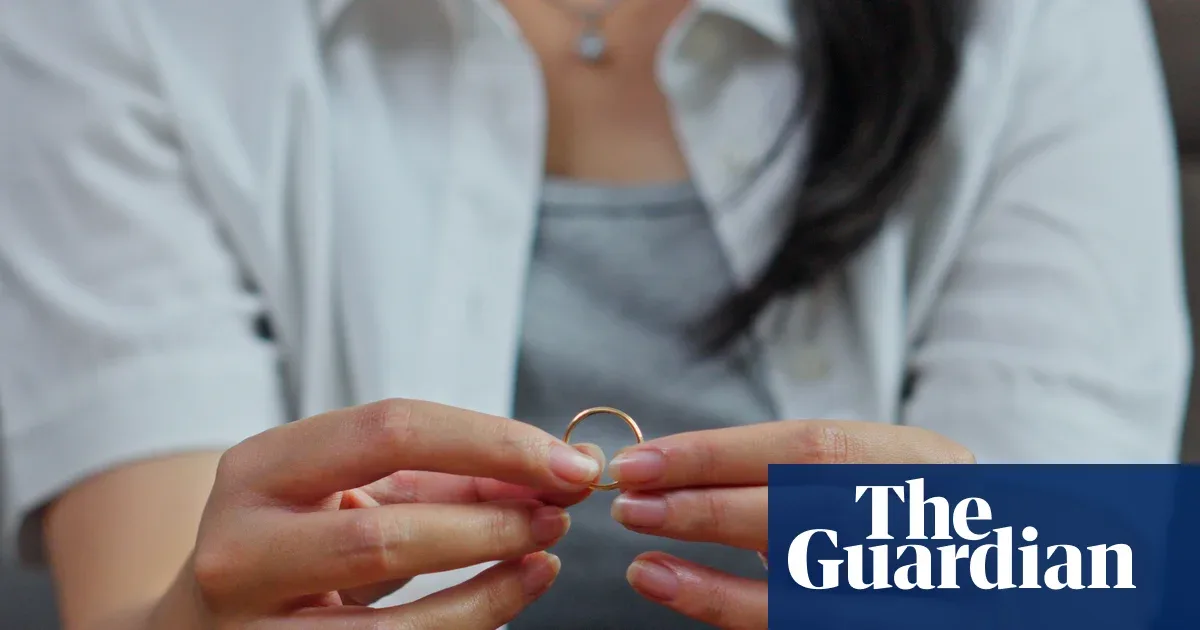
The latest official figures from the Office for National Statistics (ONS) overturn the old myth of the “seven-year itch” in marriage. Throughout 2025, more than a quarter—26%, to be exact—of divorces among opposite-sex couples in England and Wales occurred after the marriage had reached 20 years or more. This marks a shift in the household landscape, in which cracks appear after decades together.
Of the total 102,879 divorces among heterosexual couples last year, those who lasted 20 years or more now account for the largest share. Meanwhile, couples married for five to nine years—long considered the most vulnerable phase—fell to second place with 23%. Only twice in the history of record-keeping since 1963 has the five-to-nine-year category been pushed from the top spot, and one of those occurred in the mid-1980s due to a change in the law that cut the minimum waiting period for divorce.
This phenomenon is not merely statistics. In England, the average length of a marriage ending in divorce in 2025 reached 13 years, the highest since records began and far above the lowest point of 8.9 years in 1985. In other words, couples now stay together longer before finally deciding to separate. Several divorce lawyers assess that this trend is closely tied to a commitment to keeping the family intact for the sake of the children.
“Long-marriage cases dominate my practice. Staying together for the children is a reality that genuinely happens,” said Lisa Pepper, a divorce lawyer at Osbornes Law, as quoted by the Sunday Times.
However, there is another factor that is no less powerful: economic pressure. Rebecca Aston-Jones, a senior associate at the law firm Clarke Willmott, revealed that the high cost of maintaining two separate households is the main obstacle for unhappy couples to divorce. “The financial burden of setting up and maintaining two households often makes people postpone divorce,” she said. As a result, the decision to separate is often delayed until finances allow, which frequently only happens after two decades.
This trend also reflects a broader shift in social values. An analysis by the US law firm Weinberger notes that lifelong marriage is no longer regarded as the pinnacle of successful adulthood, especially in more progressive regions. Individuals with sufficient financial resources feel freer to break away from an unhappy marriage to enjoy their golden years. This phenomenon, known as “grey divorce,” is also on the rise, with a Pew Research study showing that the divorce rate after 20 years in the US has doubled since the 1990s.
Nevertheless, researchers warn of the financial and social consequences of divorce at an older age. “Grey divorcees tend to be less financially secure than married or widowed adults, especially women. Living alone in old age can be detrimental to financial comfort and, for men, to satisfaction in social life,” the Pew researchers warned.
For Indonesia, this dynamic can serve as a mirror. Although national divorce data is dominated by economic factors and disputes, long marriage durations before separation are also beginning to appear in several regions. Pressure from the cost of living and strong social norms to preserve the family often lead couples to postpone divorce, even when tension has long existed. If this global trend continues, Indonesia may need to pay attention to its long-term impact on the welfare of the elderly and family stability.
Going forward, the question is no longer about the “seven-year itch,” but about how social policy and financial support can help couples make decisions without being trapped in an unhealthy marriage. Will the institution of marriage increasingly shift into a more flexible long-term contract, or, on the contrary, be preserved ever more for economic reasons and children? Time will tell, but the ONS data has already given a clear signal that the map of divorce is changing.