UK Pea Consumption Falls to 50-Year Low, Here's What's Driving It
Baca dalam 60 detik
- Rata-rata orang Inggris hanya makan 37 gram kacang polong per pekan pada 2025, turun drastis dari 144 gram pada 1975.
- Meski 90% kacang polong yang dikonsumsi diproduksi dalam negeri, generasi Z mulai kehilangan ikatan budaya dengan sayuran ini.
- Berbagai kreasi resep dari sup hingga kue diharapkan mampu membangkitkan kembali minat pasar dan menyelamatkan industri.
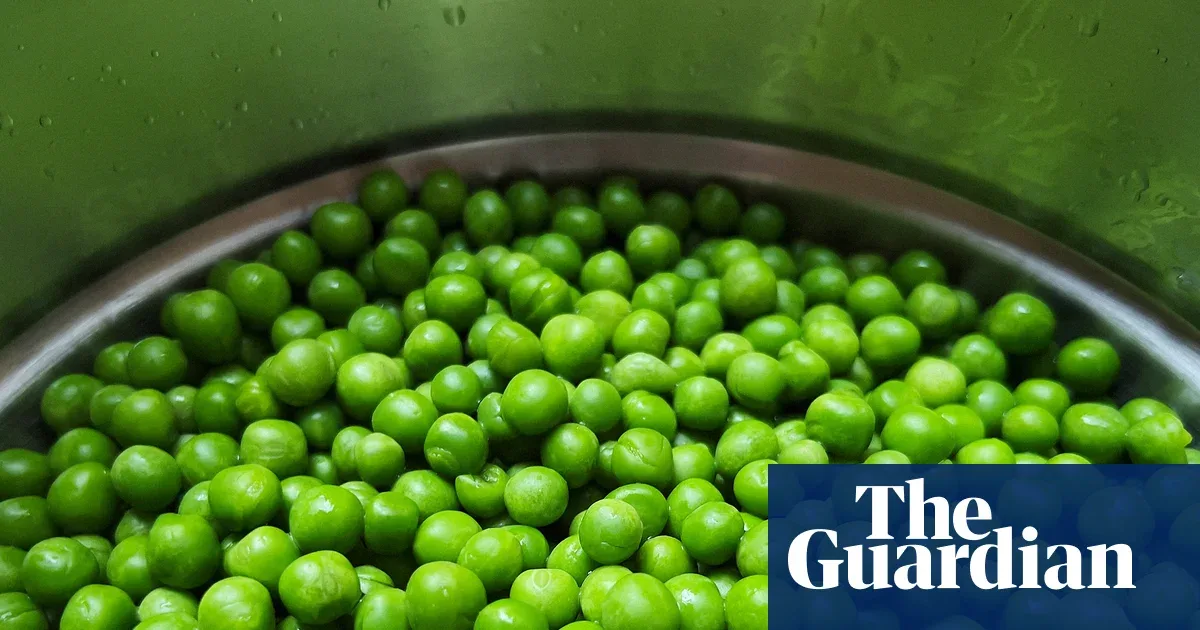
Peas, a vegetable that for decades has been an icon of the British dinner table, now face a bitter reality. The latest data from the Department for Environment, Food and Rural Affairs (Defra) shows pea consumption in the UK has dropped to its lowest level in 50 years. In 2025, the average Briton consumed only 37 grams of peas per week—a figure far shrunken compared with 144 grams per week in 1975. The decline is not merely a change in taste but a signal of pressure on the domestic farming industry that has long been the backbone of supply.
Interestingly, peas are not actually a foreign commodity. About 90% of the peas consumed in the UK are grown domestically, and the country produces around 160,000 tons of frozen peas each year. That means the decline in consumption could directly hit local farmers. Yet a survey reveals that only 22% of Gen Z associate peas with British identity—an irony amid loudly promoted local food campaigns.
The phenomenon is inseparable from the perception that peas are an "ordinary" vegetable that is easy to find, and are therefore often overlooked. In fact, nutritionally, peas are rich in plant protein, fiber, and vitamins. In a global context, declining consumption of pod vegetables is also occurring in various developed countries, often because of a preference for processed and convenient foods. In the UK, however, the impact is felt more sharply because of peas' position as part of the culinary heritage.
To reverse the trend, a number of chefs and food writers are offering a range of creative recipes—from classic soup, dip with mint and feta, chorizo risotto, to unusual desserts such as sorbet and pea cake. This approach aligns with a food diversification strategy that emphasizes the importance of turning local ingredients into appealing dishes. In Indonesia, peas are also known as an ingredient in soups, stir-fries, or pastel fillings, though their consumption is still less popular than other vegetables such as spinach or water spinach. The British story can serve as a mirror of how fragile food security is when a commodity loses its cultural relevance.
"Frozen peas are actually fresher than fresh peas because they are chilled immediately within 150 minutes of being picked," said Felicity Cloake, as quoted in the recipe article.
The UK government faces a dual challenge: encouraging domestic consumption while maintaining farmers' competitiveness. Various food education initiatives and "eat local" campaigns may need to target younger generations so that the cultural bond with peas does not loosen further. Meanwhile, the frozen processing industry benefits from the flexibility of long-lasting peas but still needs stable market demand.
Going forward, the question is whether peas can win back the hearts of British consumers, or whether they will be increasingly displaced by more instant modern food choices. For Indonesia, this dynamic is a reminder that food security is not only about production but also about rebuilding the emotional relationship between younger generations and local food ingredients.