Five Days in the Press Room: A Bitter Lesson from Trump's Hiring Policy
Baca dalam 60 detik
- Katie Zacharia resmi meninggalkan posisi juru bicara Gedung Putih setelah hanya lima hari bertugas, memicu spekulasi tentang standar seleksi pejabat di era Trump.
- Kegagalan Zacharia menyoroti pola rekrutmen yang mengutamakan citra televisi dan loyalitas ketimbang kompetensi substantif, dengan dampak langsung pada kredibilitas institusi.
- Insiden ini memunculkan pertanyaan tentang efektivitas peran juru bicara di tengah gaya komunikasi presiden yang mendominasi narasi publik secara langsung.
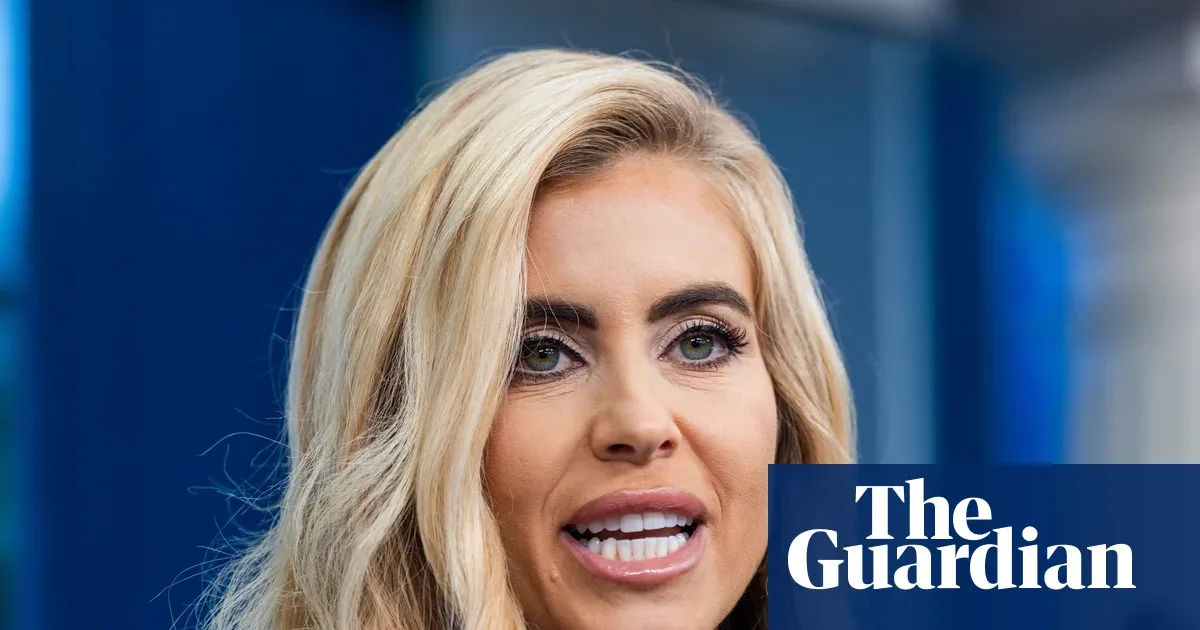
Katie Zacharia officially left her post as White House press secretary on Friday (16/10/2026), marking the end of the shortest tenure in the history of the position—just five days. The decision was announced after a series of public appearances deemed failures, including a poorly prepared debut briefing and an interview with a conservative outlet that only worsened her position.
Zacharia, previously known as a television figure, was reportedly chosen directly by President Donald Trump after he saw her on screen. She was even said to actively monitor the president's public schedule and Trump's active hours on Truth Social to predict when the president was watching television, then time her appearances to catch his eye. But that image-based strategy could not hide her weak grasp of the dynamics of the press room.
Zacharia's failure was not merely a matter of individual capacity. She became a mirror of how the selection criteria for officials in Trump's orbit often rest on loyalty and media appeal rather than professional track record. In her first briefing, she appeared overwhelmed by reporters' questions. Instead of easing the pressure, she widened the controversy by calling the Daily Mail a media outlet “not known to be conservative”—a claim the public quickly rebutted.
Pressure peaked when Zacharia was interviewed by Fox News host Sean Hannity, who is usually friendly to the Trump administration. Hannity questioned why she did not openly acknowledge that she had once failed the bar exam. “Why not just say: I graduated from Pepperdine, took a different career path, and failed the bar once?” Hannity said, as quoted. The question highlighted the vulnerability of Zacharia's legal credentials, which had long been in the spotlight.
In a separate interview on Fox & Friends, host Lawrence Jones asked whether Zacharia still had the president's confidence. Her answer was brief: “I'm still standing here,” referring to the interview location on the White House North Lawn. But a few hours later, the White House confirmed her departure. The public widely noted the irony of a press secretary who became a headline because of her failure, not because of the message she delivered.
“There was no way for this woman to succeed. It takes years to be ready to do that job. Not days or hours. I spent 20 years preparing for my first briefing,” said Joe Lockhart, a former White House press secretary under Bill Clinton, in a phone interview.
Lockhart added that Zacharia's decision to appear before the press without adequate preparation was a fatal misjudgment. He also highlighted how Trump tends to choose figures based on image and loyalty rather than capability. This pattern, according to him, has lowered the standards of the presidential institution. “Trump demeans everything he touches. He wants everything to reflect him,” he said.
Zacharia's failure is not the first case. During Trump's first term, Michael Flynn resigned as national security adviser after 23 days. In the second term, a number of controversial officials such as Kristi Noem, Robert F. Kennedy Jr., and Pete Hegseth drew criticism over questioned competence. This pattern raises questions about the extent to which loyalty and media appearance are dominant factors in personnel decisions at the White House.
Political observer Kurt Bardella assessed that the incident shows the limits of a recruitment model based on television impressions. “We have seen this repeatedly: the president picks figures for very important positions solely based on how they look on friendly cable shows,” he said. He pointed to the consequences of foreign policy seen as failed, such as the war in Iran, as evidence that the approach is unsustainable.
For Indonesia, this dynamic is a mirror of how public communication in an era of strong leadership tends to place the spokesperson as a mouthpiece rather than a guardian of information credibility. At the same time, professionalism and readiness to face the press remain the main prerequisites for public officials in any democracy. When a spokesperson loses credibility, public trust in the institution erodes with it.
Zacharia will likely remain a presence in conservative media with the label “former White House press secretary,” much as Scaramucci has capitalized on his status. But for the White House, finding a replacement is the next test: will Trump again choose based on screen charisma, or begin to consider substantive competence? The public waits, while the briefing room remains a stage that shows no mercy to those who arrive unprepared.