Amazon Releases Bee AI Devices: Record Conversations, Turn Them Into Shopping Recommendations
Baca dalam 60 detik
- Amazon meluncurkan Bee Frontier dan Bee Eclipse, perangkat AI yang merekam percakapan untuk menghasilkan ringkasan dan saran produk.
- Integrasi dengan Amazon.com memungkinkan obrolan sehari-hari menjadi rekomendasi belanja, meski hanya lewat langganan Bee Pro.
- Privasi menjadi sorotan karena data transkrip dan sinyal belanja berpotensi membentuk profil konsumen jangka panjang.
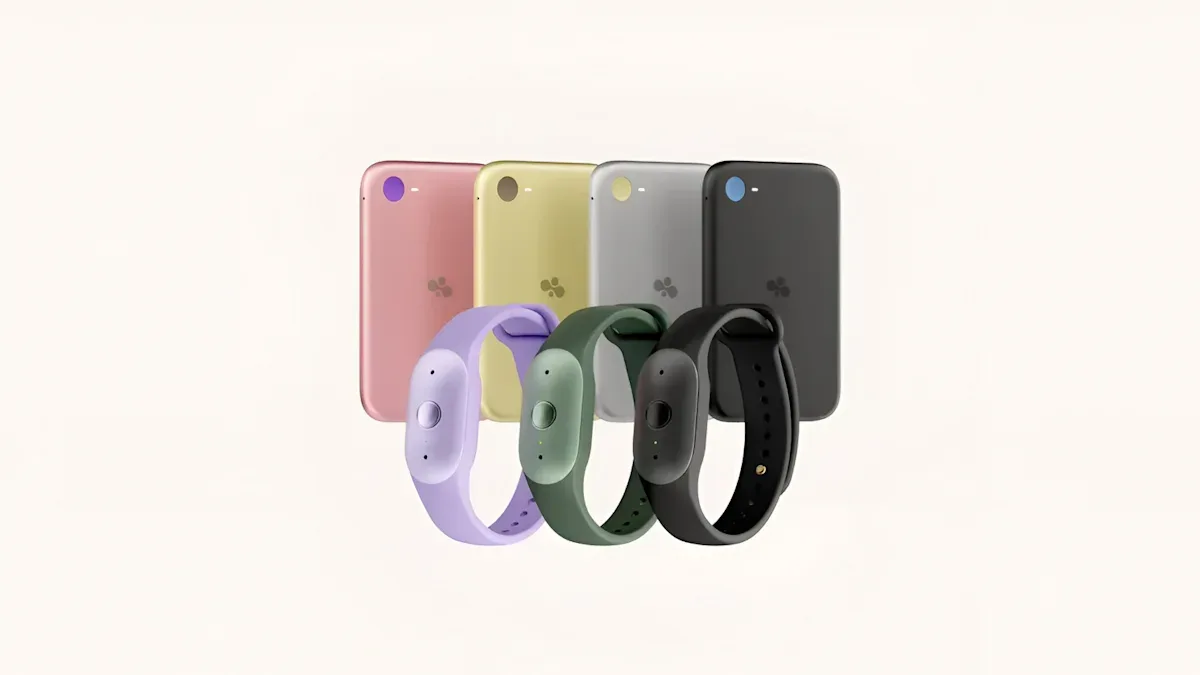
Amazon officially announced the arrival of Bee Frontier and Bee Eclipse, two AI devices designed to record, summarize, and follow up on users' conversations. The move marks an expansion of Amazon's ambitions in ambient computing, where devices no longer wait for explicit voice commands but actively listen to turn conversations into shopping signals.
Bee Frontier comes as a device that can be worn on the wrist or clipped to clothing, priced at US$74.99. The device features dual microphones, IP67 water resistance, battery life of up to seven days, and USB-C charging. Bee Eclipse takes a different approach: the size of a credit card, it attaches magnetically to the back of a phone, is priced from US$99.99, and is claimed to last more than 21 days. Both are already available in the United States, though Eclipse is still listed as 'coming soon'.
How Bee works is fairly simple yet controversial. Once activated, the device records conversations and turns them into structured summaries, reminders, and to-do lists. Integration with Google Calendar and Microsoft Outlook lets Bee Pro users add events, set reminders, and draft emails. Amazon positions the device as a tool for capturing easily forgotten details, such as meeting outcomes, informal plans, or shopping lists.
What sets Bee apart from other recording devices is its connection to Amazon's retail recommendation engine. If a user mentions needing a new blender or replacement running shoes, those words can turn into product recommendations that appear on the Amazon homepage or inside the Bee app. Amazon stresses that this integration is optional through the Bee Pro subscription, but the path is direct: your words become suggestions for them.
Amazon states that raw audio is never stored and cannot be accessed or shared. Transcripts and summaries are encrypted and controlled by the user, so they can be deleted. However, existing documentation does not fully explain how Amazon uses transcripts, inferred preferences, and shopping signals over the long term.
On privacy, Amazon includes a physical activation button and a recording indicator on Bee Frontier. Users are also asked to obtain other participants' consent before recording. Nevertheless, questions about downstream data handling remain. As ambient devices become more common, concerns about tracking consumer behavior through transcript data grow more relevant.
Bee does not arrive in a vacuum. The market for wearable AI recorders is already occupied by devices such as Plaud Note and similar products. However, Bee stands out because it explicitly links conversational context to a retail recommendation engine. How comfortable users are with this connection will determine whether Bee feels like a personal assistant or the opposite.
For Indonesian consumers, the implications of Bee's arrival deserve attention. Although the device is not yet officially marketed in the country, a business model that combines listening AI with a giant e-commerce platform could set a precedent. If adopted by local players, the online shopping landscape could shift from active search to conversation-based recommendations. The question is how ready Indonesian consumers are to trade conversational privacy for shopping convenience.