Generative AI for the Public Seen as Lacking Strong Basis, Platforms Begin Restricting Slop Content
Baca dalam 60 detik
- Sejumlah platform media sosial kini menyediakan opsi untuk mengurangi paparan konten buatan AI, setelah keluhan pengguna soal 'AI slop' meningkat.
- Para pengembang AI menyadari risiko penyalahgunaan, tetapi tetap mendorong adopsi massal demi mengejar pengembalian investasi besar.
- Pakar menilai AI generatif hanya layak untuk penggunaan spesifik dengan pengawasan manusia, bukan untuk konsumsi publik luas.
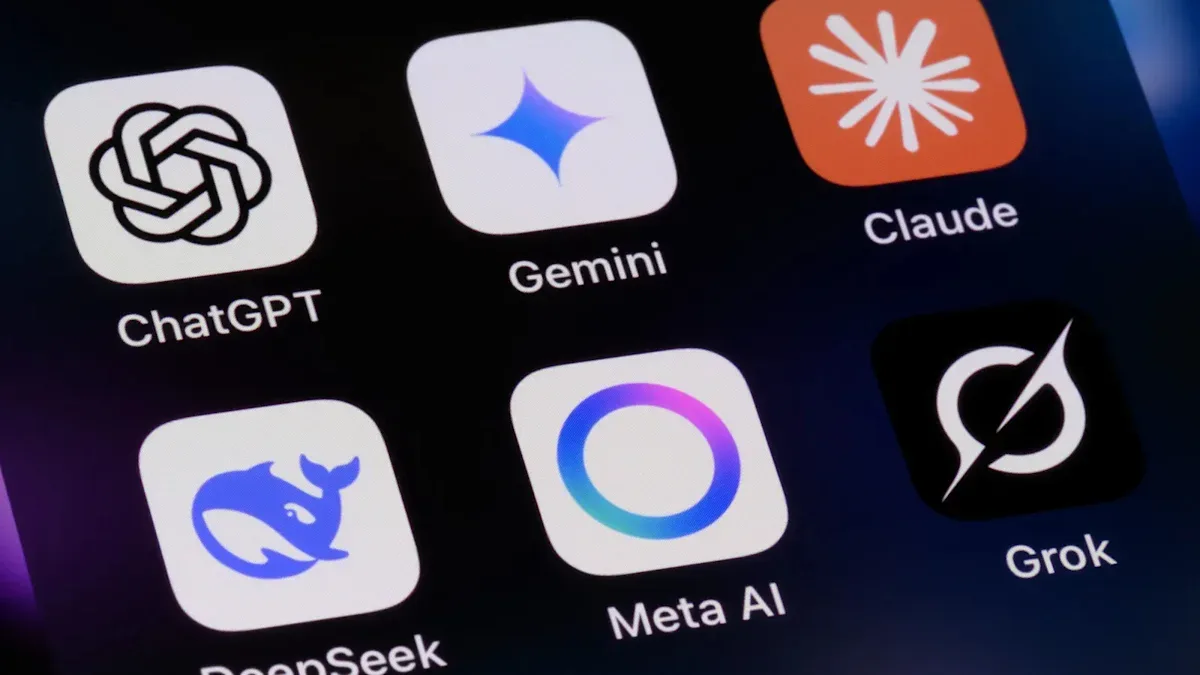
The wave of generative artificial intelligence tools opened freely to the public is seen as lacking strong justification. Several social media platforms are instead starting to reverse course by restricting AI-generated content, after a flood of low-quality material or AI slop disrupted the user experience.
Pinterest last year added an option for users to suppress the amount of AI content on their home feeds. LinkedIn took a similar step by recently providing a reporting button for AI content. Ironically, LinkedIn had previously also offered an AI-based automatic post generator feature. Both limiting options are said to be widely used, and other platforms are expected to follow.
A debate has emerged: AI allows anyone to create and experiment without technical limits. However, the explosion of slop content is seen as far outweighing the benefits of simplified production. Generative AI tools today are most useful for specific cases supervised by competent people, such as making event posters, flagging anomalies in medical records, or drafting emails. Without deep understanding, the results remain generic or risk being wrong.
Several incidents reinforce the concerns. The New York Times reported that an AI agent filled out visa forms for people who do not exist. Reuters highlighted an AI agent that infiltrated the Australian government's systems. ABC News in Philadelphia reported that an AI model sent a false tip about an unsolved murder case. Anthropic also acknowledged the potential danger by closing direct web access for its internal evaluation.
“Developers know that handing these tools to people who do not understand their output is dangerous,” was the gist of a warning that emerged from industry reports, referring to the stance of several AI companies.
Even so, the push for mass adoption continues. Mark Zuckerberg suggested users let the Meta Muse agent handle various tasks, while Elon Musk suggested uploading credit card details to Grok so it can shop. Such steps are seen as risking data leaks, hacking, and exploitation.
For Indonesia, this issue is not merely discourse. With high social media penetration and uneven digital literacy, global platform policies on AI content will be felt directly in the country's digital space. Regulators need to clarify the limits of platform responsibility, especially as AI agents begin to be used for financial transactions and public services. Without clear guardrails, the public risks becoming the first victims of immature technological experiments.
Going forward, the question is no longer whether generative AI will reshape the digital space, but how strict the oversight will be. If platforms continue to open access as widely as possible without filters, will we only reap fleeting entertainment, or instead more tangible harm?