Packed Schedule for Persib and Borneo FC: A Fatigue Alarm Threatening Indonesia's Asian Ambitions
Baca dalam 60 detik
- Persib Bandung dan Borneo FC menghadapi jadwal bertubi-tubi dari kompetisi Asia dan domestik, memicu kekhawatiran kelelahan pemain.
- Pengamat menilai rotasi skuad saja tidak cukup tanpa fasilitas recovery memadai, terutama karena luasnya wilayah Indonesia membuat perjalanan jauh lebih melelahkan dibanding Eropa.
- PSSI dan operator liga didesak menata ulang kalender agar performa wakil Indonesia di kancah internasional tidak terganggu, yang berdampak pada peringkat liga di Asia.
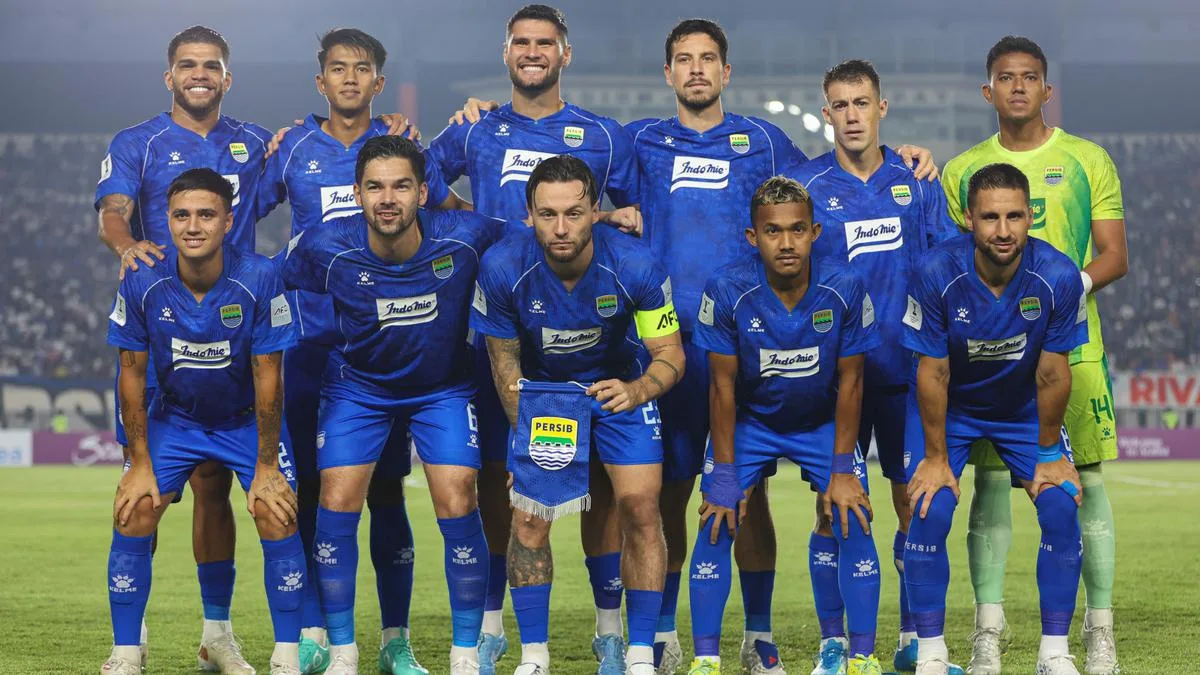
Persib Bandung and Borneo FC face the threat of player fatigue from a congested match schedule across Asian and domestic competitions, prompting calls for the federation and league operator to immediately review the competition calendar.
Complaints about the lack of recovery time surfaced after comments from Thom Haye, who highlighted the lack of facilities for Persib players to recover physically amid the packed fixtures. The issue has drawn wide attention because both clubs are now competing in two international competitions at once, namely the ACL Two and the AFC Challenge League, while still playing in the BRI Super League 2026/2027.
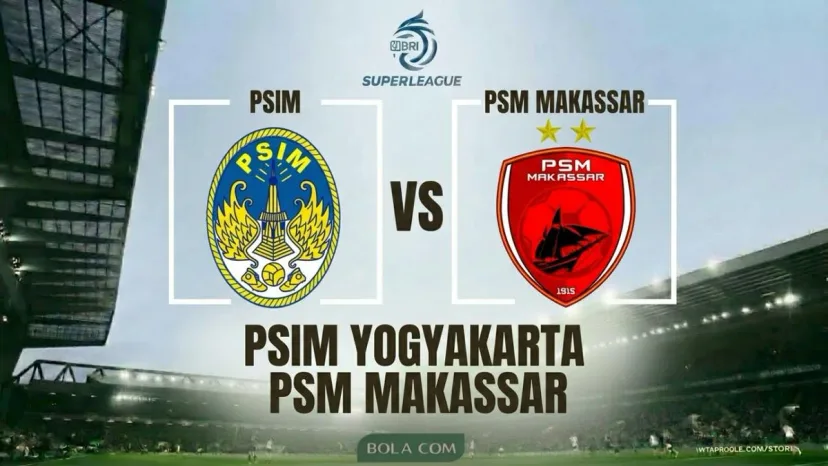
Although they are only in the early group-stage phase, signs of fatigue are beginning to show. Persib impressed with 1-0 wins over Seoul FC and The Cong Viettel, while Borneo FC held Buriram United to a draw in Thailand. But once they returned to domestic competition, both teams' form dipped. Borneo FC lost 1-2 to Java United after a round trip to Thailand that took nearly two days, while Persib could only draw 2-2 with Dewa United.
National football observer Lukas Tumbuan Torona assesses that Persib's squad depth is actually adequate. "Persib's player material is still safe, even though the number is not as large as Borneo FC, which has to split its squad across four agendas," he said. However, he warned that rotation alone will not be enough if players keep being forced to play without adequate breaks. "Igor Tolic will certainly rotate, but how strong are the players against a packed schedule? If they are fatigued, injuries lurk," added the KNVB-licensed coach.
"The federation and I.League must provide sufficient recovery time. The achievements of Indonesian representatives in Asia will affect our league ranking," Lukas stressed.
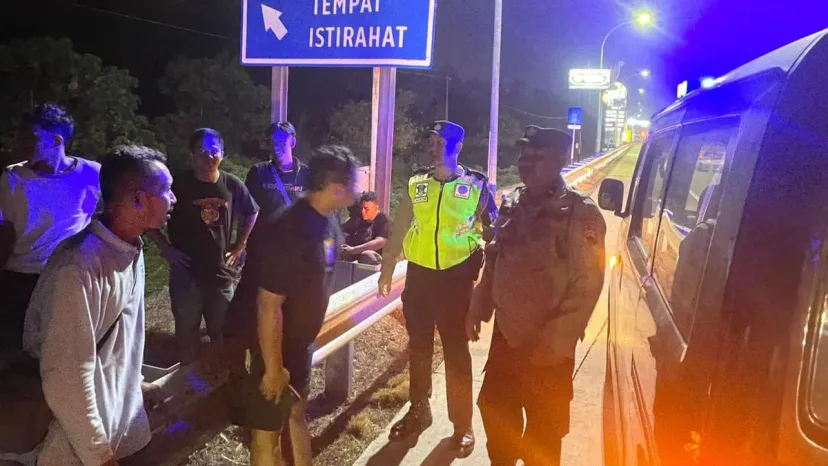
He also highlighted a fundamental difference between conditions in Europe and Indonesia. In Europe, the distance between cities is relatively short so travel can be done by bus. In Indonesia, travel between islands takes far longer. "Look at Borneo FC's trip to Thailand, and that is still within ASEAN," he said. According to him, fatigue from transport is an additional factor that weighs on the players' burden.
Lukas hopes PSSI and I.League, as the domestic competition operator, will be wiser in arranging the schedule. He suggested that matches involving Indonesian representatives in Asian competitions be given more leeway so players can undergo optimal recovery. "This is a valuable lesson, especially for local players. Clubs must provide the best recovery facilities. If you want to perform at the international level, preparation cannot be half-hearted," he concluded.
This case is not merely about short-term fitness. If left unaddressed, chronic fatigue can reduce the quality of play and increase the risk of injury, which ultimately harms the national team because key players lose form. Furthermore, club achievements in Asia also determine the league coefficient and the number of Indonesian slots in inter-club competitions. Managing player workload is also a test of the professionalism of Indonesian clubs that want to compete at the regional level.
Going forward, the public awaits concrete steps from PSSI and I.League in balancing international ambition with player health. Will they revise the calendar, or simply let clubs bear the risk themselves?