OpenAI and Meta Compete in AI Agents: Dot vs Muse, Who Is More Ready?
Baca dalam 60 detik
- Meta meluncurkan Muse pada 8 September, disusul OpenAI dengan Dot tiga pekan kemudian; keduanya menawarkan agen AI yang terus bekerja setelah pengguna meninggalkan obrolan.
- Perbedaan mencolok terletak pada harga: Muse menyediakan paket gratis terbatas dan berbayar mulai $20, sedangkan Dot hanya tersedia lewat langganan Pro $100 per bulan.
- Keterbatasan akses dan pengawasan manusia masih menjadi kendala utama, dengan Amazon memblokir Muse dan OpenAI membatasi Dot di luar EEA, Swiss, serta Inggris.
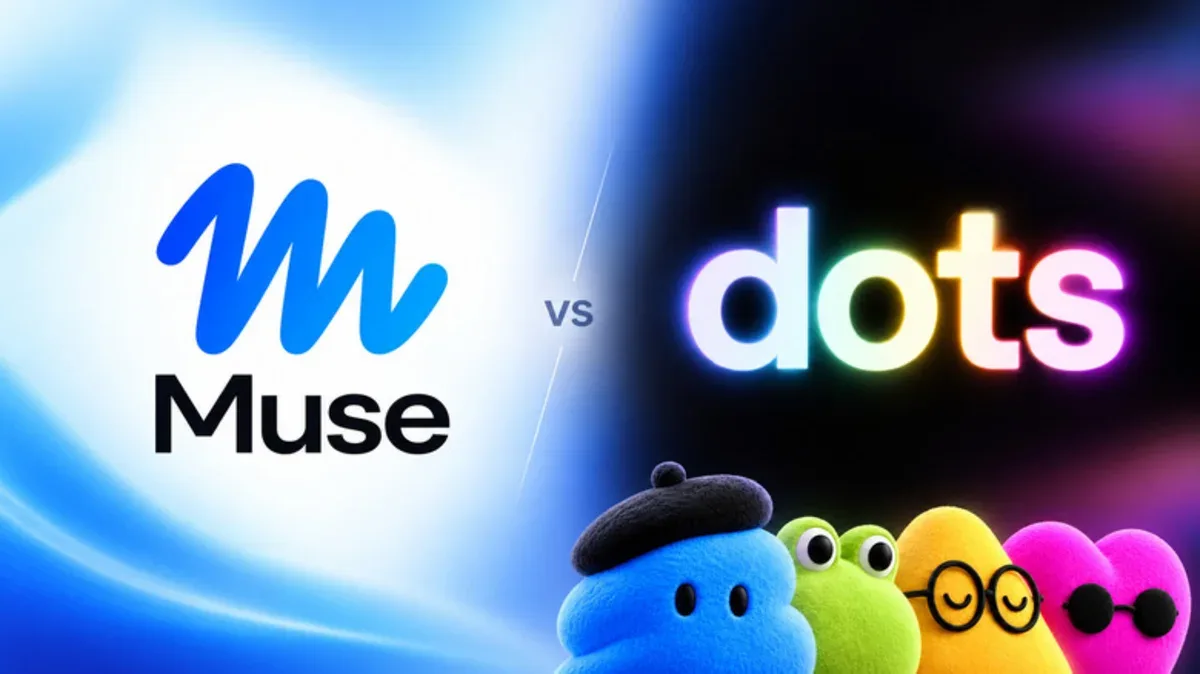
Meta and OpenAI have officially entered a new chapter in artificial intelligence competition with the launch of autonomous agents capable of working without being constantly guided by commands. Meta released Muse first on 8 September, while OpenAI followed with the Dot feature inside ChatGPT about three weeks later. Both promise the ability to carry out tasks independently, including operating their own cloud computers and connecting to external services.
The basic concept is simple: the user gives an initial instruction, then the AI agent continues the work even after being left alone. Muse can shop, fill out forms, plan trips, send emails, and monitor prices. Dot, meanwhile, is designed to handle ongoing research, work across applications, and carry out repetitive tasks. OpenAI integrates Dot closely with ChatGPT, Work, and Codex.
Although it sounds promising, the reality on the ground shows these agents are not yet fully autonomous. Meta stresses that Muse will ask for permission before taking sensitive actions such as sending emails or making purchases. OpenAI applies a permission system, Special Rules, and automated review to control Dot's behavior. Both warn that their agents can still make mistakes. Even browser access faces obstacles: Amazon has blocked Muse from shopping on its site.
The most obvious difference lies in the pricing structure. Meta offers three tiers: free with usage limits, Power at $20 per month, and Maximum at $100 per month. OpenAI, by contrast, opens Dot access only through the Pro 100 subscription at $100 per month. For businesses, Business Premium seats are priced at $100 per user per month (annual billing) or $125 per user per month (monthly billing).
Cost is not the only consideration. The more accounts linked, the more sophisticated the agent's capabilities, but that means granting access to email, calendars, files, and browser sessions. Meta states that conversations and data inside its virtual machine are not shared with advertising systems, and users can opt out of having interactions used to improve their AI models. However, Engadget found that the model improvement setting is on by default, with default permission options that only ask for confirmation for some actions.
OpenAI states that Dot activity from personal plans may be used to improve models, depending on the user's ChatGPT settings. Data from Business and Enterprise plans is not used for training by default. Dot's proactive research is read-only until the next action passes the normal permission checks.
"Both companies warn that their agents can make mistakes," reads a statement describing the limitations of this technology.
Geographic availability adds complexity. Dot is currently being rolled out to eligible Pro users outside the European Economic Area (EEA), Switzerland, and the UK. For Business Premium users, Dot is available in supported ChatGPT regions, while Enterprise access is still in beta. OpenAI stresses that using Dot will not reduce usage limits unless Dot works inside ChatGPT Work or Codex. Meanwhile, Muse is only available in the United States and Canada.
For Indonesia, the arrival of these agents opens up both opportunities and challenges. Micro, small, and medium enterprises (MSMEs) can use AI agents to automate tasks such as price monitoring or email management, but high subscription costs and limited regional access are obstacles. In addition, the issue of data privacy is a serious concern amid growing awareness of personal data protection in the country. Clear regulation and user education are key so that the adoption of this technology does not create risks.
Going forward, competition between OpenAI and Meta will only intensify. The question is whether AI agents can truly become reliable personal assistants, or whether they will instead add to the user's supervisory burden. What is clear is that the era of autonomous agents has just begun, and whoever can balance sophistication, security, and affordability will win the market.