Trump's New Press Secretary Admits She Failed the Bar Exam, Credibility Questioned
Baca dalam 60 detik
- Katie Zacharia, Sekretaris Pers Gedung Putih yang baru, mengakui dirinya tidak lulus ujian advokat California setelah sebelumnya menyebut dirinya sebagai pengacara.
- Pengangkatannya yang super cepat, hanya enam hari setelah dihubungi, memicu spekulasi bahwa kriteria utama adalah loyalitas politik, bukan kompetensi profesional.
- Dewan Pengawas California diminta menyelidiki apakah Zacharia melanggar hukum negara bagian dengan mengklaim status yang tidak dimilikinya.
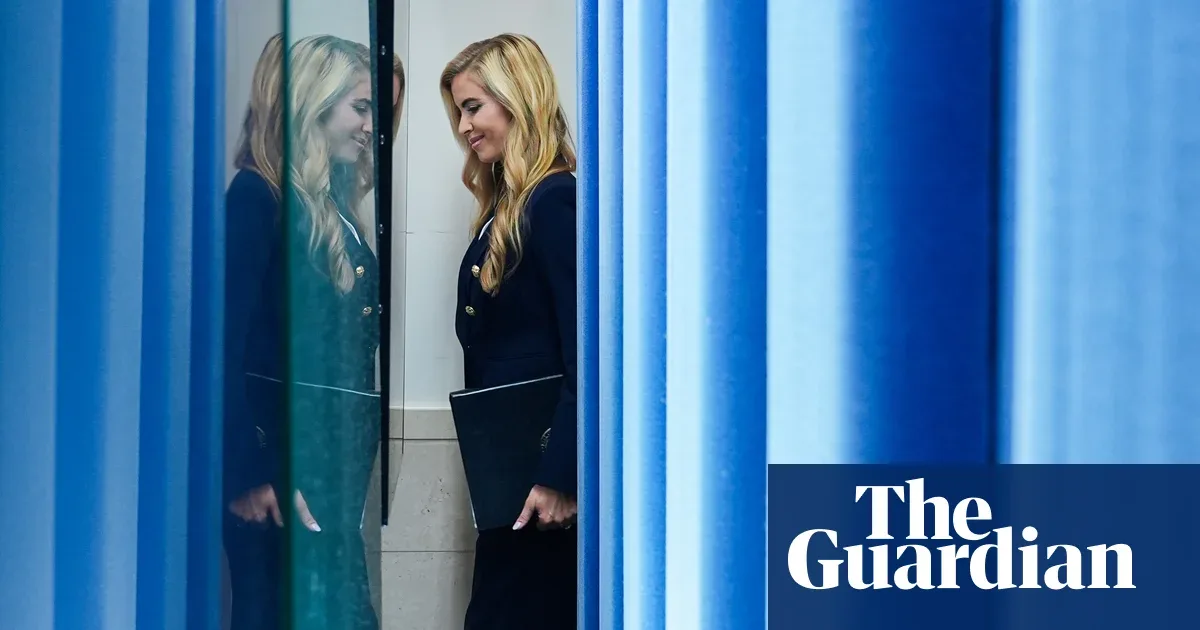
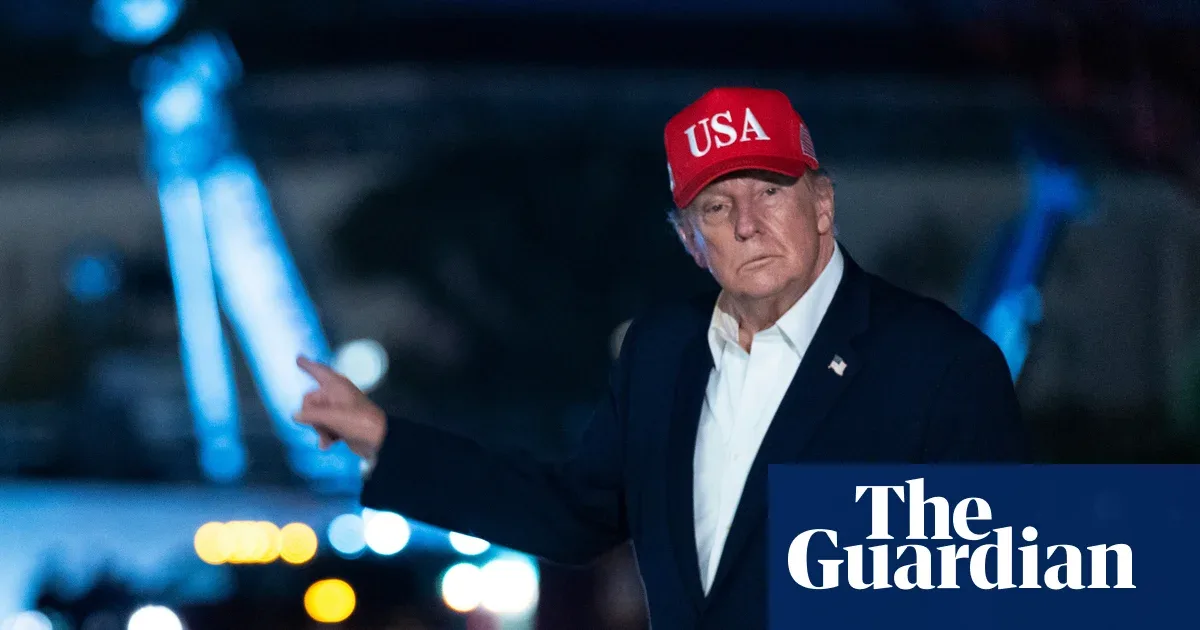
Katie Zacharia, the White House Press Secretary newly appointed by President Donald Trump, has admitted that she did not pass the California bar exam. The admission surfaced after she was repeatedly introduced as a "lawyer" and "prosecutor" on various occasions, triggering serious questions about credibility and transparency within the United States' presidential communications circle.
In an interview with the conservative outlet Human Events, Zacharia said the exam failure occurred because she was "distracted, overwhelmed, and excited" to join her husband in China after more than a year of a long-distance relationship. The statement came after she had earlier deflected a question about which state she passed the bar exam in, with a brief answer: "When I moved to China."
Zacharia's path to the presidential spokesperson's chair was remarkably swift. According to The Guardian, she was contacted by White House officials on October 7, flew to Washington the next day, and received the job offer on Friday. Just six days after the first call, she was already standing at the podium for her first briefing—a debut many observers judged as unconvincing.
The controversy is not merely about academic credentials. Several legal experts note that the terms "lawyer" and "prosecutor" are often used interchangeably, but legally both refer to individuals licensed to practice. Zacharia, through sources close to her, insists that the "lawyer" label is a "legitimate title" given that she holds a law degree and international transactional experience. However, she has never given legal advice, only "legal analysis"—a distinction many consider unconvincing.
"I follow the president's lead," Zacharia said when asked about the frequency of press briefings. She added that President Trump "is his own best spokesperson, and I will engage as needed."
The statement underscores the uncertainty of Zacharia's role. She cannot say how often she will hold press conferences, and admits she does not know whether she will be the White House's main voice before the media. This stance differs from her predecessor, Karoline Leavitt, who was known for being aggressive with reporters. A source says Zacharia "stands behind" her description as a lawyer, but is reluctant to explain why the White House offered her the position.
Behind the uproar over qualifications lies a larger question about the pattern of political recruitment in the Trump era. Zacharia previously served as an adviser to Trump Media Group and was once a spokesperson for the Department of Homeland Security. She also says she did not want to appear to be lobbying for the position, but instead diligently monitored Trump's social media and appeared on conservative talk shows as a kind of "audition." Trump himself called her a "loyal MAGA fan" with an "impeccable support record."
For Indonesia, this case mirrors how public communication at the executive level can be shaken when personal credibility is questioned. At a time when the Indonesian government is pushing for information openness and bureaucratic reform, the standard for vetting public officials' backgrounds—especially those who deal directly with the press—becomes relevant. Reliance on political loyalty rather than technical competence can erode public trust, a risk also faced by many other democracies.
Going forward, pressure on Zacharia is not expected to ease. The Campaign for Accountability's request for an investigation to the State Bar of California could open a new chapter, including potential sanctions if she is found to have misled the public. Meanwhile, the US national media will continue to test how far she can carry out her duties without a clear legal license. The question now: will the White House stand by this appointment, or will competency standards once again become a priority amid global scrutiny?