Ledger Burns Over Device Implant Issue: IDR 1.5 Trillion Gone, Tether Freezes IDR 160 Billion
Baca dalam 60 detik
- Dana kripto senilai hingga USD93,2 juta dilaporkan mengalir keluar dari ratusan dompet yang terhubung ke perangkat Ledger yang dijual reseller CryptoBilis.
- Tether membekukan USD10 juta USDT, sementara Ledger berupaya membatasi lingkup insiden meski CryptoBilis terdaftar sebagai mitra resmi di situsnya.
- Investigasi masih berjalan dan pertanyaan soal kompensasi serta tanggung jawab merek menjadi ujian kredibilitas bagi industri dompet keras.
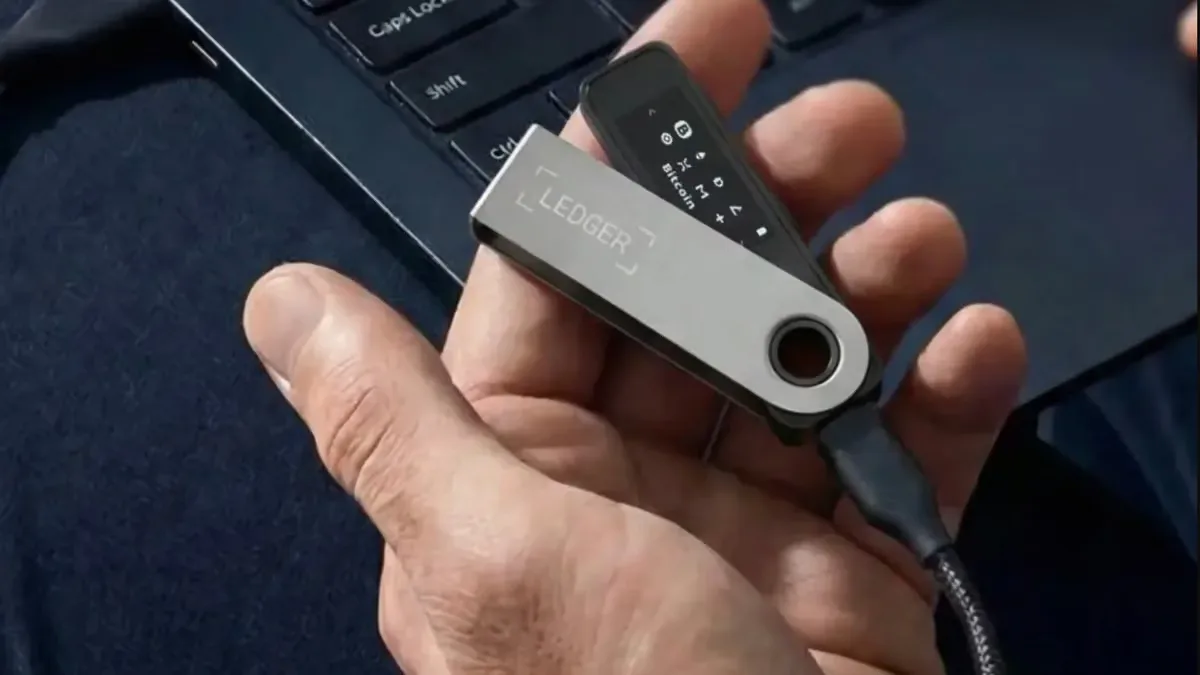
Ledger is facing reputational pressure after blockchain investigators traced fund flows of up to USD93.2 million from hundreds of wallets linked to hardware sold by reseller partner CryptoBilis. The company claims the incident is limited to a third-party distribution channel, but the fact that CryptoBilis is listed as an official partner on Ledger's site immediately raised questions about that claim.
The first reports of the theft emerged three days before Ledger's official statement on Sunday. The company confirmed unauthorized hardware implants in at least one affected unit. However, Ledger did not detail whether the drained wallets had similar modifications, nor how the devices could be manipulated before reaching users.
Discrepancies in loss figures add to the fog of information. Bitquery, a blockchain analytics firm, said it traced USD93.2 million flowing from 315 wallets across six blockchain networks, with the majority of assets in USDT and TRON tokens. Security research platform YFarmX recorded a higher figure, namely USD94.5 million from 521 addresses across seven blockchains. Both estimates are based on public on-chain data, not on the official total loss acknowledged by Ledger.
Tether's move to freeze USD10 million in USDT is a key point in handling this case. Unlike bitcoin or ether, which have no central authority, stablecoin issuers have the ability to block tokens connected to criminal activity. However, the freeze covers only a small fraction of the total funds reported missing. Bitquery noted that about USD81 million was still traceable on the network, while some funds had moved through Tornado Cash and Zcash, two instruments commonly used to obscure transaction trails.
What sets this incident apart from previous cases is the modus operandi. Last April, a phishing campaign through a fake Ledger Live app on the App Store drained at least USD9.5 million after users entered their recovery phrases. This time, attackers appear to have obtained the keys needed to empty hundreds of wallets directly. This means the attack vector no longer relies on user negligence, but on the integrity of the device from the supply chain onward.
"This is not a CryptoBilis incident, this is a Ledger incident. At least acknowledge this mess," wrote X user with the account MyCryptoParadise, summarizing the community's anger over the company's attempt to limit the scope of responsibility.
Ledger urged CryptoBilis customers not to activate devices that have never been used. For those who have already used them, the company recommends moving assets to a new device with a newly created recovery phrase. This advisory implies that devices circulating through that channel can no longer be considered safe, although there is no official statement on how many units are exposed.
For the Indonesian crypto market, this case reinforces long-standing concerns: the security of digital assets does not stop at the strength of algorithms or secret phrases, but also depends on the hardware distribution chain. Many retail investors in the country rely on hardware wallets as a last line of defense after a series of exchange hacks. When a gap emerges from what is considered the safest device, trust in the self-custody ecosystem could be shaken. Financial services authorities and domestic crypto exchanges may need to clarify certification standards for devices sold in the Indonesian market, including mandatory supply chain audits.
The unanswered questions are precisely the most crucial: will Ledger bear compensation for victims, and how far does the brand's responsibility extend to reseller partners that turned out to distribute problematic devices? As long as the company has not provided official loss figures and a recovery scheme, uncertainty will continue to weigh on user trust. The hardware wallet industry is now required to prove that security is not merely a marketing claim, but a commitment that can be audited from the factory to the user's hands.