Supreme Court Condemns Water Splashing at Pati District Court Spokesperson: Dissatisfaction Is No Excuse to Degrade the Judiciary
Baca dalam 60 detik
- Mahkamah Agung menyatakan penyesalan mendalam atas insiden penyiraman air yang dilakukan Koordinator AMPB, Supriyono alias Botok, terhadap juru bicara PN Pati, Retno Lastiani.
- Insiden terjadi saat audiensi terkait penanganan perkara pada Jumat (9/10), dipicu tuduhan suap Rp1 miliar yang tidak terbukti.
- MA menegaskan akan menindaklanjuti peristiwa ini secara hukum dan mengingatkan bahwa ketidakpuasan terhadap putusan harus disalurkan lewat jalur resmi, bukan intimidasi.
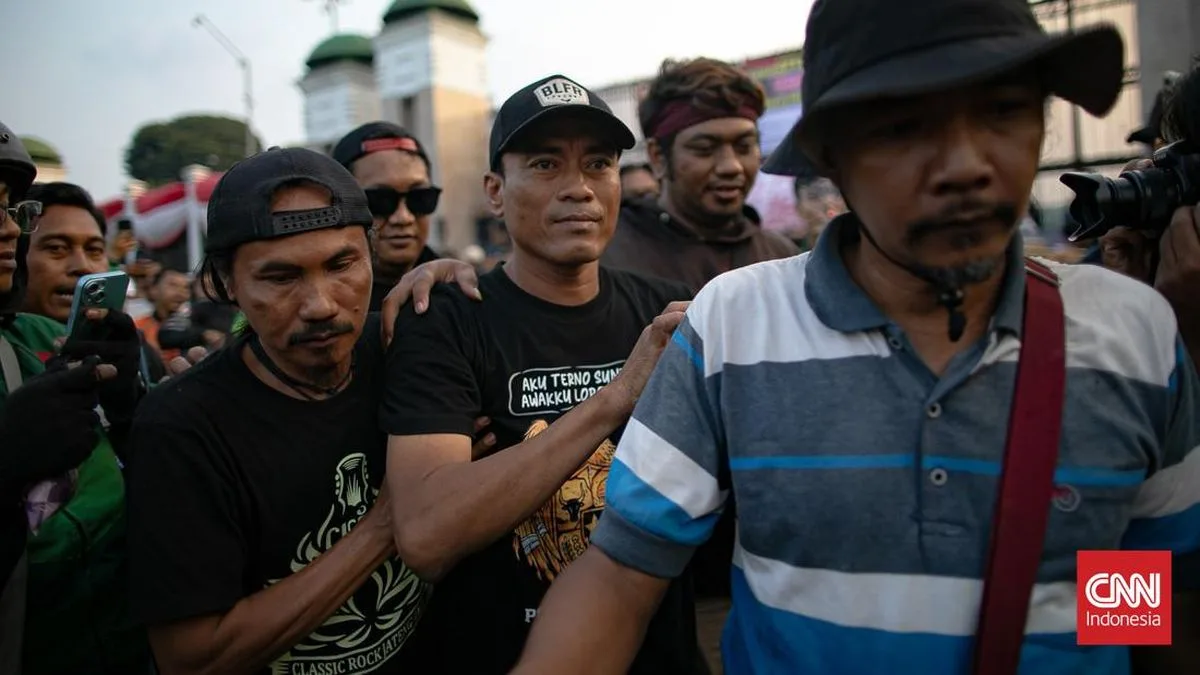
The Supreme Court (MA) expressed deep concern over the act of splashing water by the Coordinator of the Aliansi Masyarakat Pati Bersatu (AMPB), Supriyono alias Botok, on the spokesperson of the Pati District Court, Retno Lastiani. The incident occurred during an audience regarding case handling at the Pati District Court on Friday (9/10) and was recorded in a video that went viral on social media.
Supreme Court spokesperson Heru Pramono, in a press conference on Monday (12/10), stressed that the leadership of the judiciary would not tolerate any form of intimidation or violence against judges and court officials on duty. According to him, splashing water is not a justifiable way to convey aspirations, input, or complaints.
Heru added that his office would follow up on this incident in accordance with applicable legal provisions. He also reminded that dissatisfaction with the legal process should be channeled through lawful mechanisms, such as legal remedies or official complaints, not through actions that degrade the dignity of the judiciary.
"The leadership of the Supreme Court understands that parties may feel dissatisfied with the handling of a case. Such dissatisfaction should be channeled through lawful mechanisms, whether through legal remedies or complaint mechanisms, not through actions that degrade the dignity of the judiciary," said Heru.
This incident highlights the challenges faced by the judiciary in maintaining authority and independence amid rising tensions between the public and law enforcement officials. Similar cases have occurred in several regions, where dissatisfied crowds often take extrajudicial paths. The Supreme Court hopes this event serves as a lesson that constructive dialogue is the best way forward.
Legal observer from the University of Indonesia, Prof. Dr. Indriyanto, assessed that such anarchic actions can damage public trust in the judicial system. "If people feel dissatisfied, they must use the available channels. Violence will only worsen the image of law enforcement and hinder judicial reform," he said when contacted separately.
Going forward, the Supreme Court is expected to strengthen complaint mechanisms and public communication so that dissatisfaction can be managed properly. In addition, protection for court officials needs to be improved to prevent similar incidents from recurring. The question is, will the public prefer the path of dialogue or instead put emotions first?