Bitcoin Returns to US$84,000 Despite Record ETF Outflows — Has the Market Signal Shifted?
Baca dalam 60 detik
- Harga Bitcoin bangkit melampaui US$84.000 setelah sempat tertekan arus keluar ETF senilai US$681 juta, tertinggi sejak Juni.
- Penurunan harga minyak mentah dan ekspektasi data inflasi AS menjadi katalis ganda yang menentukan arah pasar kripto pekan ini.
- Level support US$82.000 menjadi garis pertahanan krusial; kegagalan menahannya berpotensi memicu koreksi lebih dalam.
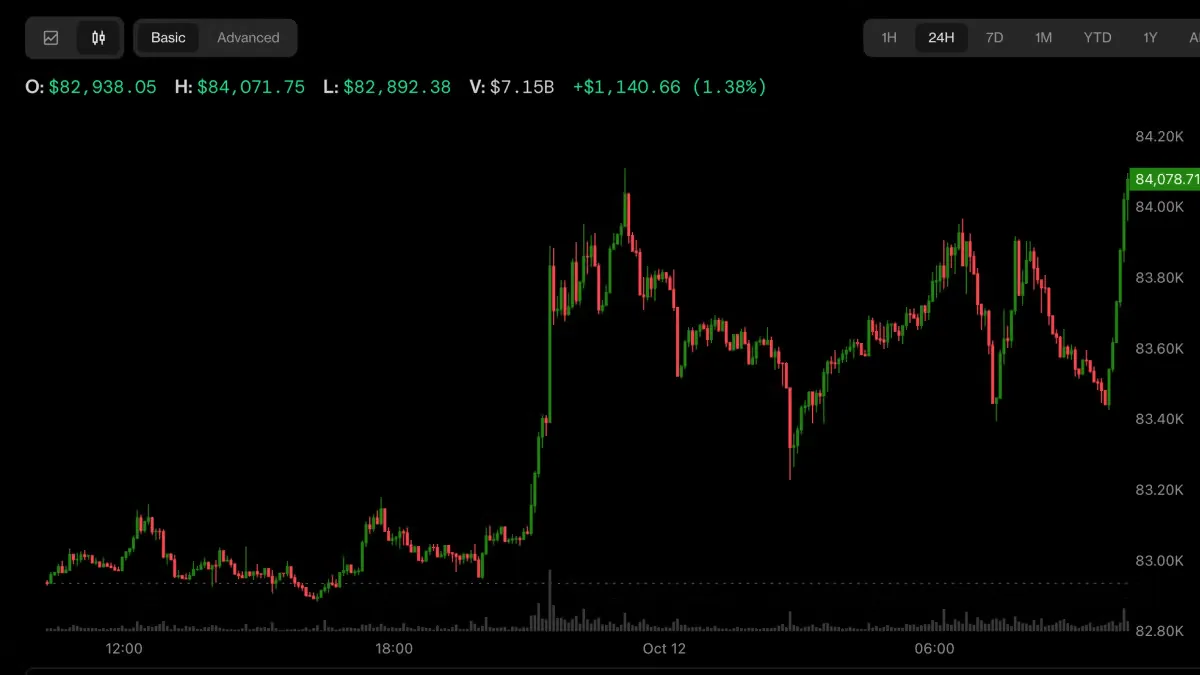
Bitcoin was trading back above the US$84,000 threshold early this week, shrugging off a wave of massive withdrawals from spot exchange-traded fund (ETF) products in the United States. The largest cryptocurrency by market capitalization had weakened to around US$83,500 before reversing higher, approaching its weekend high of about US$84,145.
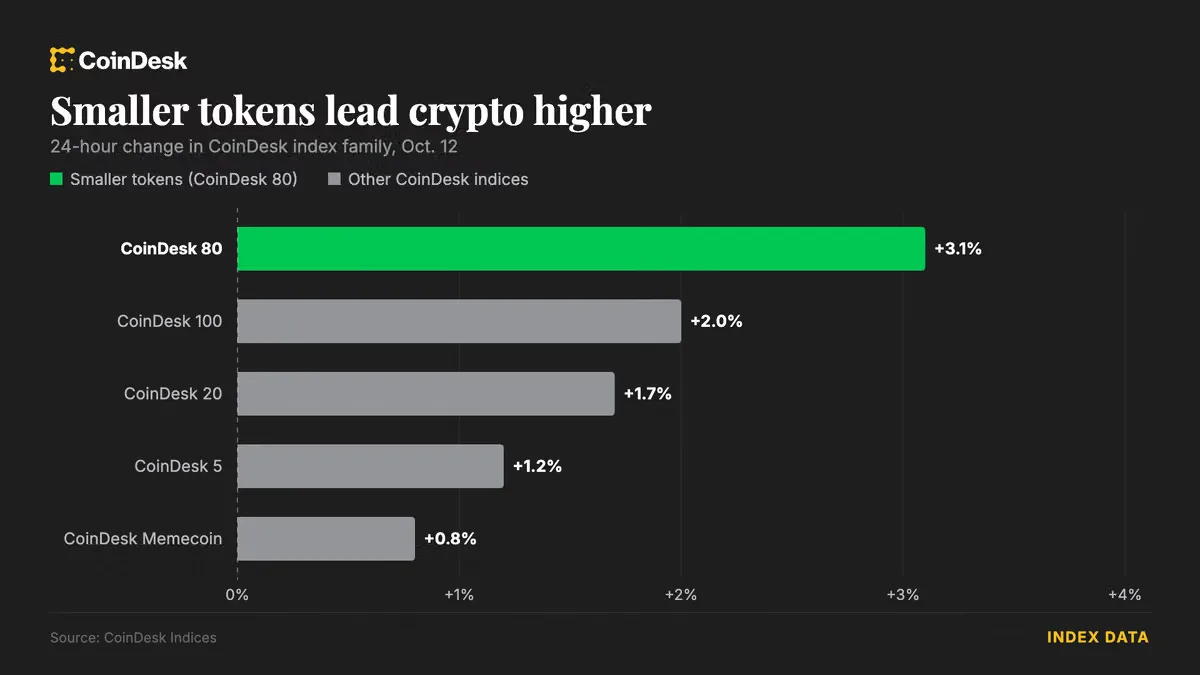
The recovery was not isolated. Ether, XRP, and a number of alternative tokens also posted gains, signaling that investor interest is beginning to spread beyond the major assets. Market data showed nine of the top ten cryptocurrencies moved higher over the past 24 hours. Avalanche led with a 5.1% jump, followed by Chainlink, which rose 2.4%, while Solana, BNB, Dogecoin, and Cardano added to the gains.
According to Purvang Mashru, chief analyst at BitDelta India, the recovery was broad and reflected a temporary shift in risk sentiment. However, he cautioned that the global macro backdrop remains challenging. US government bond yields hit a 24-year high in the week ending October 9, weighing on risk assets including crypto.
"ETF flows remain highly volatile. US spot Bitcoin ETFs recorded large withdrawals on October 7 and 8, signaling caution among institutional investors," said Vikram Subburaj, CEO of India-based Giottus Exchange.
Data from SoSoValue showed net outflows from US-listed spot Bitcoin ETFs reached US$681 million last week, the highest since June. Most of the withdrawals occurred on Wednesday and Thursday, fueling concerns that institutions are starting to reduce their exposure to digital assets.
On the other hand, West Texas Intermediate (WTI) crude weakened 1.8% to US$90.28 per barrel early this week, reversing a sharp surge last Thursday. The decline followed US President Donald Trump's announcement on Friday that his administration had reached an agreement with Russia to supply 300,000 metric tons of diesel to international and domestic markets. The move marked a partial easing of US sanctions on Russian oil imports.
Trump also claimed Russia and Ukraine had agreed to an energy ceasefire to halt attacks on infrastructure. However, Ukrainian officials said they were not involved in the agreement, and Russian military strikes on Ukraine's energy network were reported to be continuing. This geopolitical uncertainty is keeping volatility elevated in commodity markets, which indirectly affects crypto asset sentiment.
For Indonesian investors, these dynamics have layered implications. Weaker global oil prices could ease domestic inflation pressures and give Bank Indonesia room to maintain an accommodative monetary policy. However, ETF outflows from the US market could trigger capital outflows from global risk assets, including crypto, which is increasingly popular among Indonesian retail investors. The Financial Services Authority (OJK) and Bappebti need to monitor these movements because high volatility can harm investors who do not fully understand the risks.
Both analysts highlighted the US$82,000 level as key support that bulls must defend to prevent deeper losses. They also pointed to US inflation data due October 14 as the next macro catalyst that could determine the short-term direction. If inflation comes in higher than expected, interest rate hike expectations could strengthen again and weigh on crypto prices.
The crypto market is currently at a crossroads: on one hand, the price recovery shows resilience against institutional outflows; on the other, macro and geopolitical pressures have not fully subsided. The question is whether this rally will continue or is merely a pause before a deeper correction. The answer will depend heavily on inflation data and Bitcoin's ability to hold its crucial support level.