Reform UK Wants to Freeze Asylum System for a Quarter Century, 400,000 People Face Deportation
Baca dalam 60 detik
- Partai Reform UK mengusulkan penangguhan total sistem suaka selama satu periode parlemen, dengan membatalkan semua permohonan baru dan lama.
- Sekitar 400.000 orang berpotensi dideportasi, sementara lebih dari 90.000 banding yang tertunda akan langsung ditolak.
- Langkah ini menuai kritik dari Partai Buruh, Konservatif, dan Lib Dem yang menilai kebijakan tersebut ekstrem dan tidak realistis.

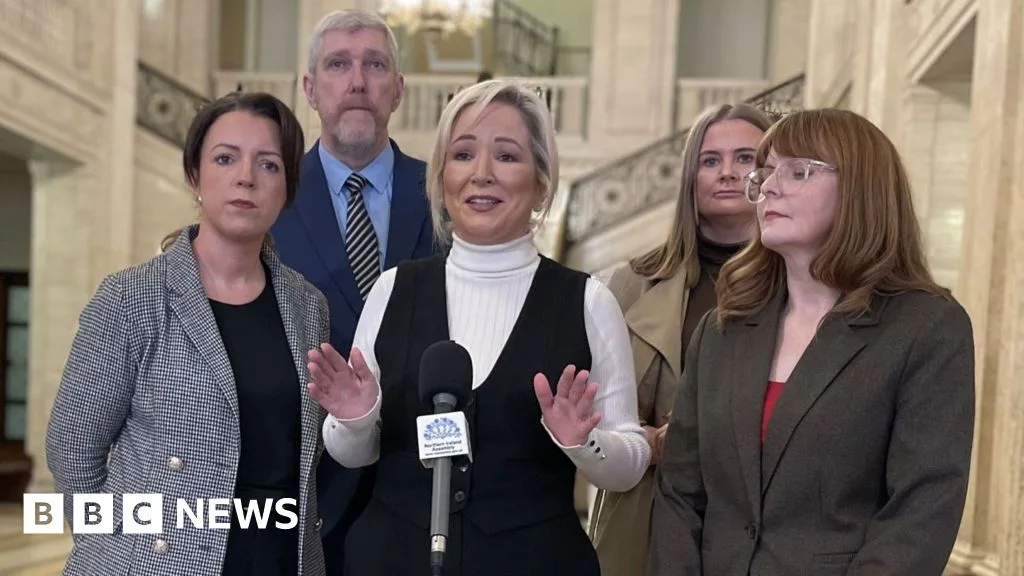
Reform UK has officially announced a controversial plan to shut down the UK asylum system entirely for a full parliamentary term if it wins the next election. The policy would reject all new asylum claims, cancel pending applications, and mark every applicant for deportation—a move the party itself calls an "effective suspension" of the asylum system.
In the announcement made this week, Reform UK detailed that it would abolish the asylum appeal tribunals that have handled rejection cases. More than 90,000 pending appeals would be rejected outright, and applicants would be placed on a deportation list. The party led by Nigel Farage also stressed there would be no granting of humanitarian or refugee protection status during that period.
Reform UK plans to withdraw the UK from the European Convention on Human Rights (ECHR), repeal the Human Rights Act 1998, and not apply the 1951 Refugee Convention. The move is intended to prevent legal challenges that have often hampered deportation policy. Farage argued the UK is facing a "national security emergency" and cannot accept more asylum seekers while the number of illegal immigrants in the country remains unaccounted for.
To force origin countries to take back their citizens, Reform UK would use visa bans and tariffs on goods and services. If those countries continue to refuse, the party threatens to bar their airlines from UK airspace and ban their citizens from transiting. In extreme cases where no country is willing to accept them, Reform UK would negotiate agreements with third countries.
The policy immediately drew sharp reactions from other parties. Labour Party chair Bridget Phillipson called the proposal a "sign of desperation and clear weakness." According to her, Reform UK is trying to win a right-wing policy auction war at the expense of humanitarian values. "A large majority of the British people will reject it as an attack on our shared values," she said.
The Conservative Party, through shadow home affairs spokesman Chris Philp, judged that Reform UK's plan largely copies policies they proposed a year ago. Philp stressed that only the Conservative Party has a serious and credible plan to fix the borders. Meanwhile, Lib Dem spokesman Max Wilkinson accused Reform UK and the Conservatives of being the architects of the asylum system's failure and now exploiting it for political gain.
The Labour government under Home Secretary Shabana Mahmood has in fact also made significant changes. Since March, refugee status has been granted only as temporary protection reviewed every 30 months. In September, Mahmood reopened the UK Resettlement Scheme (UKRS) in the hope of providing a safe and legal route to reduce small boat crossings. Around 25% of the quota is allocated to Afghan women and children and Palestinians.
Reform UK first announced a comprehensive review of asylum claims over the past five years in April. With steadily rising poll numbers, the party appears to be trying to cement its position as the main anti-immigration force. But the big question remains: will such a hardline policy actually win the support of a majority of British voters, or will it backfire and strengthen the coalition of its opponents?