No-Confidence Motion Shakes Stormont: Michelle O'Neill Hangs On Amid Drumcree Parade Row
Baca dalam 60 detik
- Mosi tidak percaya terhadap Michelle O'Neill dan tiga menteri Sinn Féin akan dibahas di Stormont menyusul kontroversi parade Drumcree, namun dipastikan gagal karena syarat dukungan lintas komunitas.
- Partai unionis menekan DUP agar mengambil tindakan lebih tegas, sementara Sinn Féin bersikukuh membela hak warga nasionalis di Garvaghy Road.
- Dugaan pelanggaran hukum dalam demonstrasi sedang diselidiki polisi, memicu perdebatan soal akuntabilitas menteri dan stabilitas pemerintahan Irlandia Utara.
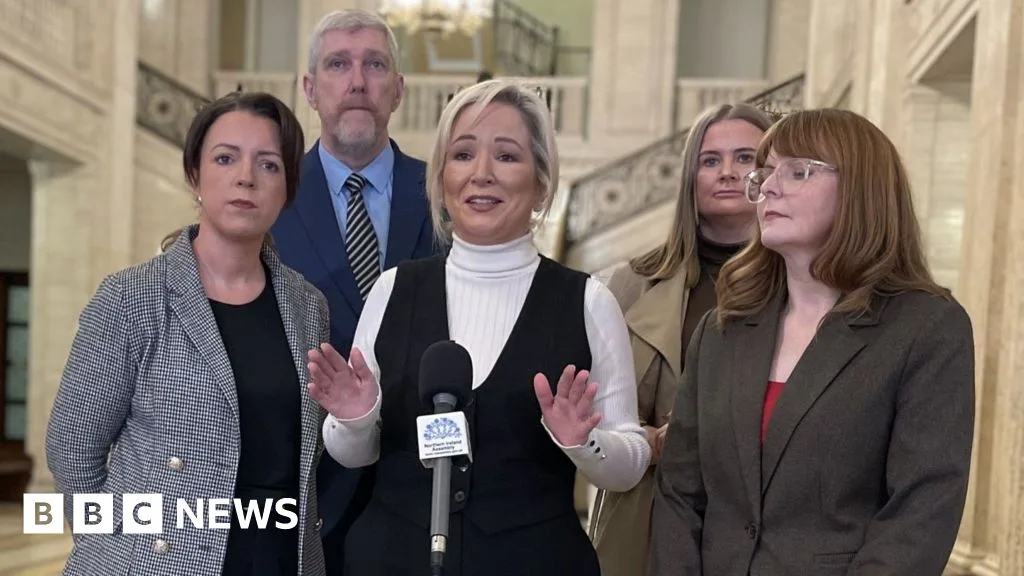
Northern Ireland First Minister Michelle O'Neill faced a no-confidence motion at the Stormont parliament on Monday (local time) over her stance on the Drumcree parade dispute. The motion, tabled by Traditional Unionist Voice (TUV) councillor Timothy Gaston, targets O'Neill and three other Sinn Féin ministers: John O'Dowd, Caoimhe Archibald, and Liz Kimmins.
The motion was tabled after securing support from unionist parties, including the Democratic Unionist Party (DUP) and the Ulster Unionist Party (UUP), which gathered the required 30 signatures. However, the motion is certain to fail because the Stormont system requires cross-community support—a majority from both the unionist and nationalist blocs—to remove a minister. Without that support, the motion is non-binding and cannot automatically force a minister to step down.
The row stems from a planned Orange Order parade in Portadown, County Armagh, that would pass through Garvaghy Road, an area predominantly inhabited by nationalists. O'Neill and other senior Sinn Féin politicians joined a protest that blocked the parade route, drawing sharp criticism from unionists. Police are investigating the demonstration as a large-scale criminal inquiry. O'Neill defended her actions, saying she was "proud" to stand with residents and insisting, "when the law is wrong, I will stand firmly against it."
Finance Minister John O'Dowd, one of those targeted by the motion, said Sinn Féin would not bring the Drumcree dispute back to the negotiating table. "Those who want to drag us backwards must be stood up to," he told BBC Radio Ulster. He added that he would continue to work with other parties at Stormont, including on budget discussions.
TUV leader Jim Allister acknowledged that the motion would fail because of the existing system, but stressed that this only increases pressure on the DUP to act. "It is clear, of course, that today's debate will not succeed because of the absurd system that requires cross-community support, but it sharpens the pressure on the DUP to be seen to do something because right now lawbreakers are sitting in our executive," he said.
Allister urged the DUP to withdraw Emma Little-Pengelly from the deputy first minister post, which would trigger O'Neill's removal as first minister. However, DUP leader Gavin Robinson rejected that move. "When someone breaks the law, they should be punished for breaking the law," he said. He argued that withdrawing Little-Pengelly would "punish everyone" and insisted his party was not in a position to "wreck" stability. Nevertheless, he acknowledged that his colleague Carla Lockhart, an MP for the Upper Bann constituency, had the right to voice her constituents' concerns.
Another DUP MP, Gregory Campbell, insisted his party would not bring down Stormont, but he backed "very firm action" to uphold the law. According to him, if a minister is found to have committed a serious criminal offence, there must be sanctions preventing them from holding office. "We have canvassed right across the party and people believe in what we are doing. They want action, and they will get it," he said.
On the other side, opposition leader from the Social Democratic and Labour Party (SDLP), Matthew O'Toole, reminded that politicians have the right to express their views, but once the process is over, attention must return to issues affecting the people of Northern Ireland, such as public sector pay rises and health service waiting lists. UUP leader Jon Burrows refused to withdraw his minister from the executive and instead favoured changing Stormont rules to create a proper accountability mechanism. Meanwhile, Alliance Party deputy leader Eóin Tennyson stressed his party would not support the motion "precisely because we support the rule of law." He called the motion a "waste of time and energy" that could destabilise the institutions.
This political crisis highlights the long-running tension between the unionist and nationalist communities in Northern Ireland, which still hangs over the stability of the power-sharing government. Although this no-confidence motion is likely to fail, political pressure on Sinn Féin and the DUP continues to mount. The question is whether the DUP will take bolder action, or instead choose to maintain the status quo to avoid a power vacuum.