Bessent Recruits Judy Shelton, Controversial Economist Rejected by Senate, as Currency Policy Adviser
Baca dalam 60 detik
- Menteri Keuangan AS Scott Bessent menunjuk Judy Shelton, yang pernah gagal dikonfirmasi Senat untuk kursi Dewan Gubernur Fed, sebagai penasihat kebijakan mata uang.
- Penunjukan ini tidak memerlukan persetujuan Senat, sehingga Shelton bisa langsung bekerja meski rekam jejaknya menuai kontroversi bipartisan.
- Langkah ini terjadi di tengah gelombang pengunduran diri pejabat senior di Departemen Keuangan AS, memicu pertanyaan tentang arah kebijakan ekonomi Washington.
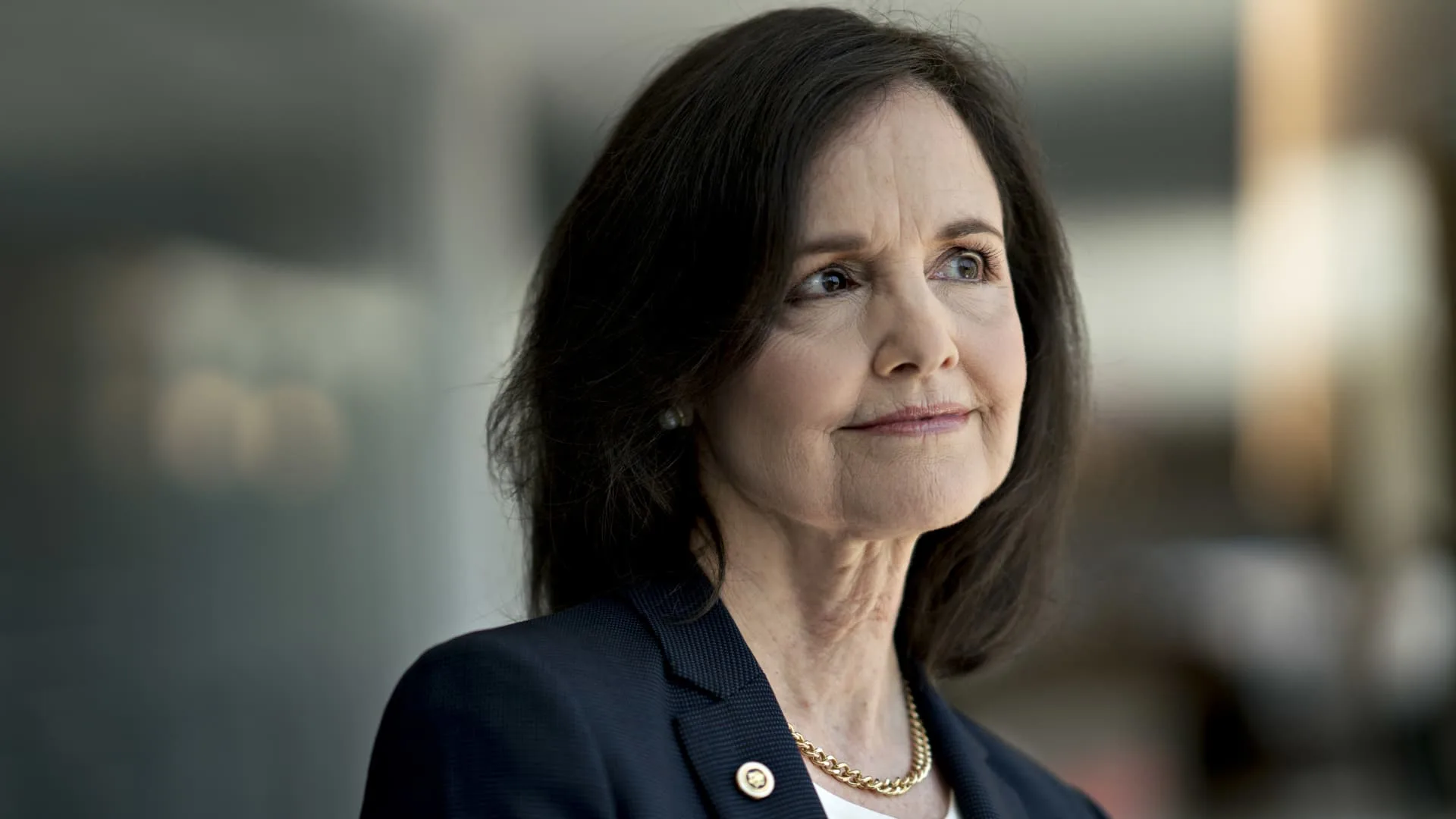
US Treasury Secretary Scott Bessent has formally appointed Judy Shelton—an economist previously rejected by the Senate for a position at the Federal Reserve—as a currency policy adviser. The announcement, released Friday (9/10/2026), places Shelton in a strategic role that does not require Senate confirmation, allowing her to begin her duties immediately without political obstacles.
In its official statement, the Treasury Department said Shelton will focus on evaluating China's financial conditions. The appointment surprised some observers because Shelton is not known as a China expert. Her academic background has centered largely on international monetary affairs, with the book Money Meltdown (1988), which discusses the need for an integrated global monetary regime, and The Coming Soviet Crash a year later. Before joining the administration, she spent much of her career at the free-market think tanks Independent Institute and the Hoover Institution, Stanford University.
Controversy has surrounded Shelton since 2019, when President Donald Trump nominated her as a Fed governor. At the time, all Democratic senators and several Republicans rejected her nomination because her views were seen as threatening the central bank's independence. Shelton has questioned the need for the Fed, supported the gold standard, and doubted conventional monetary policy—stances that made her difficult to accept in mainstream policy circles.
The appointment also comes amid internal turmoil at the Treasury Department. A Wall Street Journal report noted that seven Senate-confirmed officials had left the department by the end of August, with only one position filled. Bessent had previously appointed David Zervos, former head of market strategy at Jeffries, to the same advisory position—also without Senate confirmation. The move reinforces the impression that Bessent prefers his own trusted people over following the normal bureaucratic process.
For Indonesia, the appointment could affect rupiah exchange-rate dynamics and capital flows. A more aggressive US currency policy toward China—Indonesia's main trading partner—could influence regional stability. Shelton is known to be skeptical of loose monetary policy and tends to support a stronger dollar. If she pushes for a tougher approach toward Beijing, pressure on emerging-market currencies, including the rupiah, could increase. The Indonesian government needs to watch policy signals from Washington, especially ahead of the upcoming IMF-World Bank meeting.
"Throughout her career, she has specialized in analyzing countries' internal monetary and financial conditions and their impact on exchange rates," the US Treasury Department statement said.
Shelton's appointment also raises questions about the independence of US economic policy. With a controversial background and without Senate vetting, she has broad room to influence Bessent's decisions. If her unconventional approach is applied to currency policy, global markets could react sharply. Conversely, if she can adapt to current economic realities, the appointment could be a smart move to strengthen the US position in its rivalry with China.
Going forward, attention will focus on how Shelton carries out her role, especially in the face of increasingly complex geopolitical and economic pressures. Will she be a pragmatic adviser or instead muddy US-China relations? The answer will become clear in the coming months.