Blok M Transforms: Two New Towers, Hotel, and Mall in Jakarta TOD Project
Baca dalam 60 detik
- Pemerintah DKI Jakarta mengonfirmasi pembangunan dua menara baru di kawasan Blok M sebagai bagian dari proyek Transit Oriented Development (TOD) yang akan mencakup apartemen, hotel, dan mal.
- Revitalisasi ini menyasar lima transformasi utama, termasuk modernisasi terminal dan pengembangan kawasan mixed-use, dengan target operasional terminal dan retail pada 2029 serta penyelesaian menyeluruh pada 2030.
- Dengan lebih dari 25.000 pengunjung harian dan 332 tenant, proyek ini diharapkan memperkuat integrasi transportasi publik tanpa menghilangkan identitas budaya Blok M yang telah lama menjadi ikon Jakarta Selatan.
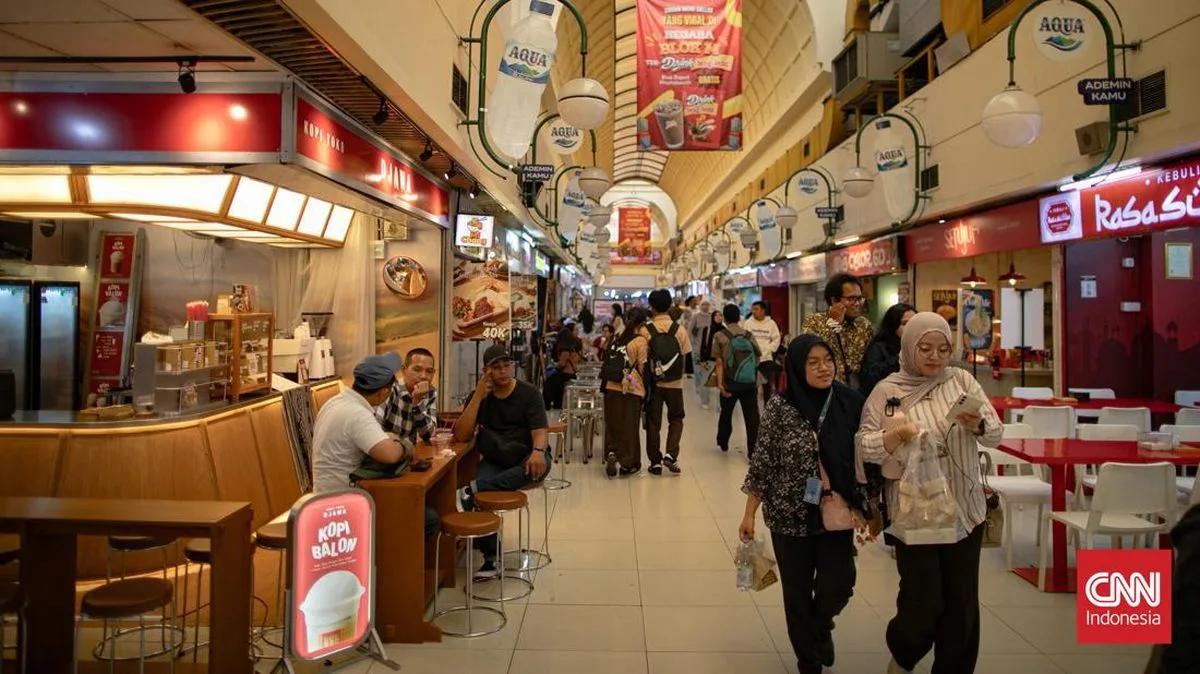
The Blok M area in South Jakarta is preparing to enter a new chapter. Jakarta Governor Pramono Anung announced that the area long known as a culinary and youth entertainment hub will be developed into a transit-oriented district, or Transit Oriented Development (TOD), complete with two new towers, apartments, a hotel, a mall, and public space.
The announcement was made by Pramono on 2 October 2026, a few days ahead of the launch and groundbreaking of the Blok M Hub redevelopment. He has not yet detailed the function or height of each tower. "There will be two new towers at that site, and I will announce their heights at the launch or groundbreaking," Pramono said, as quoted by Antara. He confirmed the project is being carried out with a developer that has reached an agreement with PT MRT Jakarta.
Blok M has long held a strategic position because it is directly connected to public transport. Currently, the Blok M Hub area houses around 332 tenants and is visited by more than 25,000 people every day. The figure shows that the revitalization affects not only urban planning but also the economic pulse of hundreds of small and medium-sized businesses that depend on the crowds in the area.
Pramono stressed that the revitalization process must preserve the character Blok M has built over decades. "Even though Blok M is being improved, built, revitalized to be better, more modern, and more orderly, I hope Blok M does not lose its main spirit," he said. The statement implies concern that modernization could erode the identity of an area long associated with an informal and affordable atmosphere.
The Blok M development is not merely about putting up high-rise buildings. Five main transformations are planned: revitalizing the Blok M terminal to be more modern and integrated; developing the Blok M-Sisingamangaraja mixed-use area; improving accessibility and intermodal integration, including for pedestrians; building new commercial destinations; and developing public open space. The approach aligns with the TOD concept, which emphasizes proximity between housing, workplaces, and transport nodes to reduce dependence on private vehicles.
MRT Jakarta has confirmed that activity in the area will continue during construction. Tenants will go through a transition period so they can keep operating, while public transport services will not be disrupted. Groundbreaking is scheduled for the first week of October 2026, with revitalization carried out in stages. The terminal, retail area, and podium are targeted for completion and operation in 2029, while the mixed-use development will continue until 2030.
For Jakarta, the project is a test of whether transit-based development can proceed without sidelining residents and small businesses. If successful, Blok M could become a model for other areas of the capital facing similar pressure: the need for modernization versus preserving character. But success is measured not only by the grandeur of the towers, but also by how inclusive the public spaces created are and how much economic benefit long-time occupants feel. Will Blok M remain a place to come home to for all groups, or will it turn into an exclusive district enjoyed by only a few?