Musk Challenges Ambani in India: Starlink Stalled, Jio Builds 1,600 Satellites
Baca dalam 60 detik
- Elon Musk menuding oligarki India memblokir izin Starlink meski proses regulasi telah berjalan lima tahun.
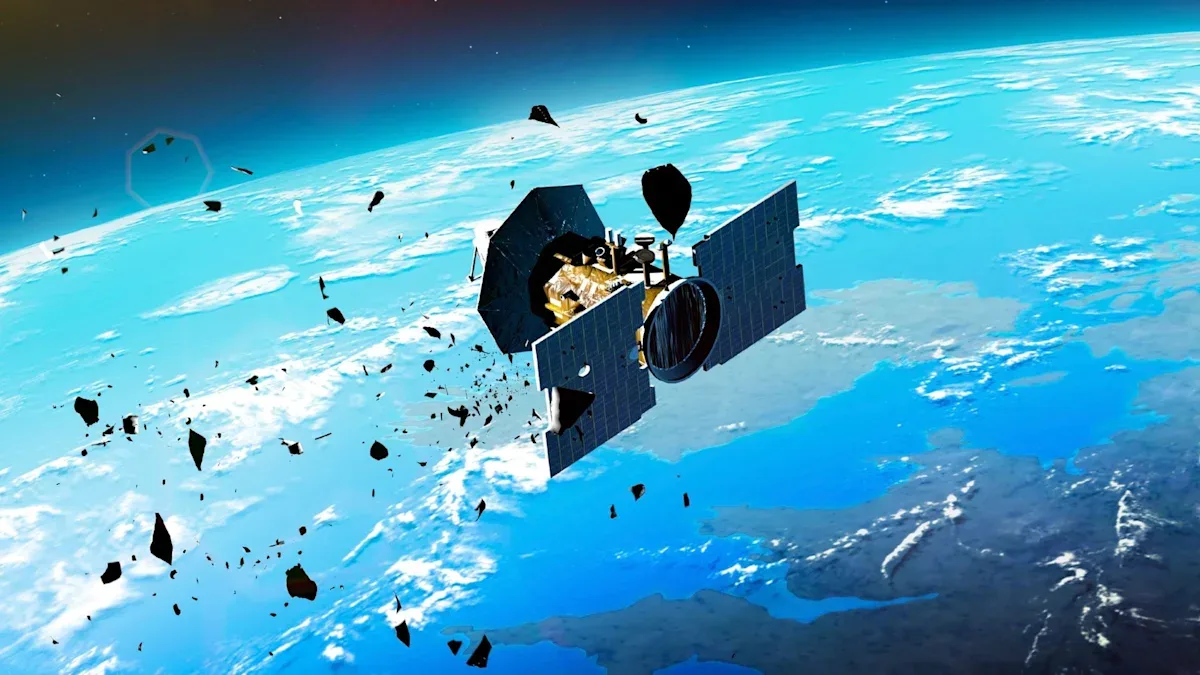
- Jio milik Mukesh Ambani bersiap meluncurkan jaringan 1.600 satelit LEO dan 23 stasiun bumi untuk memperluas konektivitas.
- Ketegangan ini menyeret politik domestik India dan berpotensi memengaruhi peta investasi digital asing, termasuk dari Indonesia.
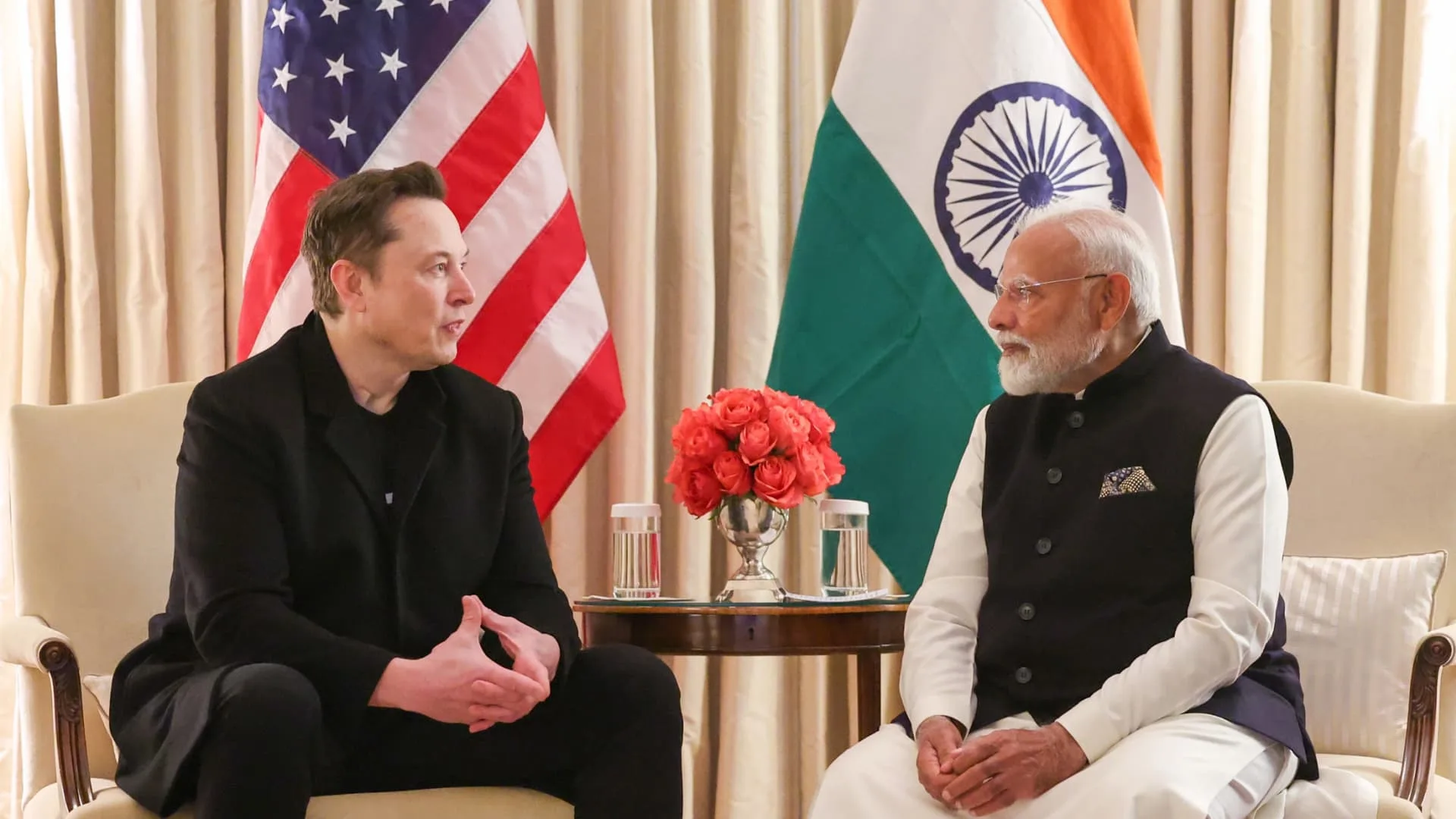
Elon Musk has opened an open conflict with Indian tycoon Mukesh Ambani after satellite internet service Starlink has yet to secure an operating permit in the country. In a post on platform X, the SpaceX founder questioned whether Ambani is the "real boss" in India, marking an escalation of public pressure on Narendra Modi's government.
The trigger was Musk's statement a day earlier accusing a number of oligarchs of maintaining a monopoly grip on the Indian people. He claimed Starlink had spent five years complying with all legal requirements, yet was still barred from operating. Reliance Industries, Ambani's conglomerate, has not given an official response to media requests for confirmation.
Ambani controls Jio, India's largest telecommunications and internet operator. Together with Airtel, the two main players control about 80% of the market. It is this dominance that has become the target of Musk's criticism, who argues the market structure hinders the entry of global players with different technology.
"Wait until you meet the others," said Rahul Gandhi, India's opposition leader, responding to Musk's tweet. The statement referred to Gautam Adani, a tycoon who has often been a target of Gandhi's criticism. Musk responded by calling the situation "indeed concerning".
Starlink's path was actually once open. In March last year, the company signed preliminary agreements with Jio Platforms and Airtel to explore cross-selling services. The following July, Starlink obtained a license. But the launch remained stalled. A Bloomberg report said New Delhi froze approval over concerns that Starlink terminals could be used even though the service did not yet have an official permit.
On the other side, Jio is accelerating its own satellite ambitions. Akash Ambani, Mukesh's son and managing director of Jio Platforms, told shareholders that India needs a domestically made "native technology stack". The statement was read back in an interview with Moneycontrol, a platform owned by the Reliance group, and reinforced Jio's position as a direct competitor to Starlink in the low-orbit connectivity segment.
The Musk-Ambani tension is not merely a corporate duel. It touches India's political nerve ahead of the electoral cycle, where the opposition routinely accuses the government of being too accommodating to a handful of conglomerates. Musk, who also heads Tesla and X, is in an uncomfortable position: he needs India's regulatory blessing for expansion, but at the same time is a symbol of foreign capital often viewed with suspicion by nationalist groups.
Tesla's failure in the Indian market reinforces that complexity. Since its launch last year, its sales have reached only slightly more than 1,000 units. That figure is disappointing given India's huge population and electrification ambitions, and shows that barriers to entry are not only about permits, but also price, charging infrastructure, and purchasing power.
Indonesian Context
For Indonesia, this dynamic is relevant because Starlink already operates in the country and is a partner in a number of remote-area connectivity projects. If India, a giant market with 1.4 billion people, keeps its door closed to Starlink, there are two possibilities worth watching. First, SpaceX could shift its expansion focus to Southeast Asia, including adding capacity in Indonesia. Second, developing countries could imitate India by strengthening domestic operators before opening wider access to foreign players.
Indonesia's government itself is pushing operator consolidation and national satellite development. The emergence of the Jio model, which builds its own LEO constellation, could become a precedent for Telkomsel, Indosat, or XL Axiata to explore strategic partnerships with global satellite providers, rather than merely becoming resellers. This policy choice will determine how quickly 3T regions get fast internet.
What is most likely in the short term is continued deadlock. Musk has a global stage to apply pressure, while Ambani has market control and political proximity. The question is whether India will open Starlink's permit as a trade concession, or instead accelerate protection of the domestic satellite industry. That answer will be a signal for foreign investors in Asia's digital sector.