Jokowi Speaks Out on Gibran Impeachment Talk: Follow the Constitutional Mechanism
Baca dalam 60 detik
- Jokowi menanggapi desakan pemakzulan Gibran pasca-putusan MK dengan menekankan jalur demokrasi konstitusional.
- MK tidak menemukan bukti ijazah SMA Gibran, tetapi tidak bisa mendiskualifikasi karena sudah dilantik.
- Dampak putusan terhadap pencalonan 2029 diserahkan ke KPU dan Bawaslu.
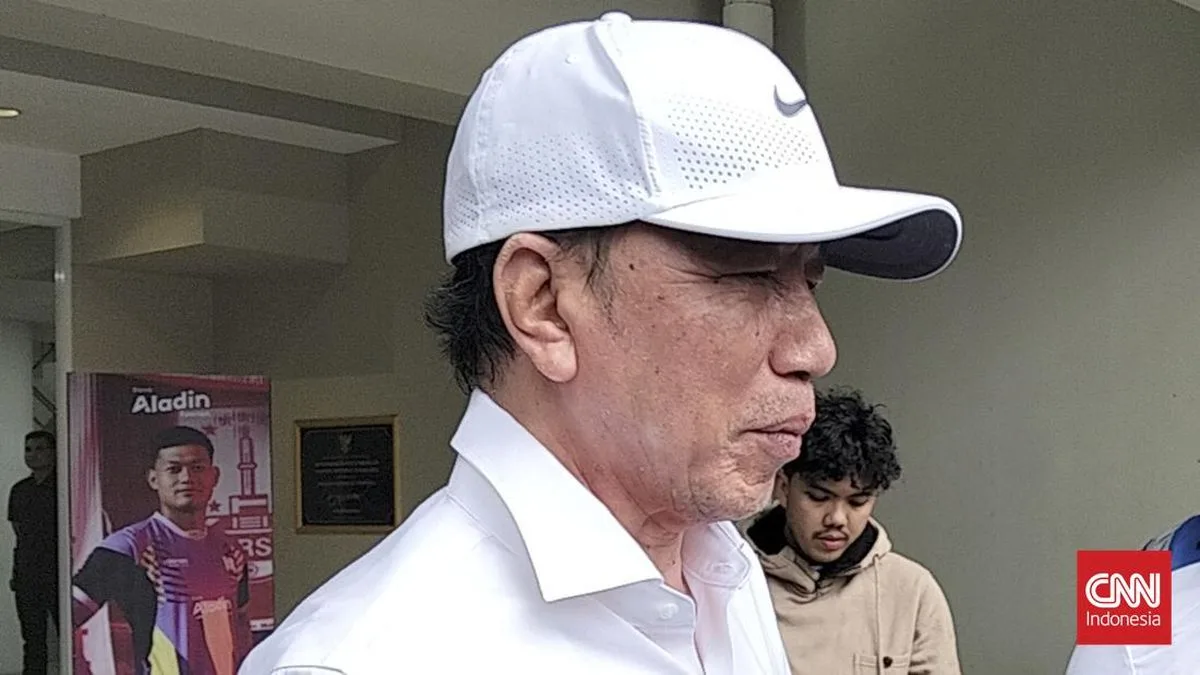
Indonesia's 7th President, Joko Widodo, has finally spoken about the wave of impeachment talk against Vice President Gibran Rakabuming Raka that gained strength after the Constitutional Court (MK) read its ruling in the 2024 presidential election dispute case. Speaking in Solo, Central Java, on Thursday (8/10), Jokowi chose not to take a confrontational path and left the matter entirely to the applicable legal procedures.
"Please follow the available democratic mechanism in accordance with the constitution, in accordance with the existing legal rules," Jokowi said, as quoted from his press statement. The remark signals that he will not hold back the tide of political pressure, but also will not encourage escalation outside the state's corridors.
The impeachment talk emerged shortly after the MK read Ruling Number 01/PHPU.PRES-XXIV/2026. The lawsuit filed by Denny Indrayana—one of its requests being that Gibran be disqualified as a vice-presidential candidate—was indeed not accepted. However, in its legal considerations, the Court revealed a finding that triggered public reaction: there was no convincing evidence that Gibran holds a high school-equivalent diploma, certificate, or diploma from overseas education as required by the Election Law.
Nevertheless, the MK stressed it could not annul or disqualify Gibran from the vice-presidential seat. The reason is that the case was deemed no longer appropriate to be resolved through the presidential election result dispute regime because Gibran had been inaugurated and sworn in on October 20, 2024. The ruling stated that the petitioner's request could not be accepted because it lacked legal standing.
Facing the MK's finding, Jokowi chose to explain the differences between countries' education systems. He said Indonesia's education levels follow a different path from a number of countries that recognize pathway programs before entering a diploma or bachelor's degree. According to him, Gibran has completed a bachelor's degree, so logically he must have passed the earlier stages. "If you complete a bachelor's degree, you should have passed the earlier stages. If not, then you couldn't register for the bachelor's program," he said.
Jokowi's statement implies that he views the diploma issue not as a constitutional violation that automatically leads to impeachment. He also stressed that he respects the MK ruling and all its legal considerations. That stance differs from some groups demanding further political consequences, including the use of an inquiry right or the impeachment mechanism in the DPR.
Politically, the MK ruling leaves a paradox. On one hand, the Court found no evidence of the minimum education qualification, but on the other hand it has no authority to revoke Gibran's mandate. This condition opens room for interpretation for opposition parties and civil society organizations to push for legislative oversight. However, without majority support in the DPR, the impeachment path remains difficult to realize.
When asked about the possible impact of the ruling on Gibran's candidacy in the 2029 presidential election, Jokowi was reluctant to speculate. He left the matter to the General Elections Commission (KPU) and the Election Supervisory Body (Bawaslu), which have authority under the regulations. He also did not comment much on the chances of the Prabowo Subianto-Gibran ticket running again, citing that the election is still a long way off.
What is worth noting is that the MK's consideration regarding the absence of evidence of a high school-equivalent diploma could become long-term political ammunition. If Gibran runs again in the future, the KPU's administrative verification could potentially face a similar lawsuit. On the other hand, this precedent could push for a revision of candidacy requirement rules to more firmly regulate the equivalency of overseas education. The public now waits to see whether election institutions will proactively clarify the standard, or instead let this issue become a time bomb ahead of 2029.