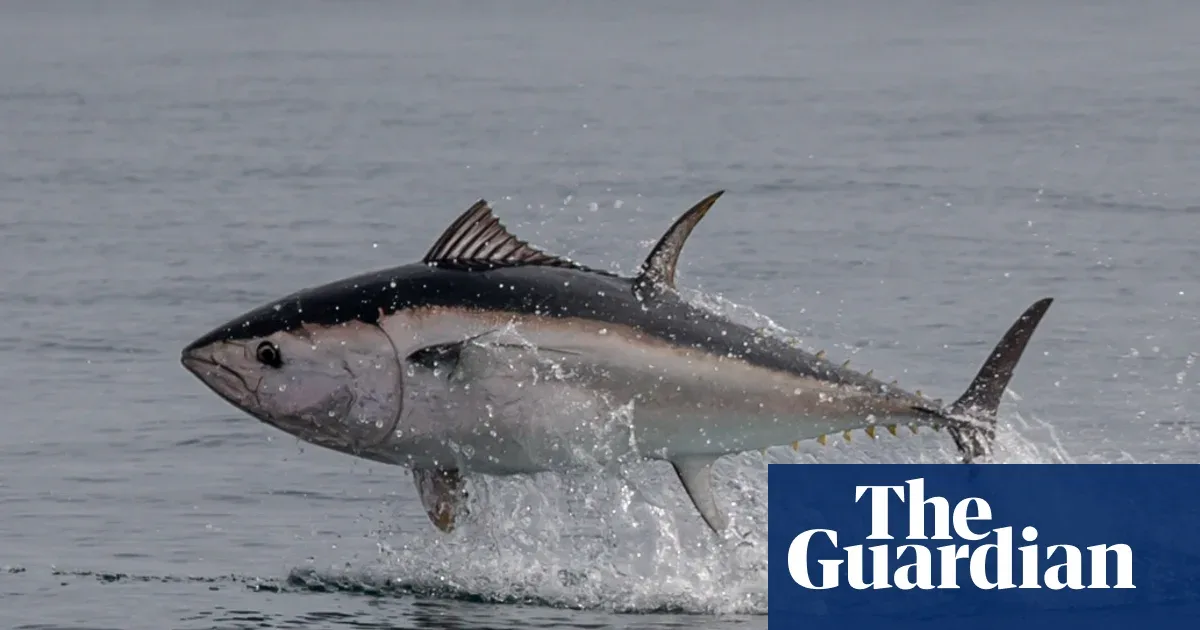
Dredging Ban in the Summer Isles: A Marine Restoration Lesson for Indonesia
Baca dalam 60 detik
- Larangan pengerukan kerang di zona perlindungan laut Wester Ross, Skotlandia, memulihkan populasi ikan dan kerang setelah satu dekade.
- Keberhasilan ini menegaskan nelayan skala kecil dan sains warga dapat mengalahkan lobi industri demi ekosistem laut.
- Indonesia perlu meniru pendekatan berbasis komunitas untuk merehabilitasi wilayah pesisir yang terdegradasi.
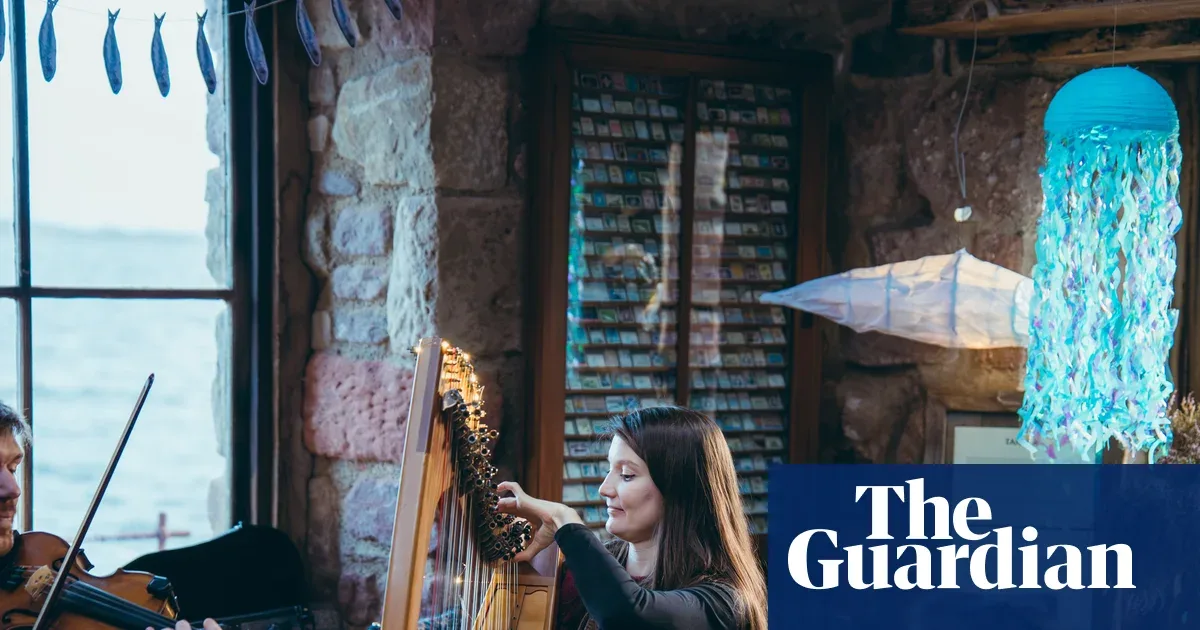
Ten years after scallop dredging was banned in the waters of the Summer Isles, northwest Scotland, marine life in the area is showing significant recovery. The ban, which applies to a 600-square-kilometer zone—now a marine protected area (MPA)—has halted seabed damage and triggered the return of scallop, fish, and marine mammal populations.
The change began with a long campaign by local residents, divers, and creel fishers who united against the industrial dredging fleet. In 2016, after years of pressure, the Scottish government finally banned the practice in the Wester Ross MPA. The decision was made despite fierce opposition from the dredging lobby. Today, the area is the world's largest maerl habitat—a 9,000-year-old red algae that serves as a nursery for fish and scallops.
According to a report released by the Blue Hope Alliance (BHA), a coalition that uses citizen science, the previously damaged seabed is now far richer. Marine biology professor Jason Hall-Spencer of Cyprus University of Technology, the report's author, stressed that the ban has massively protected maerl. "If scallop dredgers had kept operating over the past ten years, this habitat would have been destroyed," he said.
The positive impact is felt not only by the environment but also by the local economy. Alasdair Hughson, a scallop diver and chair of the Scottish Creel Fishermen’s Federation, revealed that scallop catches have soared and seabed conditions have changed drastically. His company, Keltic Seafare, which supplies dive-caught scallops to restaurants in the UK, can now operate longer in the Summer Isles. Research by Open Seas supports the claim that sustainable fishing methods such as diving and creeling are not only environmentally friendly but also keep more revenue in the local economy.
In addition, residents report increased sightings of whales, dolphins, and porpoises. Herring spawning grounds that had once disappeared are also beginning to reappear. On land, the Maerl-Herring festival held last weekend celebrated the success and launched the ten-year citizen science report.
"We have achieved the recovery of an entire ecosystem. It is priceless," said Sara Nason, founder of Sea Change, which is now BHA.
Nevertheless, challenges remain. The BHA survey found maerl damage at several points due to illegal dredging and the growth of invasive algae believed to originate from salmon farm nutrients. Theresa Ross, owner of a community shop in Achiltibuie, acknowledged that the MPA is fully supported by residents, but she warned of competing economic interests. "More people work in fish farms than in fishing. The farms provide steady, well-paid jobs," she said.
The Scottish government itself is under pressure. Last June, the independent watchdog Environmental Standards Scotland criticized the government's failure to meet its legal obligation to restore the seabed. A public consultation was also launched to strengthen habitat and species protection both inside and outside the MPA network.
Indonesian Context
The Summer Isles story holds valuable lessons for Indonesia, a maritime nation with rich coastal resources facing similar threats: destructive fishing, land conversion, and weak enforcement of rules. Indonesia has extensive marine conservation areas, but many are not optimally managed. A community-based approach—such as that taken by creel fishers and citizen scientists in Scotland—can serve as a model for rehabilitating damaged mangrove, seagrass, and coral reef ecosystems.
The Indonesian government needs to strengthen the participation of small-scale fishers in monitoring and decision-making, and ensure that restoration funds are allocated effectively. Without that, the potential of a sustainable blue economy will continue to be eroded by short-term exploitative practices.
Looking ahead, the question is: will Indonesia dare to take decisive steps like Scotland, or will it keep delaying marine restoration until the damage is irreversible?