Hajj Minister Warns 345 Pilgrims Sent Home, Urges 2027 Candidates to Start Physical Training
Baca dalam 60 detik
- Menteri Haji dan Umrah Mochamad Irfan Yusuf meminta calon jemaah haji 1448 H/2027 mempersiapkan fisik sejak dini, mengingat padatnya aktivitas ibadah dan perbedaan cuaca di Arab Saudi.
- Pada penyelenggaraan haji sebelumnya, sekitar 345 calon jemaah dipulangkan setelah dinyatakan tidak memenuhi syarat kesehatan saat pemeriksaan di asrama haji embarkasi.
- Pemerintah mendorong penguatan aspek kesehatan dalam manasik haji, tidak sekadar pemahaman rukun dan wajib haji, sebagai bentuk mitigasi risiko kegagalan keberangkatan.
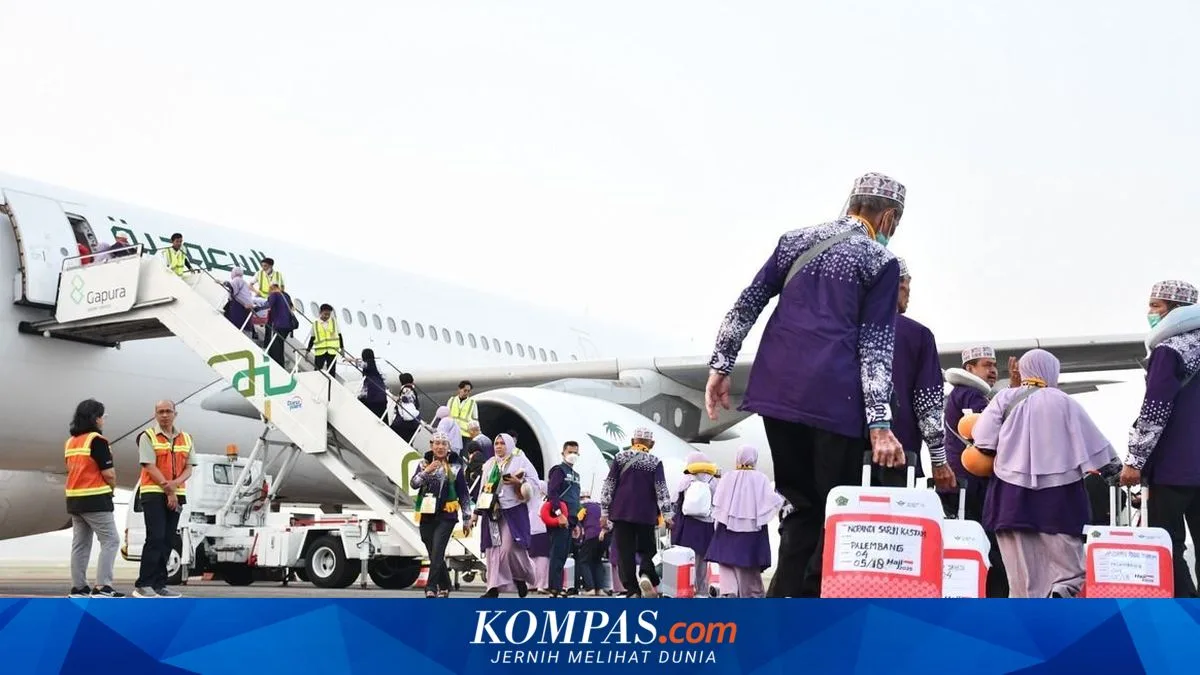
The Minister of Hajj and Umrah (Menhaj), Mochamad Irfan Yusuf, has warned prospective pilgrims for 1448 H/2027 CE not to neglect their physical readiness. The warning came following the experience of the previous Hajj season, in which hundreds of prospective pilgrims failed to proceed with their departure due to health problems.
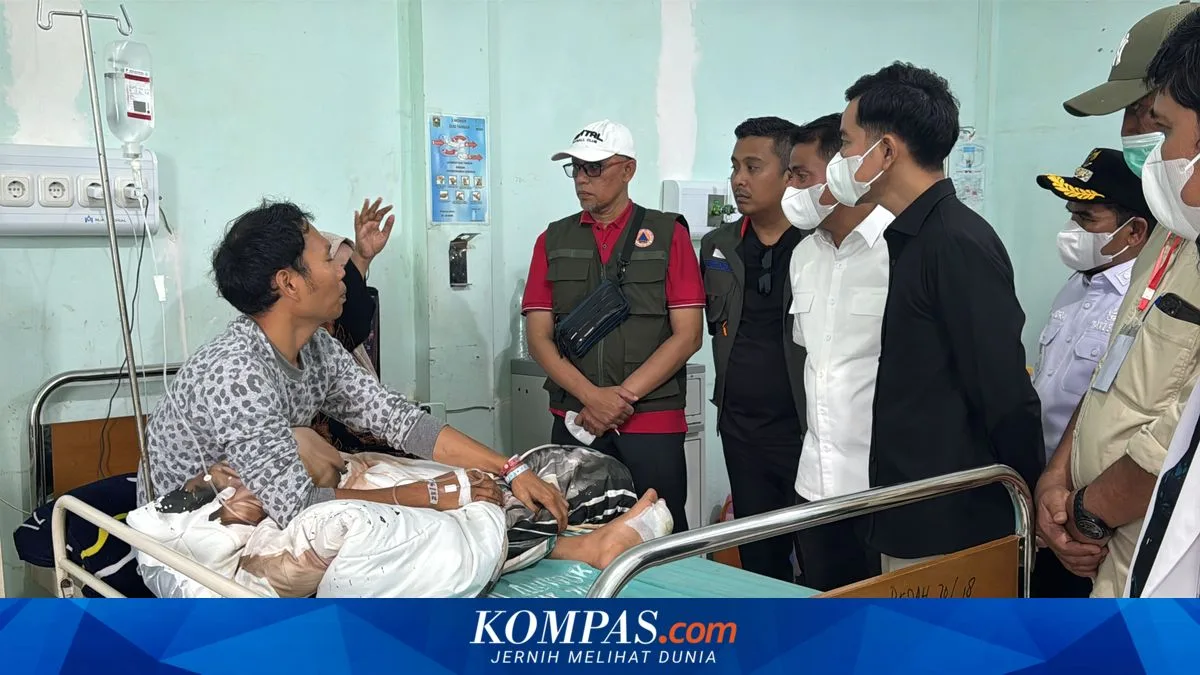
At the opening of the 2026 National Grand Hajj Manasik Kick Off at Wilis Stadium, Madiun City, East Java, on Friday (25/9/2026), Irfan stressed that the Hajj demands prime physical fitness. The dense sequence of rituals, high mobility, and the climate difference between Indonesia and Saudi Arabia are factors that cannot simply be ignored.
"Health is no less important. The Hajj requires prime physical condition," Irfan said, as quoted from his official statement.
He assessed that around six to seven months remain before departure. That window, according to him, is enough to build healthy living habits, especially light exercise such as walking regularly. Physical training from the start is believed to make the body better prepared for the exhausting rhythm of the rituals.
Irfan highlighted that health is one of the main determinants of whether a prospective pilgrim can proceed with the departure process. He said he did not want any pilgrim who had already paid costs, attended guidance, and arrived at the Hajj dormitory to end up going home because their physical condition did not meet medical standards.
He therefore asked that health aspects be strengthened in every part of the manasik. According to him, manasik is not enough as a forum for transferring knowledge about the procedures of worship; it must also build awareness of the importance of fitness and mental resilience.
The Menhaj's statement highlights an issue that often escapes public attention: the Hajj is not merely a spiritual journey, but also a physical test that demands layered preparation. For prospective pilgrims, especially those who are elderly or have a history of degenerative disease, six months of preparation can determine whether they depart or cancel.
From a policy standpoint, this emphasis on health reflects a shift in the approach to organizing the Hajj. The government appears to want to reduce the risk of pilgrims being sent home at critical points, which is not only financially costly but also creates a psychological burden for pilgrims and their families.
For readers in Indonesia, especially those registered as prospective pilgrims or who have family members set to depart, the message is practical: start routine health checks, manage chronic diseases early, and build an exercise habit. Financial and administrative preparation matters, but without a ready body, all of it can be in vain.
Going forward, the question is not only how physically ready pilgrims are, but also how ready the Hajj health service system in the country is to screen and coach prospective pilgrims well in advance. If the 345 send-homes in the previous season are a mirror, then the quality of health coaching before departure deserves to be a shared priority among the government, travel organizers, and the pilgrims themselves.