US Threatens Sanctions on ICC as an Institution, World Warns of International Law's Collapse
Baca dalam 60 detik
- Amerika Serikat berencana menjatuhkan sanksi terhadap ICC sebagai lembaga, bukan hanya hakim dan jaksa, yang dapat melumpuhkan operasional pengadilan.
- Koalisi Hague Group dan sejumlah negara menyerukan perlawanan kolektif untuk mempertahankan independensi peradilan internasional.
- Jika sanksi sekunder diterapkan, bank, perusahaan asuransi, dan pemasok teknologi Eropa yang melayani ICC berisiko terkena dampak.
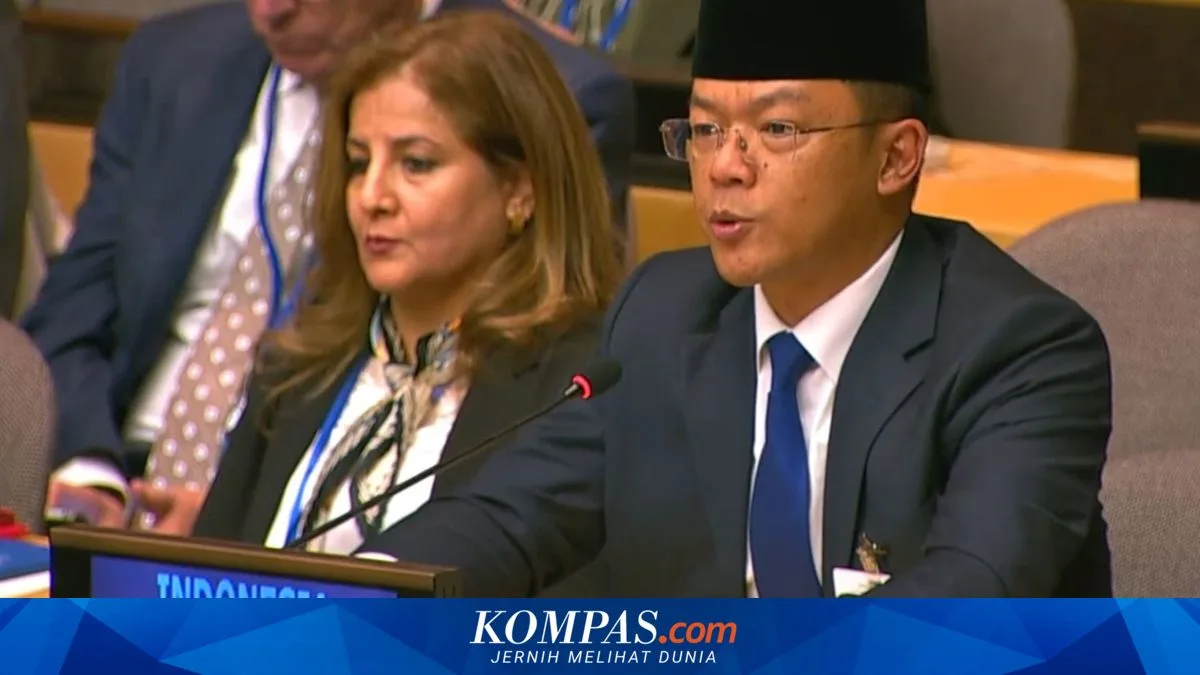
The United States' threat to impose sanctions on the International Criminal Court (ICC) as an institution, not just on its senior judges, is seen as capable of fundamentally crippling the court's operations. The warning was delivered at a meeting at UN Headquarters in New York on Friday (25/9/2026), held to defend the international legal system against various pressures, including Israel's open disregard for the body's rulings.
South African Foreign Minister Ronald Lamola, one of the chairs of the Hague Group, said Washington had already sanctioned a number of ICC judges and prosecutors. Now, he said, the US is preparing to target the institution directly. "If implemented, such a step could fundamentally disrupt its operations," Lamola said. "A court remains independent only if its judges and officials cannot be punished for carrying out its mandate."
The Hague Group, formed in 2025, comprises a number of countries with a mission to protect international law and push for the enforcement of the rulings of its two main bodies: the ICC and the International Court of Justice (ICJ). The meeting on the sidelines of the UN General Assembly became a stage for countries to voice concerns over the weakening of the global rule of law.
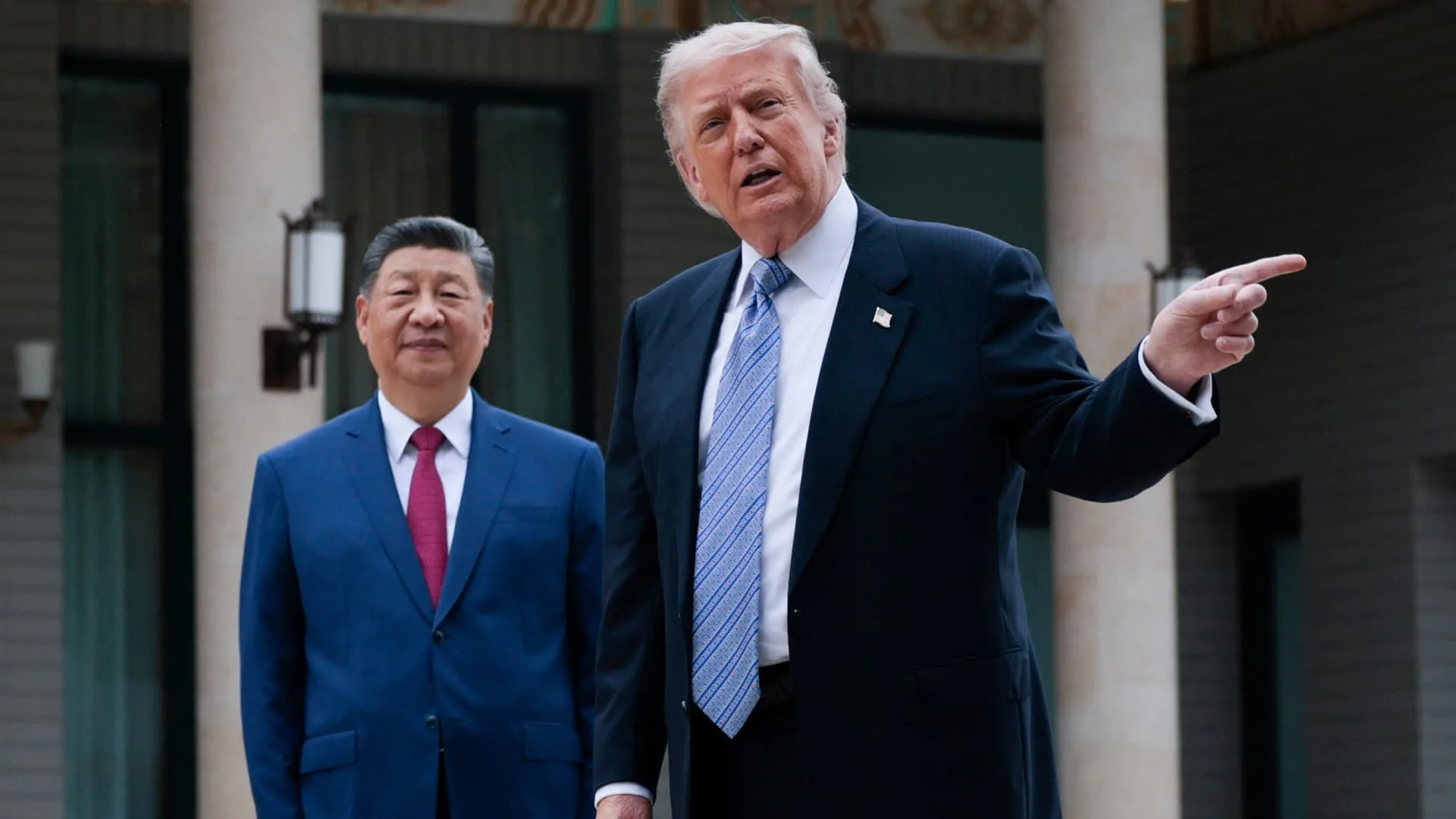
US President Donald Trump, in his speech at the UN General Assembly, again attacked the ICC as a court that is "out of control" and urged other countries to reject it. Secretary of State Marco Rubio even called the ICC "a corrupt and highly politicized supranational court that has abused its authority and exceeded its mandate." He stressed that Washington would not tolerate "attacks on national sovereignty."
The US's next step is expected to involve secondary sanctions on anyone cooperating with the ICC, rather than targeting only senior judges. Designating the entire institution as a target would affect every bank, insurance company, and European technology supplier serving the court based in The Hague, the Netherlands. The Netherlands, as the host country, has taken the initiative to warn the US against effectively crippling the ICC.
"International law only works if it applies to everyone, or not at all. This court was founded to protect us from impunity, built on the foundations of the Nuremberg and Tokyo tribunals. Now, with the ICC under attack, the writing is on the wall," said Dutch Prime Minister Rob Jetten.
Jetten added that opposing the prosecution of the most heinous crimes makes no sense. "The only answer is: don't touch the ICC and other institutions that protect the international legal order," he said.
International law expert William Schabas highlighted the irony behind the situation: the use of international law and courts is rising sharply, yet the institutions themselves are under attack. He stressed the need for countries to strengthen the ICC, among other things by ensuring positions are not for sale and that only judges of the highest quality are elected.
Prominent Palestinian lawyer Diana Buttu highlighted the selective attitude of Western powers in applying international law. "The greatest threat to international law is not a state that openly defies it," she said. "The greatest threat is our selectivity—quiet decisions in capitals and closed rooms that the rules do not bind everyone, only some. The belief that we can forgive some because they are our allies, partners, and friends."
For Indonesia, this development is a test of the consistency of its free and active foreign policy. As a country that supports dispute resolution through multilateral channels, Indonesia has a direct interest in keeping the ICC independent and not crippled by unilateral pressure. Weakening the ICC could also weaken other international legal mechanisms that have long been important instruments for developing countries in pursuing justice, including in territorial disputes and grave human rights violations. If US sanctions are indeed imposed, Indonesia together with ASEAN countries needs to consider a joint position to preserve an equitable global legal architecture.
Going forward, the question is no longer whether the US will continue its pressure, but how far other countries are willing to bear the political cost of defending the ICC. Without solid collective resistance, the precedent of sanctions against an international judicial body could become a new weapon for great powers to subdue multilateral mechanisms to suit their own interests.