PSI Criticizes DPR Inconsistency: Separating Legislative and Presidential Elections Seen as Unfinished Policy
Baca dalam 60 detik
- PSI menyoroti inkonsistensi DPR dalam pembahasan RUU Pemilu yang kembali memunculkan wacana pemisahan pileg dan pilpres.
- Usulan pemisahan datang dari Golkar dengan alasan fokus pemilih, legitimasi pilpres, dan beban penyelenggara; PKS dan PDIP memberi respons beragam.
- Jika tak dikelola, perdebatan ini berpotensi menunda kepastian jadwal Pemilu 2029 dan mengganggu stabilitas politik serta iklim investasi.
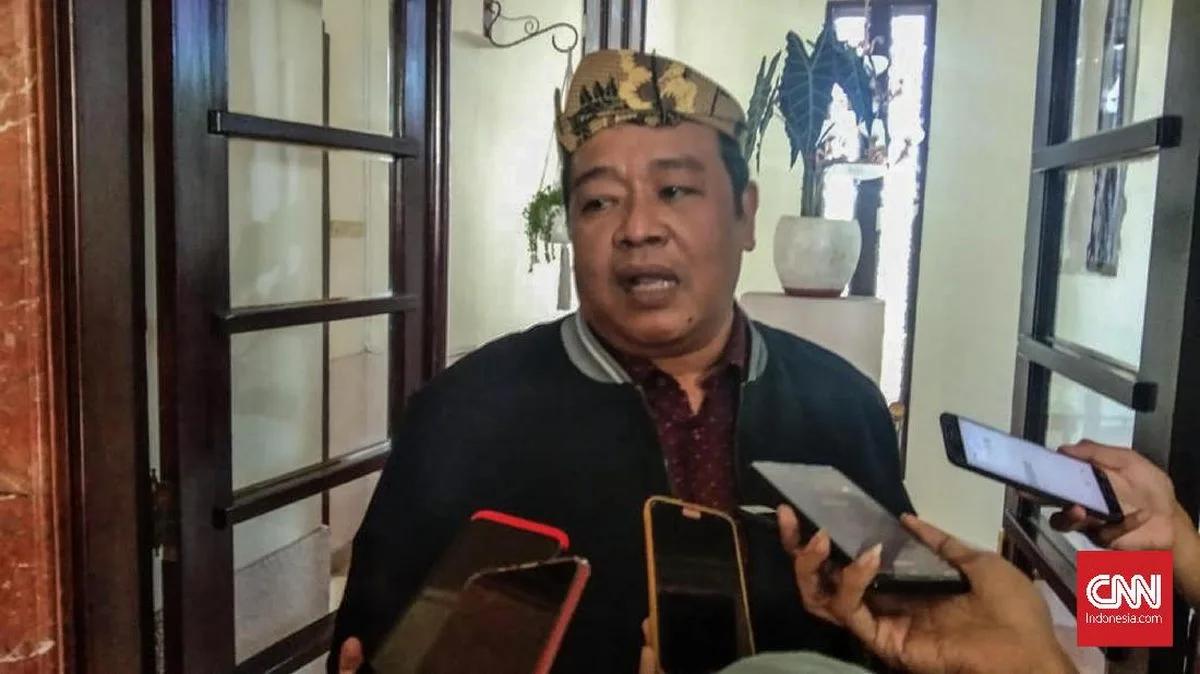
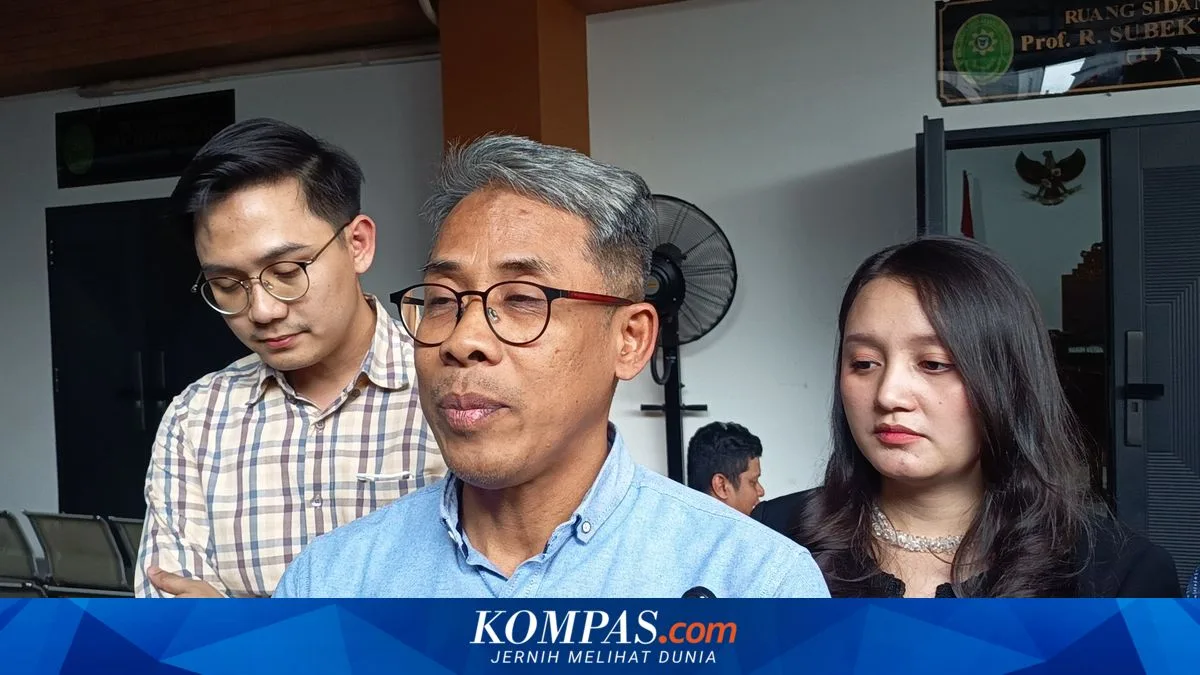
The Indonesian Solidarity Party (PSI) says the renewed talk of separating legislative and presidential elections in the deliberations on the Election Bill reflects inconsistency on the part of the legislature. Bestari Barus, head of the political division at PSI's central board, said his party is waiting for the right moment to respond, but highlighted a policy pattern that repeats every election cycle.
"Our response concerns the inconsistency of this law-making body," Bestari said when contacted on Friday (25/9). He questioned why election matters never seem to be settled, even when today's policymakers are the same people who were involved in drafting the previous rules.
Bestari highlighted the habit of amending laws ahead of elections under the pretext of improvement. According to him, this pattern creates uncertainty over the rules of the game and erodes public trust in the democratic process. "Every election period has to use the pretext of perfecting that law," he said.
The separation proposal was first raised by Ahmad Doli Kurnia on Tuesday (22/9). He argued that holding three types of elections simultaneously—legislative, presidential, and regional—makes the public lose focus because there is too much campaign material and too many figures to scrutinize. Doli also said the presidential election loses legitimacy when the nomination requirement still refers to legislative vote results from five years earlier, a gap that opens the door to parties changing their stance on the candidates they back.
The split is also seen as a way to reduce the burden on election organizers, who have handled overlapping stages within a single cycle. But the idea is not necessarily smooth sailing. PKS and PDIP have voiced support, yet PDIP added an important caveat: legislative election results must not determine the ticket for nominating a pair in the presidential election. That position shows the discussion has yet to reach substantial agreement, especially on the nomination mechanism and the threshold.
"From the start, we proposed that the three types of elections we have—legislative, presidential, and regional—should be held separately, with none combined," Doli said in his statement.
From an election perspective, the discourse touches three crucial issues: the design of the election system, the quality of representation, and budget efficiency. Separating legislative and presidential elections could strengthen presidential accountability because it would no longer be tied to legislative results, but it risks increasing party fragmentation and political costs. Conversely, simultaneous elections are seen as cheaper and simpler, though they are often criticized for making the presidential race the main magnet that overshadows legislative contests.
For Indonesia, uncertainty over election rules has a direct impact on businesses and the public. Market players need certainty on schedules and the regulatory framework to plan long-term investment. Political parties also need enough time to consolidate and prepare cadres and strategies. If deliberations on the Election Bill drag on, the 2029 election schedule could slip and trigger new polemics amid the economic recovery agenda.
PSI itself has not taken a final stance. Bestari stressed his party will not hand out responses freely and will choose the right moment to convey its official position. Still, he reminded lawmakers that they should produce a complete policy legacy, not merely revise the rules every five years. The criticism strikes at the core issue: can the House craft an election framework that is stable and accepted by all sides, or will it once again get trapped in an exhausting cycle of revisions?
Going forward, the public will be watching whether the idea of separating legislative and presidential elections makes it into the official draft of the Election Bill or merely evaporates after serving as political debate fodder. What is clear is that without consistency and a long-term vision, election reform will only be a short-lived project that delays the resolution of fundamental problems.