Indonesia Reaffirms US$1.2 Million Commitment to UNRWA at UN Forum
Baca dalam 60 detik
- Menlu Sugiono menyatakan Indonesia akan melanjutkan kontribusi tahunan US$1,2 juta kepada UNRWA pada forum tingkat menteri di PBB, New York.
- Indonesia mendesak negara lain tidak hanya mempertahankan tetapi meningkatkan dukungan, serta menolak segala upaya delegitimasi terhadap badan PBB tersebut.
- Isu pendudukan fasilitas UNRWA di Yerusalem Timur menjadi sorotan sebagai pelanggaran hukum internasional yang menghambat operasional kemanusiaan.
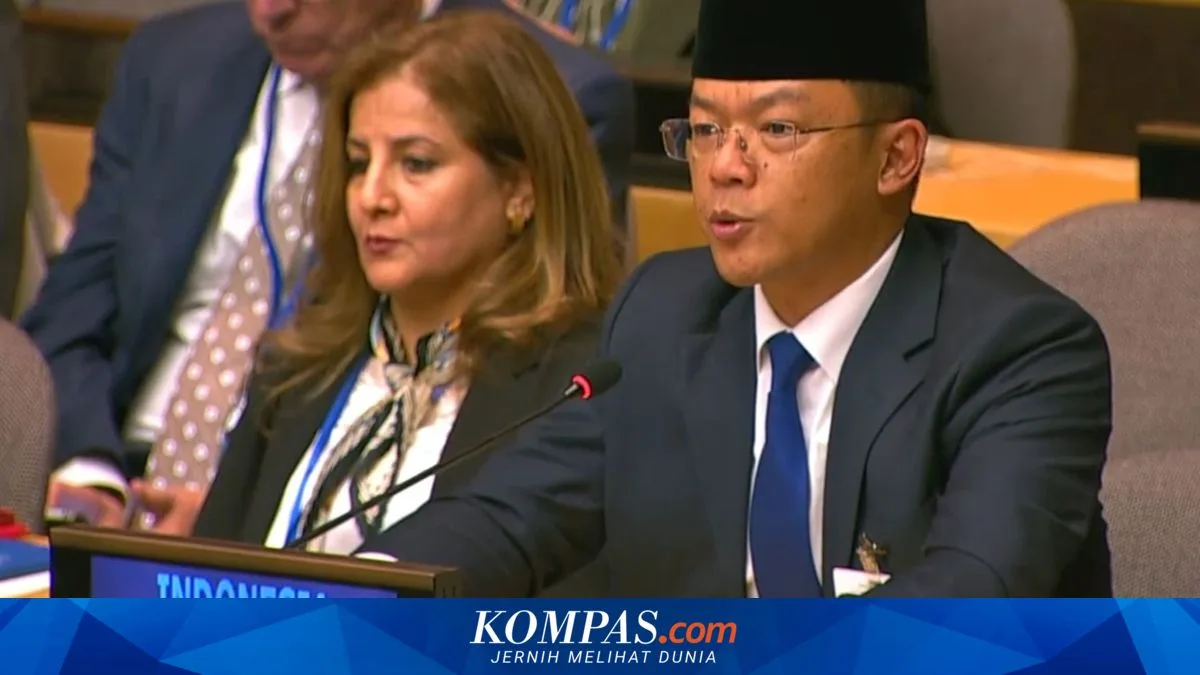
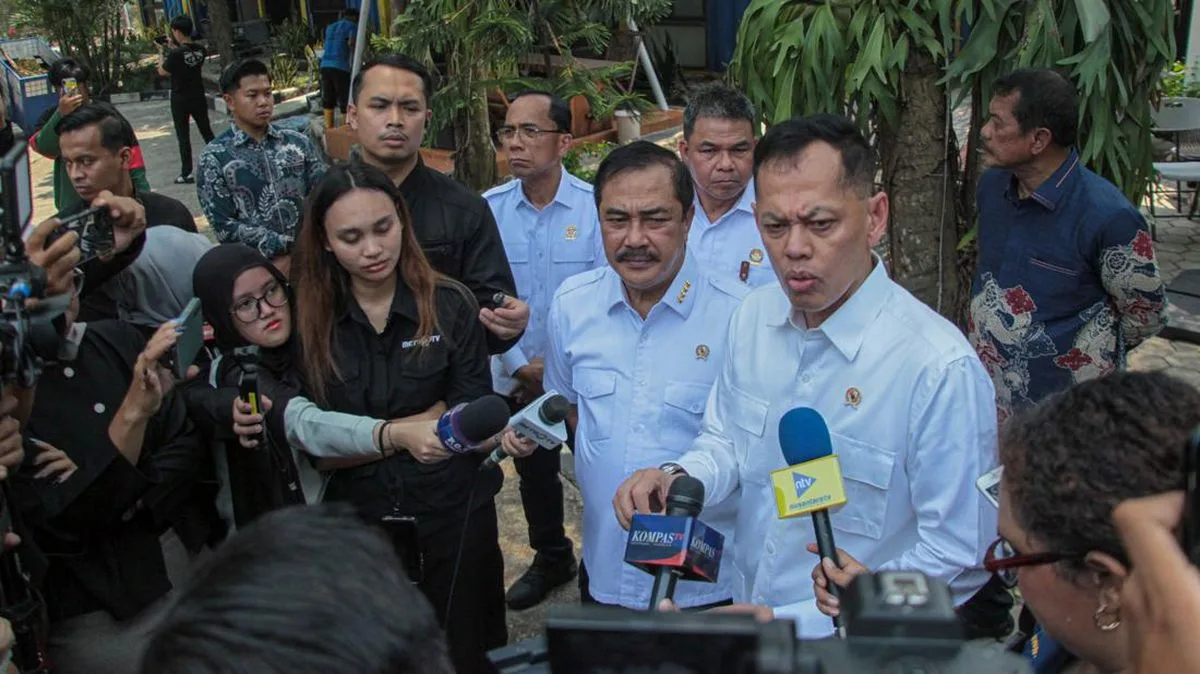
Foreign Minister Sugiono affirmed that Indonesia will continue its annual contribution of 1.2 million US dollars to the United Nations Relief and Works Agency for Palestine Refugees (UNRWA). The commitment was conveyed at a ministerial-level forum held at UN Headquarters in New York on Thursday (24/9/2026) local time.
At the forum, Sugiono did not speak only about the figure. He called on UNRWA partner countries to go beyond merely continuing their contributions and to increase their share of support. According to him, UNRWA's mandate must be fully respected, especially as the agency faces political pressure and disinformation campaigns that could erode its credibility.
"Indonesia's commitment remains firm and consistent. This year we will continue our annual contribution of 1.2 million US dollars to UNRWA," Sugiono said at the forum.
The statement came amid an increasingly difficult situation for UNRWA. Beyond the often uncertain funding, the agency faces the occupation of its facilities in East Jerusalem. Sugiono assessed that the move hampers operational work and violates international law, since UN property should enjoy immunity.
For Indonesia, this step is not merely a routine of multilateral diplomacy. The contribution to UNRWA is part of an independent and active foreign policy that consistently supports the Palestinian cause. However, amid global fiscal pressure and rising domestic needs, the decision to maintain overseas aid allocations always sparks debate. The government appears to want to affirm that humanitarian solidarity remains a priority, while strengthening Indonesia's position as a country that contributes concretely on the UN stage.
From a diplomatic standpoint, Sugiono's call to other countries implies concern that international support for UNRWA is beginning to wane. Several donor countries had previously suspended funding over unproven allegations. Restoring trust is crucial so that UNRWA can continue serving millions of Palestinian refugees who depend on its education, health, and food assistance.
International relations observers assess that Indonesia's stance also serves as a political signal. By being one of the few countries to openly challenge the narrative weakening UNRWA, Indonesia strengthens the agency's legitimacy in the eyes of Global South countries. This step is in line with Indonesia's long-standing position of rejecting the normalization of occupation and demanding a two-state solution.
Going forward, the question is not only whether Indonesia will keep disbursing funds, but how far other countries will follow suit. If the funding trend does not improve, UNRWA risks reducing services at a time when refugee needs are actually rising. Indonesia appears to want to ensure that solidarity does not stop at rhetoric, but is realized in concrete and sustained support.